

CENTRAL AFRICA : CREDITINFO, the first Credit Information Bureau in the CEMAC zone, officially begins operations

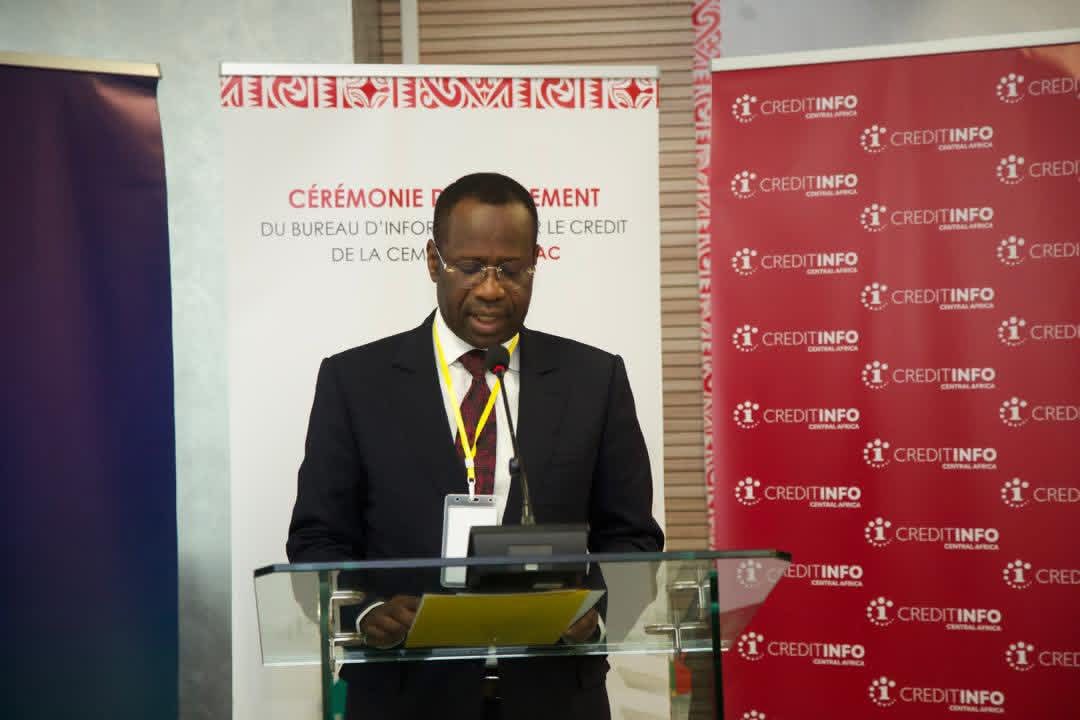
(LVDE) — In Douala on January 20, 2026, the official launch of Creditinfo Central Africa marked a historic milestone for finance in Central Africa. Designated as the first Credit Information Bureau (CIB) of CEMAC, the operator paves the way for a profound transformation in access to finance, built on transparency and trust.
In the refined setting of a major hotel in the economic capital, the atmosphere was both solemn and hopeful. Gathered around officials from the Bank of Central African States (BEAC), representatives of the International Finance Corporation (IFC), banking executives and microfinance stakeholders, one conviction prevailed: the regional financial ecosystem is entering a new era. With the official start of operations of Creditinfo Central Africa (CICA), approved in November 2025 by the BEAC, CEMAC now finally has a long-awaited structuring tool.
A Credit Information Bureau is more than a technical mechanism. It represents a concrete response to one of the main obstacles to financing in the sub-region: the lack of reliable information on borrowers’ creditworthiness. By centralizing credit histories, analyzing financial behavior and producing credit reports, CICA will enable banks and financial institutions to better assess risk. For households and SMEs, often penalized by the lack of collateral, this system could become a decisive lever for easier access to appropriate financing.
The project is part of a process initiated in 2014, following recommendations from the 2013 Libreville conference on financing CEMAC economies. Monetary authorities had identified information asymmetry as a major constraint to private sector development. Since then, extensive work has been carried out: drafting a regulatory framework, defining operating standards, establishing supervision mechanisms, and finally selecting and licensing a first operator.
For the BEAC and the Central African Banking Commission (COBAC), the stakes are twofold. The goal is to improve the quality of financial institutions’ loan portfolios by reducing non-performing loans, while also encouraging a gradual reduction in the cost of credit through better risk assessment. The regulations governing CIBs also emphasize consumer protection, with clear principles on consent, confidentiality and data security. Banks, microfinance institutions and other data providers are now required to share their information with licensed CIBs and to consult credit reports before granting any new loan.
As the first licensed operator, Creditinfo Central Africa is not intended to hold a monopoly. Authorities present its market entry as a pilot phase designed to test the system and prepare for the gradual opening to other players. Supported by IFC expertise and a strengthened cooperation framework with the BEAC, CICA now stands at the heart of a reform aimed at making CEMAC’s financial system more transparent, more inclusive and more attractive to investors. A quiet revolution whose effects could, in time, reshape the credit landscape in Central Africa.
Tressy Chouente


 Esther Grâce
 La voix des entreprises