

CEMAC ZONE : The BEAC reassures that no devaluation of the CFA franc is on the agenda

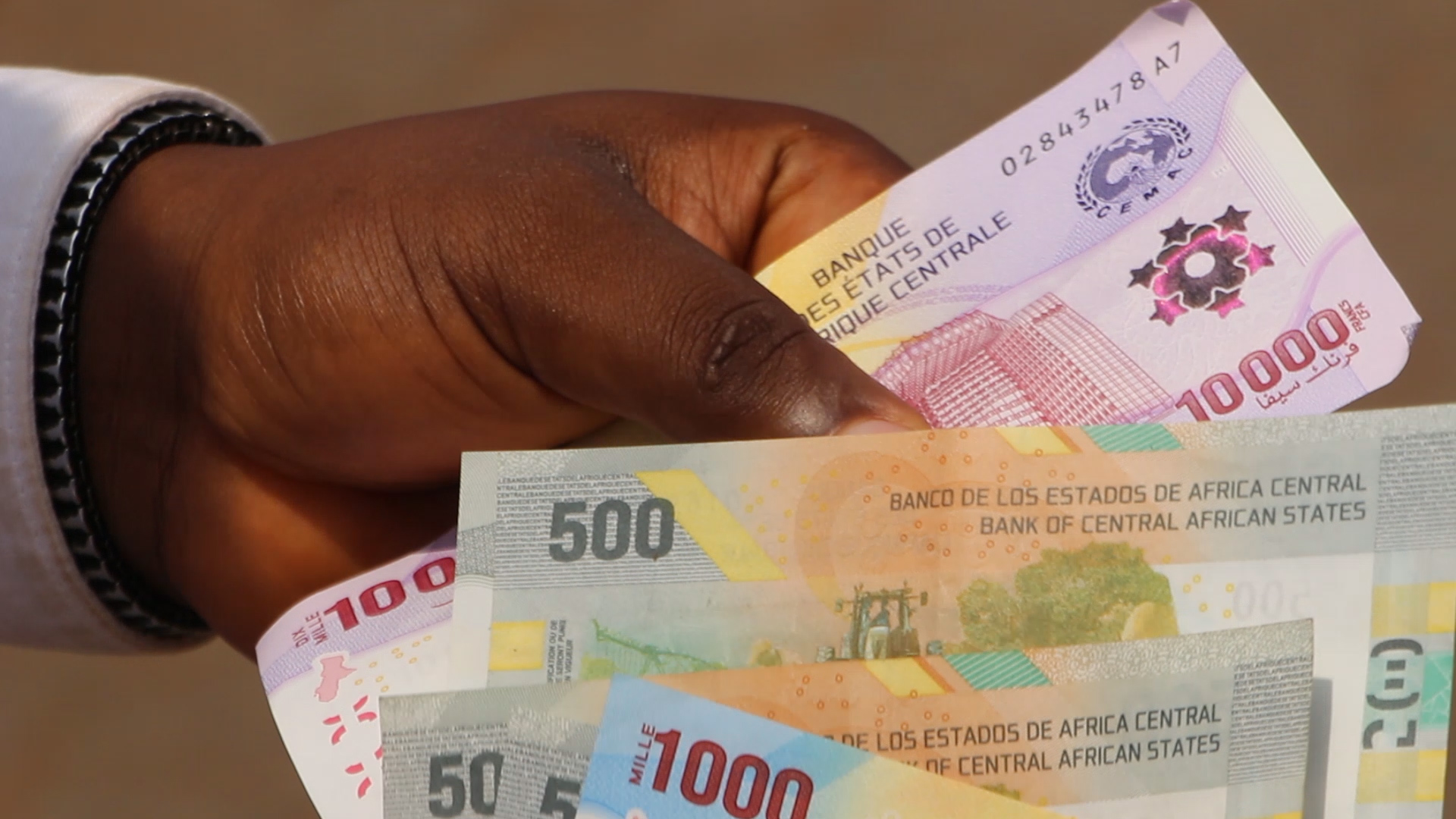
(LVDE) — After several days of viral speculation predicting an imminent devaluation of the CFA franc, the Bank of Central African States (BEAC) has broken its silence and is seeking to reassure public opinion. Backed by an official statement, macroeconomic data and regional projections, the monetary authority is methodically dismantling a rumor that has fueled uncertainty across the six CEMAC member states.
On mobile phones and in street conversations alike, the same claim had been circulating insistently: that a devaluation of the CFA franc would be decided at an extraordinary summit of heads of state scheduled for January 22 in Brazzaville. Widely relayed on social media, the news triggered concern and confusion, reviving memories of the 1994 monetary shock.
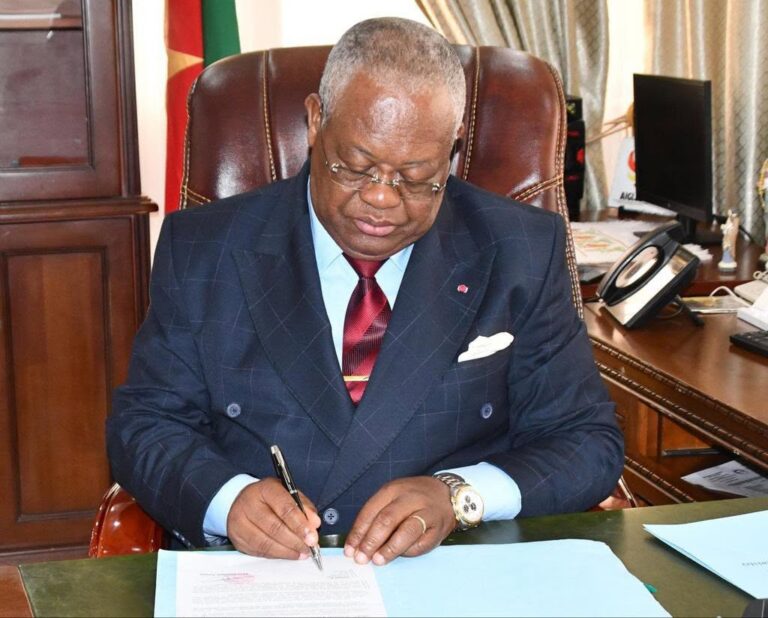
Faced with the scale of the rumor, BEAC chose to speak out. On January 16, 2026, its Governor, Yvon Sana Bangui, publicly rejected any hypothesis of devaluation, stating firmly that no such decision was under consideration. The clear message was intended to put an end to alarmist interpretations and restore confidence.
At the institution’s headquarters, the tone is reassuring yet realistic. Yes, the regional economic environment is more challenging. Yes, growth is slowing. But according to BEAC, the fundamentals remain strong enough to rule out any monetary crisis scenario. The latest forecasts place CEMAC growth at around 2.4% in 2025, with a rebound expected to above 3% from 2026, driven by public investment and the gradual diversification of economies.
Another closely watched indicator is inflation. Here again, the central bank remains confident. Projections point to contained levels, below the community threshold of 3%, signaling price stability inconsistent with the conditions that typically lead to devaluation.
Foreign exchange reserves, often at the center of concern, are expected to decline slightly but remain at an acceptable level, with import cover exceeding four months. Above all, BEAC is counting on a gradual recovery in the coming years, supported by improved repatriation of export earnings and tighter oversight of foreign exchange operations.
Implicitly, the central bank also recalls that devaluation is not a trivial decision. The 1994 episode responded to a deep crisis marked by collapsing reserves, negative growth and major macroeconomic imbalances. According to the official assessment, nothing today resembles that situation.
Beyond this denial, BEAC is also sending a message to governments and economic actors: monetary stability is a collective responsibility. Fiscal discipline, compliance with financial regulations and stronger regional cooperation are presented as the true levers for preserving the credibility of the CFA franc and strengthening public confidence.
Tressy Chouente


 La voix des entreprises
 Esther Grâce