

DOUALA PORT AUTHORITY : Transatlantic D launches effective billing for scanning services

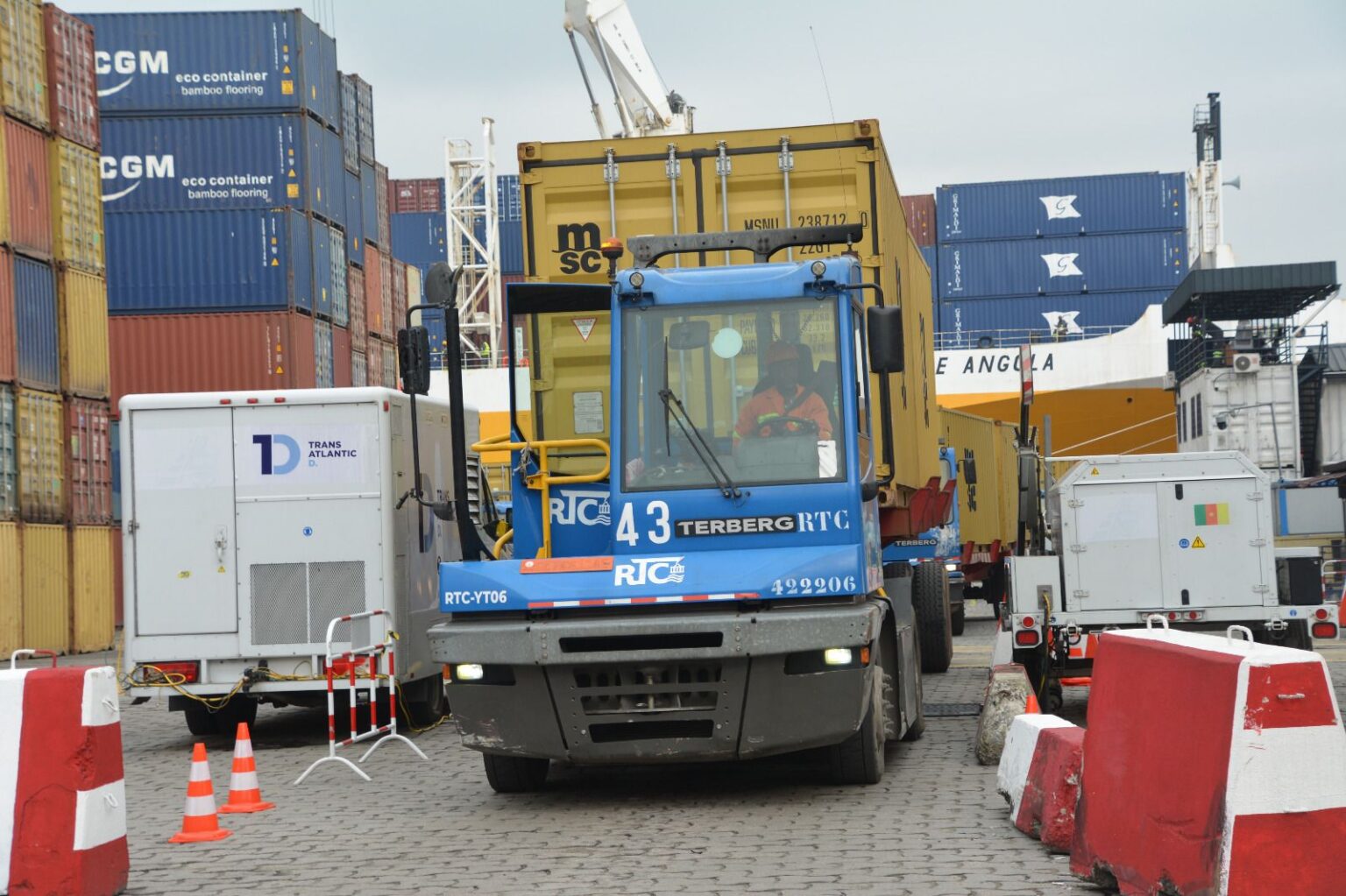
(LVDE) — On January 14, 2026, Transatlantic D, the operator responsible for non-intrusive cargo inspections at the Port of Douala-Bonabéri, officially entered a permanent operational phase. Scanning services, now subject to billing, are part of a system designed to enhance the security, traceability, and efficiency of port operations.
The Port of Douala-Bonabéri has reached a new milestone in modernizing its security procedures with the permanent deployment of cargo scanning, entrusted to Transatlantic D. Following a transitional commissioning period aimed at testing and fine-tuning technical systems while familiarizing port users with the new procedures, the operator officially announced on January 13, 2026, that scanning services would now be billed and fully integrated into the port’s daily operations.
This decision marks the completion of a pilot phase during which the scanning system was gradually implemented, ensuring a controlled ramp-up without disrupting the continuity of port activities. Starting January 14, all cargo entering the port must undergo the scanning process, with billing carried out directly by Transatlantic D according to the established financial and operational procedures.
The complete process includes integrating cargo data, directing shipments to authorized scanning zones, capturing and analyzing images, obtaining regulatory validation from the competent authorities, and issuing the corresponding invoice. Completion of this step is mandatory for the release of goods, in accordance with official communiqué No. 0583/251/DG/PAD of December 26, 2025. Scanning has thus become a prerequisite for all import and export operations.
Transatlantic D emphasizes strict adherence to international standards in carrying out its missions. The company aims to strengthen cargo security, ensure full traceability of merchandise flows, and improve transaction transparency, while minimizing the impact on the smooth flow of port operations. Its teams are fully mobilized to provide assistance, guidance, and information to port users to facilitate the integration of this new operational phase.
The authorities of the Port of Douala stress that this measure is part of a broader strategy to modernize port infrastructure and enhance competitiveness. The effective billing of scanning services represents a turning point in securing trade flows and consolidating the port’s role as a key hub for regional commerce. For companies operating at the port, this reform means increased professionalization, rigorous cargo monitoring, and greater visibility over costs related to customs and port services.
Raphael Mforlem


 La voix des entreprises
 Esther Grâce