

BITUMEN PRODUCTION : All Bitumen Entrusts Construction of Its Kribi Plant to a Consortium of Four European Companies

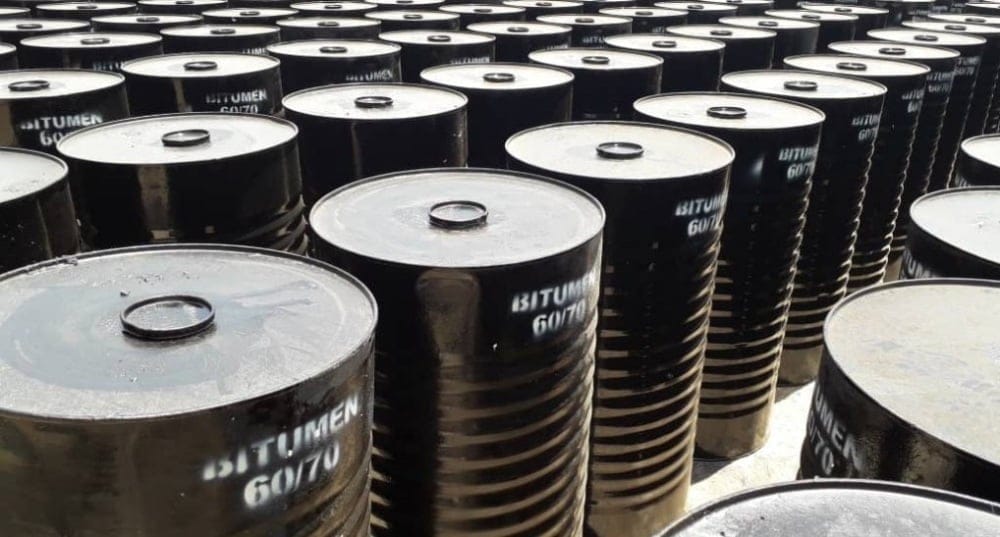
(LVDE) — The bitumen production plant project led by All Bitumen PLC in Kribi is entering a decisive phase. A consortium made up of four European firms has been selected to carry out the remaining technical studies, with the prospect of also being awarded the construction works, against a backdrop of strong government support and high expectations regarding the project’s economic impact.
On the 60-hectare site located in the Kribi industrial-port zone, the groundwork is already in place : vegetation has been cleared and the land is being prepared to host one of the most anticipated industrial projects of the moment. All Bitumen PLC, a Cameroonian-owned company behind this future bitumen production facility, has just taken a key step by entrusting the remaining technical studies to a consortium bringing together Austria’s Pöerner, Turkey’s Yamata, Germany’s EDL, and France’s Parlym. This choice, made over a Chinese consortium that was also in the running, reflects the promoter’s desire to rely on recognized expertise.
According to the company’s Chief Executive Officer, Ahmadou Oumarou, the agreement signed also opens the possibility for the consortium to handle the construction of the plant, provided its financial offer meets analysts’ requirements. At this stage, roles have already been outlined: engineering assigned to Pöerner and EDL, execution of works to Yamata, and construction of pipelines and storage infrastructure to Parlym. A high-level delegation from the European partners visited Cameroon in mid-January and traveled to the site to assess on-the-ground conditions.
The timeline has, however, evolved. Initially expected to begin by the end of 2025, the actual start of construction is now projected for 2026. This preparatory phase benefits from tangible government support. Under the 2026 Finance Law, an allocation of CFAF 2 billion has been made available to the Kribi Port Authority to finance earthworks, confirming the State’s commitment to developing attractive spaces for investors. In addition, tax exemptions on equipment and inputs have been granted—measures welcomed by All Bitumen PLC, which views them as a strong signal of confidence.
Ultimately, the plant is expected to produce 250,000 tonnes of bitumen per year, supported by a mini-refinery with a capacity of 10,000 barrels per day. The investment, estimated at CFAF 161 billion, is expected to generate between 300 and 400 direct jobs and up to 1,500 indirect jobs. Project financing is being structured with the support of Afreximbank, which has been mandated to mobilize the necessary resources once the final cost is determined.
Beyond the figures, the stakes are significant. Experts estimate that this facility could reduce the cost of road construction in Cameroon by around 30%. This prospect explains the State’s decision to take at least a 15% stake in the project and its inclusion in the national strategy to expand the paved road network. In a country often criticized for the high cost of its infrastructure, the All Bitumen plant in Kribi thus appears as a strategic industrial and economic lever, whose next steps will be closely watched.
Raphael Mforlem

 Esther Grâce
 La voix des entreprises