

YAOUNDÉ NORTHERN APPROACH ROAD : Arab Contractors Urged to Maintain Traffic Flow During Construction Works

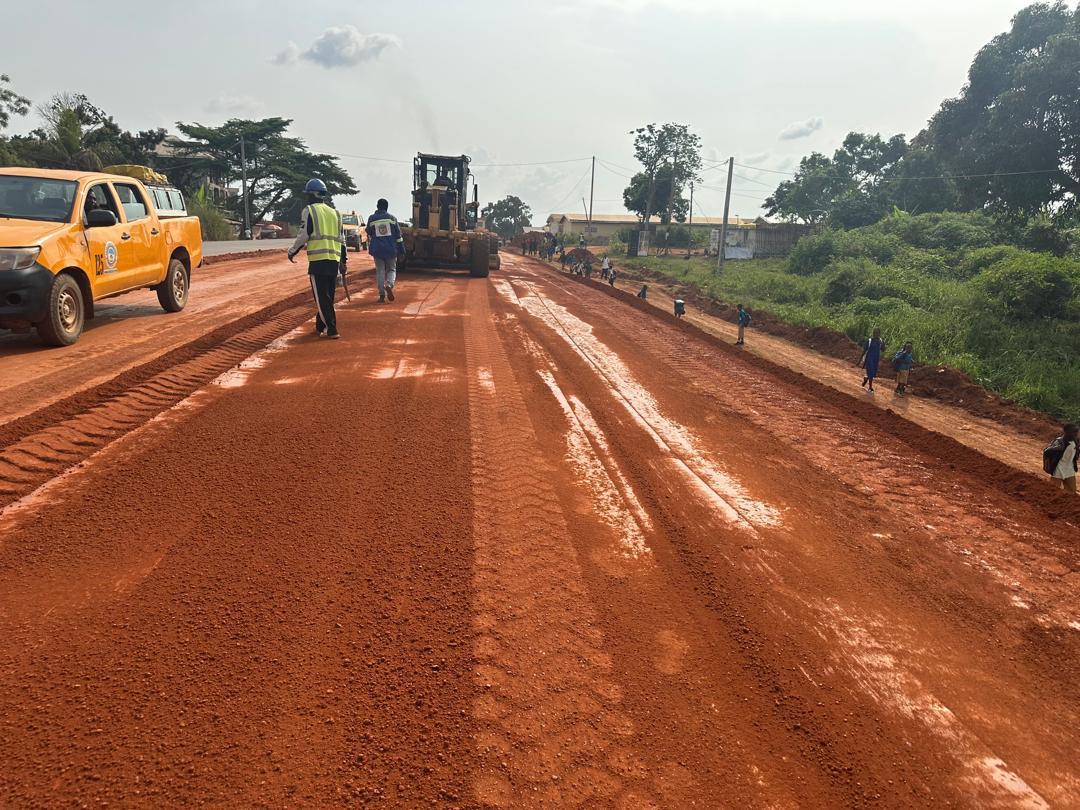
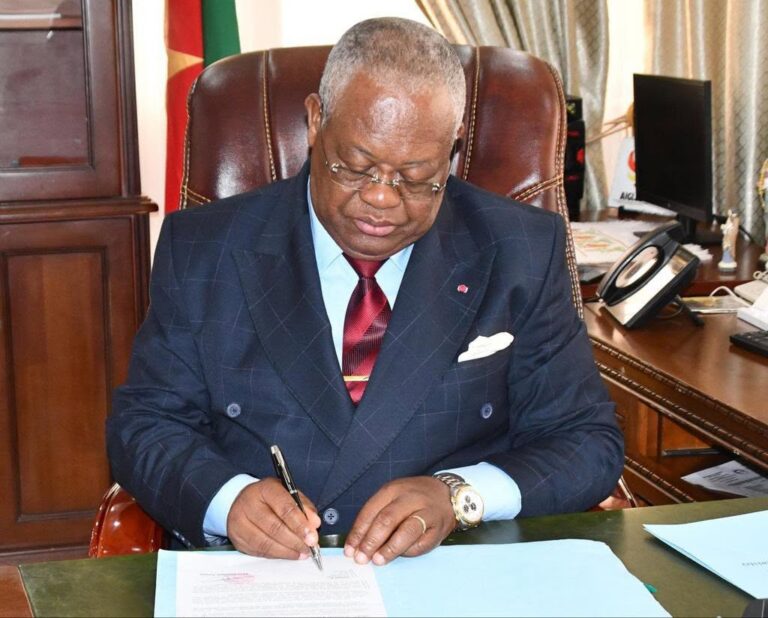
(LVDE) – On December 12, 2025, the Minister of Public Works, Emmanuel Nganou Djoumessi, met with officials of Arab Contractors Cameroon LTD, the project contractor, to stress the need to keep traffic flowing along the Olembé–Obala corridor during construction of the northern approach road to Yaoundé.
During the December 12, 2025 meeting, the Minister of Public Works emphasized the importance of maintaining traffic on the Olembé–Obala axis throughout the execution of works on the northern approach road to Yaoundé. This decision comes at a critical time, as technical and administrative constraints are affecting the pace of project implementation. The purpose of the meeting was to assess the progress of the works, which are essential to ensuring smooth traffic flow in the capital city.
To date, the project’s execution rate increased from 10.4% at the end of 2024 to 25.54% in early December 2025. While these figures are considered encouraging, persistent payment delays continue to hamper the smooth execution of operations. Consequently, the Minister ordered a revision of the implementation schedule and stressed the need to step up efforts to ensure quality service along the entire section.
It is crucial that stakeholders ensure traffic is not suspended, a requirement driven by users’ logistical concerns. This corridor is vital for transportation between several localities, and any closure could have adverse consequences for both motorists and the local economy.
The Minister also clarified that no force-account works would be undertaken as long as the contract with Arab Contractors Cameroon LTD remains in force. He assured that the funds required for compensation are available, pending the issuance of the appropriate decree for their release. This commitment is intended to reassure companies and foster continued progress on the project with confidence.
Despite the cash-flow constraints faced by some companies, the Minister of Public Works urged teams to maintain strong mobilization. He underscored the importance of effective coordination among all stakeholders to ensure both the continuity of traffic and the timely execution of the works.
Thus, the implementation of this project represents a critical challenge for infrastructure development in the region. By meeting deadlines while maintaining access along the Olembé–Obala corridor, the government aims to improve connectivity in Yaoundé and facilitate transportation. The next phases will require vigilance and close collaboration between the authorities and contractors to overcome the remaining challenges while meeting public expectations.
Raphael Mforlem


 La voix des entreprises
 Esther Grâce