

SUGAR PRODUCTION : Wega Food Says Cameroon Has “No Need” to Resort to Imports

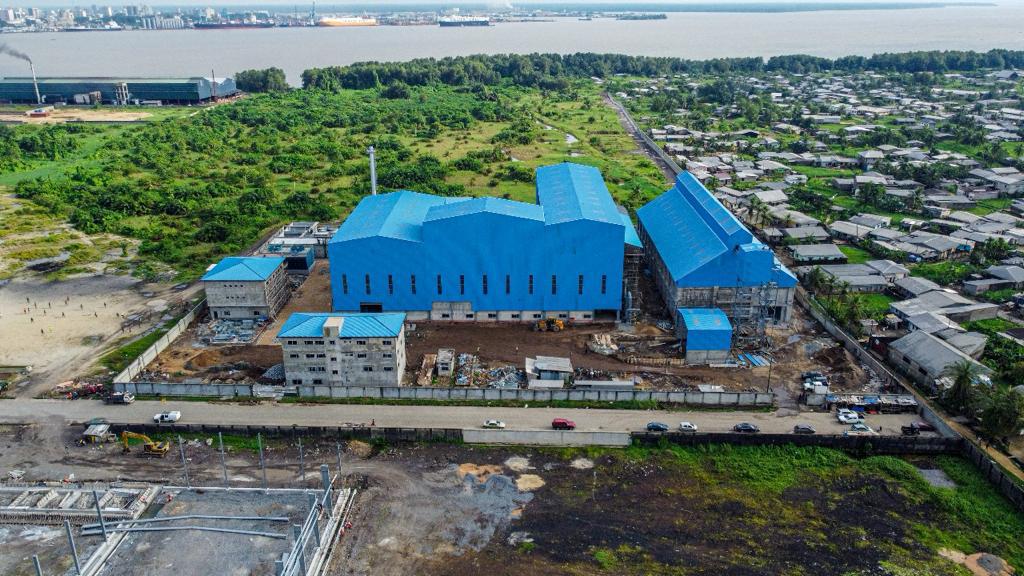
(LVDE) – Wega Food, a major player in Cameroon’s sugar industry, has announced a significant increase in its production capacity, aiming to reach 700 tons of sugar per day within the next three months. The company argues that this expansion will secure national supply and generate surpluses for export.
Wega Food, located in the Douala industrial zone, is preparing for a turning point in Cameroon’s sugar market. Thanks to ongoing investments to boost its production capacity, the company expects to produce 700 tons of white sugar per day within three months. This scale-up aims to ensure the country’s supply while creating surpluses for export. In a letter to the Ministry of Trade dated November 14, Christian Ngandeu, Wega Food’s CEO, stated: “With the imminent expansion of our capacity, Cameroon will even have surpluses, enabling it to become an exporter of refined sugar.”
This statement echoes recent concerns raised by actors in the sector, notably Sosucam, which has urged the government to strengthen controls on sugar imports. Wega Food strongly asserts that Cameroon has “absolutely no need” to import additional refined sugar and believes that the combined capacities of Sosucam and its own refinery can fully meet national demand, both for households and industries.
The company also highlights its key role in stabilizing the market supply. Despite significant constraints, Wega Food has secured several raw sugar supply contracts, ensuring its refinery maintains sufficient volumes to avoid the chronic shortages that previously affected the country. “Without the continued efforts of Wega Food S.A., Cameroon would still be facing a deficit of sugar to refine, as was the case for many years,” the company stated, emphasizing the impact of its model on maintaining affordable prices for consumers and agri-food companies.
👉🏾 Stay informed in real time on our WhatsApp channel
Currently, the combined production capacities of local operators exceed 100,000 tons, including around 70,000 tons from the Douala refinery and 30,000 tons imported to meet the immediate needs of distributors. In a market where annual demand stands at around 300,000 tons, authorities have regularly had to authorize imports to compensate for a structural deficit. It is in this tense context that Wega Food reaffirms its ambition for self-sufficiency—and even export potential.
However, several challenges must still be addressed to turn this ambition into reality. Stabilizing social relations within the company is crucial to securing harvests and processing operations. At the same time, public policy must clarify how to balance the protection of local producers with ensuring supply security for households and industries.
It is at this crossroads—where volumes, price levels, and investments intersect—that the credibility of Cameroon’s sugar sector will be determined beyond a single season. Upcoming decisions will reveal whether the future of the industry will lead to genuine autonomy or continued vulnerability to import fluctuations.
Esther Grace

 Esther Grâce
 La voix des entreprises