

ELECTRICITY SECTOR : The State of Cameroon Acquires Actis’ Shares in Eneo for 78 Billion FCFA

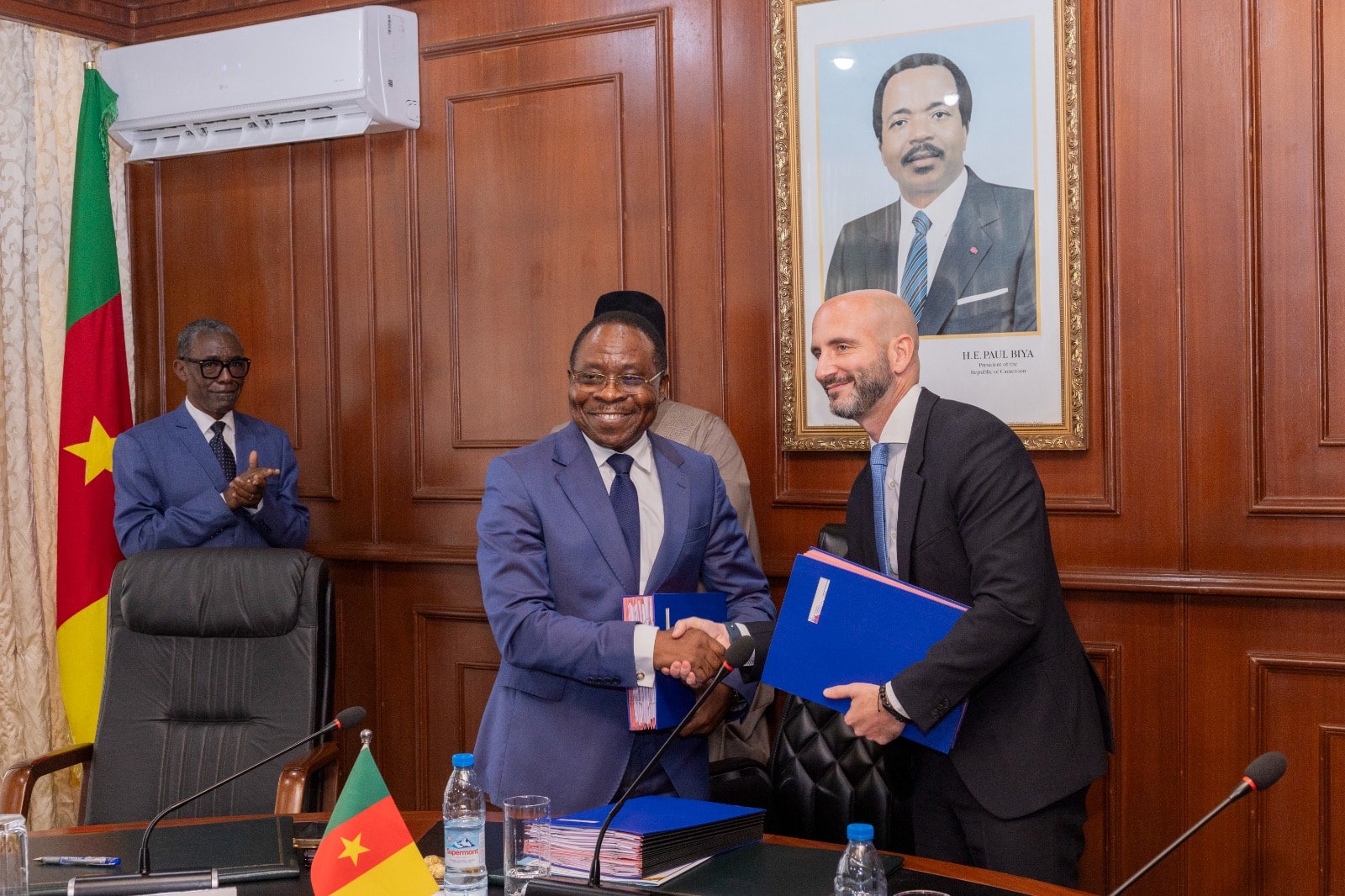
(LVDE) – On November 19, 2025, the Cameroonian government officially completed the acquisition of Actis’ shares in Eneo, marking a decisive turning point for the electricity sector. This 78-billion-FCFA transaction could strengthen public control and revitalize an infrastructure in crisis.
The Cameroonian State has taken a major step in the management of its electricity sector with the signing of an agreement enabling the takeover of the British fund Actis’ shares in Eneo, the country’s electricity distributor. The ceremony, held at the Ministry of Finance, was attended by several officials, including the Minister of Water and Energy, Gaston Eloundou Essomba, and Minister Louis Paul Motaze. The value of the transaction amounts to 78 billion FCFA, according to well-informed sources.
Actis, which joined Eneo’s shareholding in 2014 with a 51% stake, must now validate its exit at an extraordinary board meeting. With this transaction, the State of Cameroon will hold 95% of Eneo’s capital, while the remaining 5% will be allocated to employees. This buyback represents a major shift in the company’s governance, placing control largely in the hands of public authorities.
This decision comes at a time when the electricity sector is facing a significant crisis. According to the Compact Energy Country report, Eneo’s debt stood at 800 billion FCFA at the end of 2024. This amount includes 500 billion owed to suppliers and around 80 billion in uncollected receivables. Two years earlier, the situation was already alarming, with debt reaching 700 billion FCFA, including substantial arrears owed to public companies such as Sonatrel, EDC, and SNH-Tradex. This accumulation of arrears highlights chronic underinvestment, characterized by an aging electricity network and frequent outages.
To overcome this impasse, the government is developing an ambitious recovery plan, with initial actions scheduled between 2025 and 2026. The acquisition of Actis’ shares is only the first phase of a broader process. The authorities plan a comprehensive diagnostic of the operator, a debt restructuring program, and the implementation of a more efficient bill recovery system, particularly for public entities.
The government’s ambitions are clear: restoring balance to the sector by 2028, with goals including the modernization of infrastructure, reduction of technical losses, and a general improvement in financial performance. This takeover of Eneo is not simply a response to the current crisis but represents a strategic step toward stabilizing a key sector essential to ensuring reliable electricity supply in Cameroon.
This buyback by the Cameroonian government reflects a clear commitment to overhaul the electricity sector, establish stronger governance, and, above all, restore confidence among investors and consumers. The challenges remain considerable, but this initiative could well mark the beginning of a new era for Cameroon’s electricity industry.
Esther Grace


 La voix des entreprises
 Esther Grâce