

CAMEROON : Apme strengthens staff capacity on the Secal Project

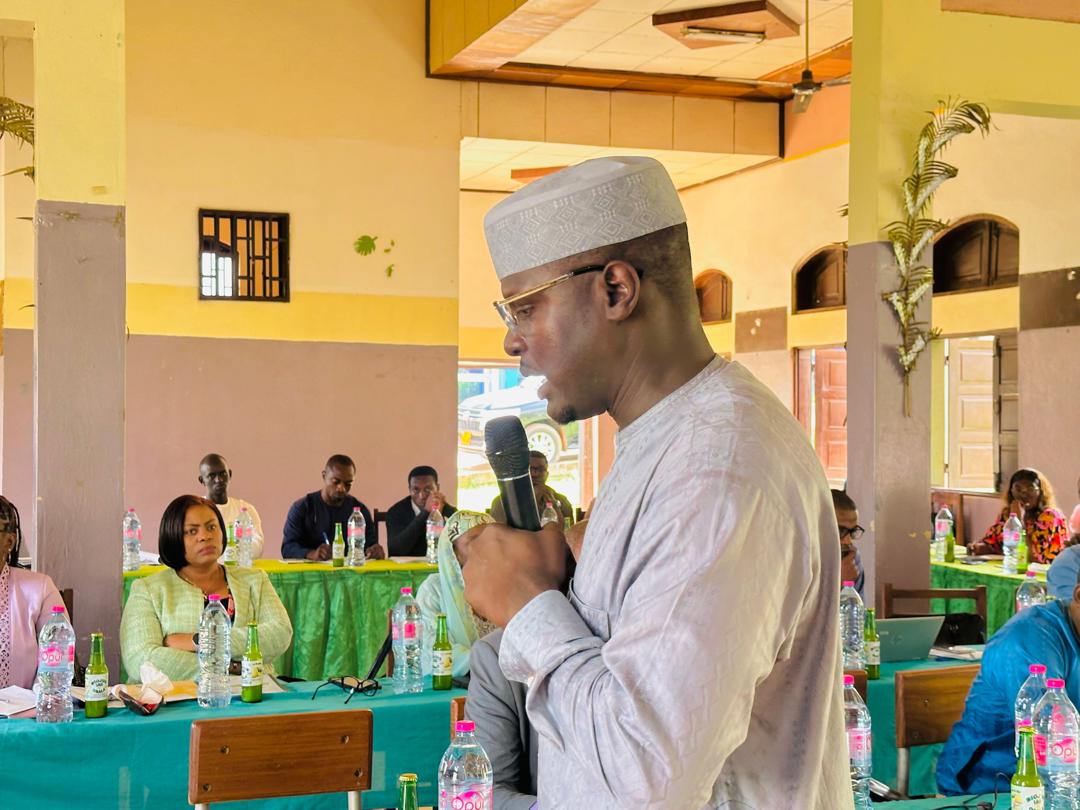
(LVDE) – From November 18 to 20, 2025, the Small and Medium-Sized Enterprises Promotion Agency (Apme) organized a seminar in Obala to train its staff on the implementation of the Secal project. This program, focused on food security, aims to enhance participants’ skills in administering diagnostics and using a Catalogue of Non-Financial Services.
The city of Obala hosted, from November 18 to 20, 2025, a crucial seminar that strengthened the capacity of Apme staff in understanding and appropriating the Support Project for Food Security in Cameroon’s Rural Areas (Secal) and its procedures—an essential step toward improving food security in the country. During the sessions, participants were trained to conduct effective diagnostics, understand underlying challenges, and optimally use the Catalogue of Non-Financial Services.
Supported through a partnership between Cameroon and France, the Secal project is deployed across six key divisions: Mifi, Moungo, Lékié, Fako, Mayo Kani, and Bénoué. Its ambition is to combat food insecurity by innovating approaches for agropastoral communities and young entrepreneurs. Through three complementary programs, the project offers a wide range of tools to develop skills in agroecology and financial education, while facilitating access to financing.
One of its main pillars is the Support Program for the Renovation and Development of Vocational Training (PCP-Afop). Its aim is to train local actors by providing them with the skills needed to design collective projects that promote food security. The program also emphasizes financial education and improved production methods.
👉🏾 Stay informed in real time on our WhatsApp channel
The second program, the Consolidation and Sustainability Program for Agropastoral Advisory Services (PCP-Acefa), is designed to provide technical support to family farms to improve their productivity. Resource management, access to finance, and ecological transition are key components addressed in this program.
Finally, Apme plays a central role in this initiative by offering a range of non-financial services, from business diagnostics to structuring, as well as improving product packaging and certification. This diversification of services is essential to ensuring the sustainability of rural enterprises, which also benefit from awareness on financial education and support in accessing credit.
The Obala seminar also fostered the establishment of synergies among the different programs, making it easier for entrepreneurs to access complementary services. In addition, the Catalogue of Non-Financial Services—an essential tool for the project—was reviewed to ensure that it meets beneficiaries’ needs in terms of training and support.
The methodology adopted, based on workshop-seminars, emphasized knowledge sharing. Participants were trained in the use of diagnostic, monitoring, and evaluation tools, enabling them to collect reliable data and improve service coordination. Jean Marie Louis Badga, Director General of Apme, highlighted that these tools are indispensable for linking national strategy to local action.
Raphael Mforlem

 La voix des entreprises
 Esther Grâce