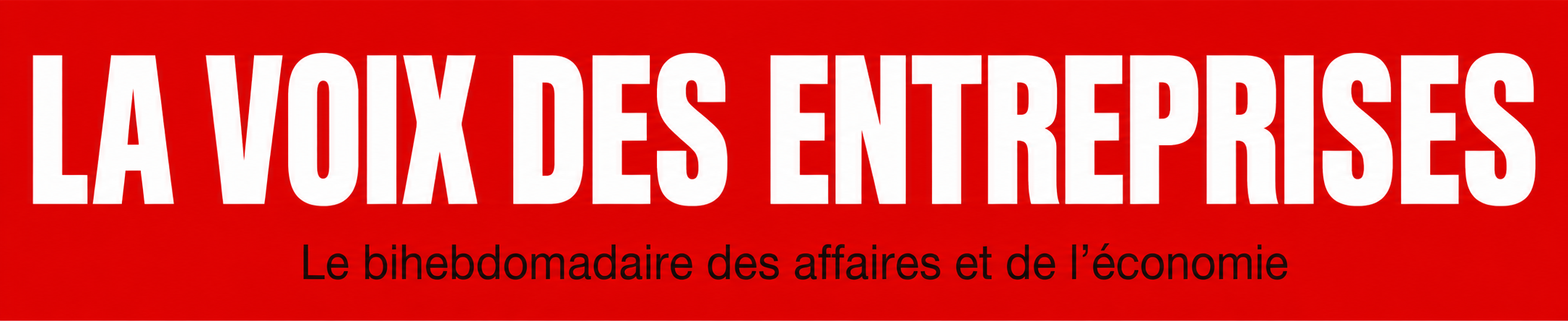


LIQUIDITY OFFER : Beac faces insatiable demand


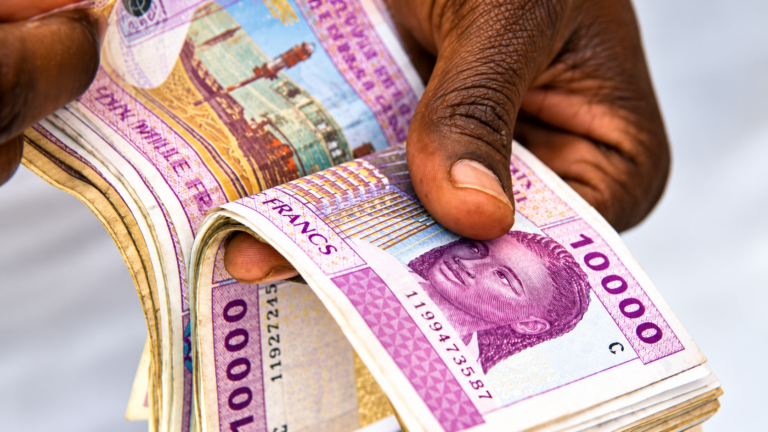
Yvon Sana Bangui, Governor of BEAC
(LVDE) – On October 7, the Bank of Central African States (BEAC) offered a record 700 billion CFA francs in liquidity to CEMAC banks. Yet, even this unprecedented amount failed to meet total demand, which reached 817 billion CFA francs, underscoring the growing strain on the region’s credit market.
On October 7, 2025, a significant event occurred in the banking sector of the Central African Economic and Monetary Community (CEMAC). The Bank of Central African States (BEAC) announced a record-breaking liquidity injection, making 700 billion CFA francs available to financial institutions across the region. However, despite this massive offer, the results revealed a concerning reality : bank demand exceeded expectations, reaching 817 billion CFA francs—a gap that highlights ongoing tensions within the credit market.
This situation reflects the current economic climate in the region, marked by the back-to-school and university season, when financial institutions experience a surge in education-related loans. Commercial banks, facing increased demand, are turning to the BEAC for refinancing. The need for liquidity is particularly high in Cameroon, which alone represents 40% of CEMAC’s banking network, emphasizing the country’s pivotal role in the region’s financial ecosystem.
Since the lowering of the tender interest rate (TIAO) in March 2025, liquidity demand has been on an upward trajectory. This rate—determining the refinancing cost for commercial banks—was gradually adjusted to encourage credit access, marking the end of a period of tight monetary policy when BEAC had raised the TIAO to combat inflation, thereby restricting lending capacity.
CEMAC’s financial institutions are adapting to these changes by increasing their reliance on the BEAC’s refinancing window, hoping such measures will enable them to better meet growing consumer and business financing needs. However, the fact that demand continues to outstrip liquidity supply raises concerns about banks’ ability to sustain economic activity in this dynamic environment.
BEAC, aware of the situation, now faces a delicate balancing act. Although it managed to provide a record amount of liquidity, market realities suggest that further adjustments may be necessary to meet banks’ needs. Analysts argue that this imbalance could require a reassessment of current monetary policies, ensuring that credit institutions have sufficient resources to keep financing the regional economy.
As CEMAC prepares to confront major economic challenges, the issue of liquidity and credit access has become crucial. Market observers are closely monitoring BEAC’s next moves, as the central bank may need to continue its efforts to stabilize the financial system and support economic development in member states. In a context of surging credit demand, it is essential that financial institutions and the central bank strike a balance that sustains growth without jeopardizing economic stability.
The current situation in CEMAC reflects broader challenges facing the region. As banks strive to meet rising demand, BEAC must tread carefully—ensuring adequate liquidity while avoiding inflationary pressures. In this complex landscape, the future of CEMAC’s credit market will depend on the ability of all stakeholders to adapt and innovate in response to the evolving realities of the regional economy.
Tressy Chouente

 Tressy CHOUENTE




 Esther Grâce