

MOZAMBIQUE : Ecobank Transnational Incorporated (ETI) exits by selling subsidiary to FDH Bank Plc

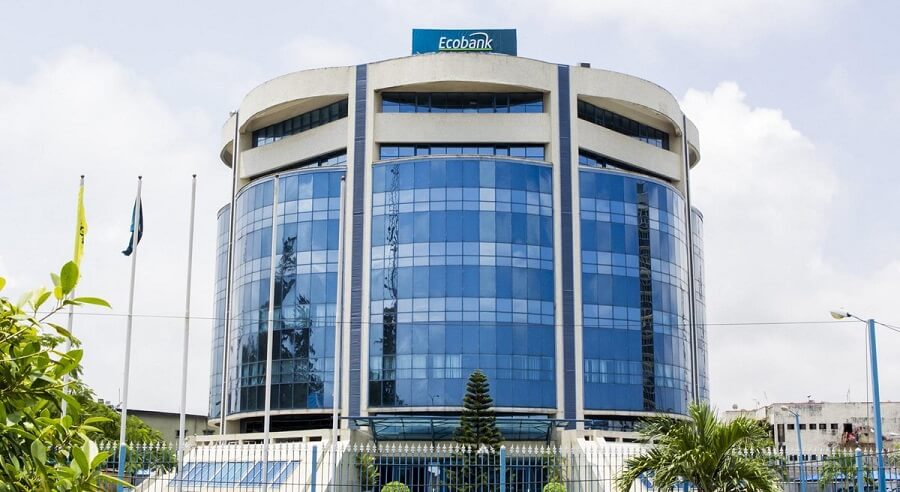
(LVDE) – The sale of 99% of Ecobank’s shares in its subsidiary to FDH Bank Plc marks the bank’s withdrawal from the Mozambican market. The transaction, announced on September 26, 2025, is part of a broader resource rationalization strategy.
Ecobank Transnational Incorporated (ETI) has finalized the sale of its 99% stake in Ecobank Mozambique to FDH Bank Plc, thereby marking its exit from the Mozambican market. The operation, announced on September 26, 2025, aligns with the bank’s strategy to streamline resources.
The banking landscape in Mozambique is undergoing a significant shift following the September 26, 2025 completion of the sale of Ecobank Mozambique (EMZ) by Ecobank Transnational Incorporated (ETI) to FDH Bank Plc, a Malawian financial institution. This transaction, which followed the granting of all necessary regulatory approvals, brings an end to Ecobank’s direct presence in the country.
Although the exact value of the deal was not disclosed, the divestment is part of a broader growth and transformation strategy by Ecobank, which aims to concentrate its efforts on markets where it has a competitive advantage. The initial sale agreement was signed on August 5, 2025, marking a turning point in Ecobank’s approach to its operations in Southern Africa.
Through this acquisition, FDH Bank Plc now takes control of Ecobank Mozambique, an institution established in 2000 under the name Novo Banco SARL before being acquired by ETI in 2014. The new owner, FDH Bank, offers a range of services including digital banking, retail and commercial banking, as well as institutional and treasury solutions. The operation was financed through retained earnings, underscoring the bank’s financial strength and its ambition for expansion.
FDH Bank’s entry into the Mozambican banking market coincides with the country’s efforts to boost financial inclusion and encourage cross-border flows, particularly within the Southern African region. This favorable environment could provide FDH Bank with an opportunity to strengthen its presence and expand its market share in a sector undergoing transformation.
However, Ecobank’s withdrawal does not imply a complete departure from Mozambique. Instead, the group plans to maintain an indirect presence through strategic partnerships with FDH Bank. These collaborations will focus on the development of digital services and cross-border payment solutions. This approach allows Ecobank to continue offering Mozambican clients access to its pan-African ecosystem while repositioning itself in more strategic markets.
This move reflects a broader trend in the African banking sector, where many institutions are optimizing operations in response to diverse economic challenges. The need to adapt to market changes, customer demands, and regional dynamics has become more pressing than ever, making strategic realignments such as Ecobank’s particularly relevant.
Ultimately, the transaction represents both a challenge and an opportunity for FDH Bank, which must now integrate Ecobank Mozambique into its structure while pursuing its growth ambitions. For Ecobank, it is a chance to refocus on key markets in pursuit of its goal of becoming a leading player in the African banking sector. The coming months will therefore be critical in determining how these changes affect not only the two institutions but also the financial landscape of Mozambique and the region.
E.G.

 Tressy CHOUENTE
 Sorelle NINGOUEM