

LIVESTOCK INDUSTRY : Douala set to host an agro-industrial cattle processing complex

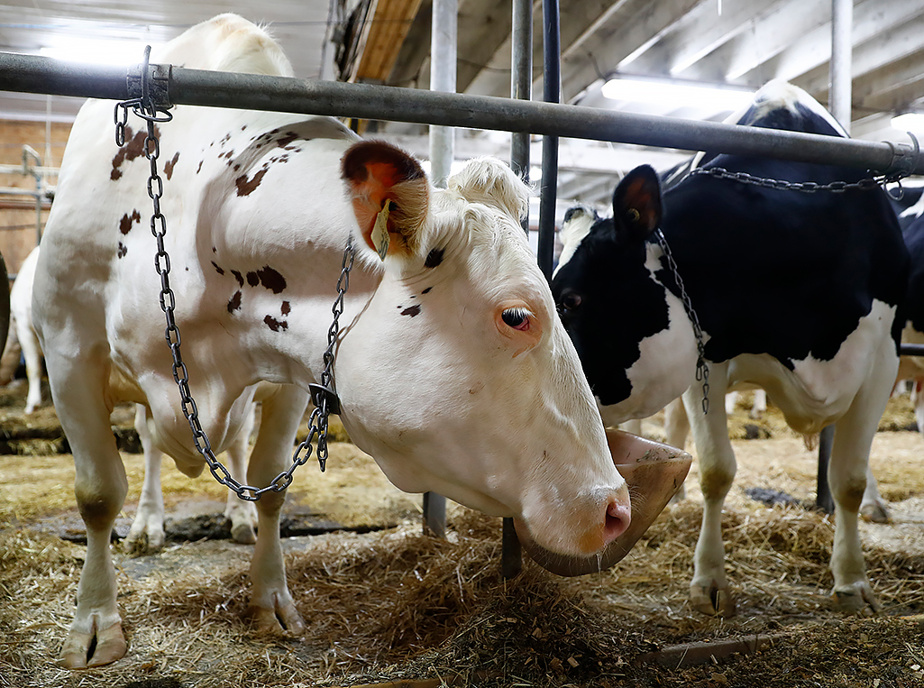
(LVDE) – This ambitious cattle processing project, set to emerge within the next three years in Cameroon’s economic capital, was launched on October 1, 2025. It aims to modernize the sector and address local market challenges.
On October 1, 2025, a major milestone was reached for Cameroon’s agro-industrial sector with the groundbreaking of the cattle processing complex in Douala. Minister of Decentralization and Local Development, Georges Elanga Obam, inaugurated this ambitious project located at PK 17 in the city’s third district. Estimated at CFAF 26.7 billion, the complex marks a significant step in modernizing Cameroon’s cattle industry.
The facility, part of a broader project, will include a slaughtering unit, a processing unit, and a blood treatment unit. It represents the first phase of a larger infrastructure development plan, which also foresees the establishment of a one-stop compliance center, two abattoirs, two cold chains, two meat processing units, and the creation of 500 butcher shops.
In addition, the system will be reinforced with two biogas waste treatment centers, two secured transhumance parks, two livestock markets, ancillary buildings, a training center for young people, and a livestock feed production unit. The project is therefore designed to optimize the cattle value chain while meeting sustainability requirements.
The second phase, requiring an additional investment of about CFAF 165 billion, will involve the construction of seven ranching zones covering 65,000 hectares and an artificial insemination center capable of handling 100,000 cows in Edéa and other partner municipalities. This development is part of an ambitious plan to establish a state-of-the-art regional market for 20,000 heads of cattle in Douala and Edéa, financed by Brazilian group Tace Trading alongside several local and international financial partners.
Spearheaded by the urban communities of Douala and Edéa, the project is being implemented by the Cameroon Cattle Industry Council (Cibovic) on 110 hectares. It is expected to generate over 142,000 direct and indirect jobs, thereby boosting the local economy.
The project comes at a critical moment for Cameroon’s livestock market, currently facing soaring prices and declining national production, estimated at 35,869 tons in 2024. The establishment of a regional livestock market in Douala and Edéa is intended to structure the industry, mitigate recurring shortages, and lower the cost of beef in local markets.
In sum, the agro-industrial cattle processing complex in Douala represents a major leap forward for Cameroon’s livestock industry, with positive implications for the economy and food security. This ambitious project could redefine the country’s agro-industrial landscape and strengthen its food self-sufficiency in the years ahead.
Esther Grace

 Tressy CHOUENTE