

MISSION 300 : Seventeen African nations, including Cameroon, commit to accelerating access to electricity

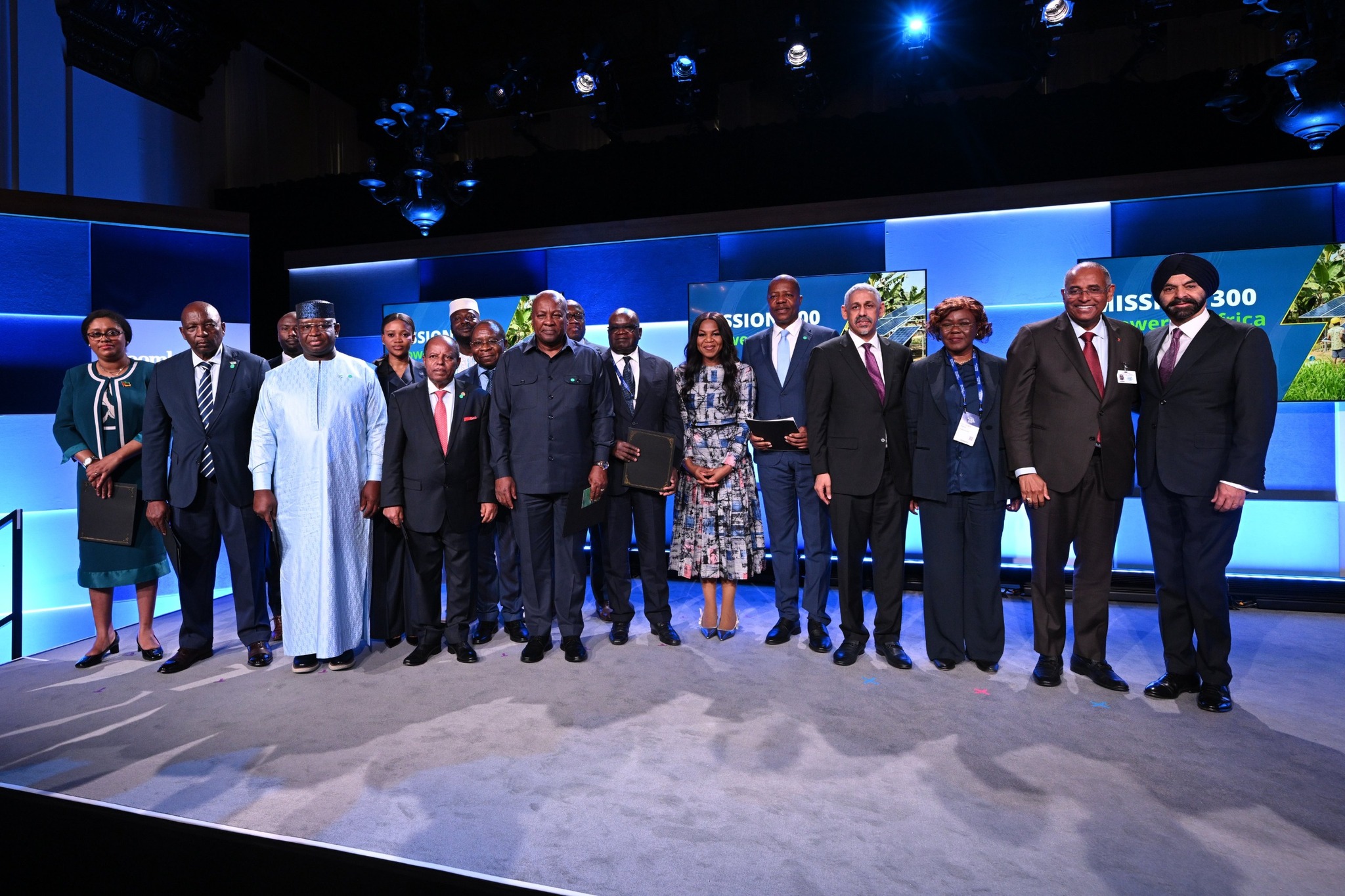
(LVDE) – Gathered at the Bloomberg Philanthropies Global Forum, 17 African nations have launched ambitious initiatives to expand electricity access. Under the framework of “Mission 300,” these countries aim to provide reliable electricity to 300 million people by 2030, with support from the World Bank and the African Development Bank.
On September 26, 2025, a significant step forward was achieved in the pursuit of widespread electrification in Africa. Seventeen countries, including Cameroon, committed to developing ambitious national plans under “Mission 300.” This initiative, jointly launched by the World Bank and the African Development Bank (AfDB), aspires to deliver sustainable and reliable electricity to 300 million people by the end of the decade.
Leaders from countries such as Benin, Botswana, Burundi, and The Gambia convened at the Bloomberg Philanthropies Global Forum to present their “National Energy Compacts.” These strategic documents, developed with the assistance of development partners, aim to transform national energy sectors by attracting private investment and building the necessary infrastructure.
Ajay Banga, President of the World Bank Group, stressed the vital importance of electricity for economic development. “Electricity is the foundation of jobs, opportunities, and growth,” he said, adding that Mission 300 represents a systemic reform aimed at lowering costs, strengthening public power utilities, and mobilizing private investment.
The national compacts, at the core of Mission 300, are built on three fundamental pillars: upgrading infrastructure, securing adequate financing, and implementing sound public policies. These action plans, tailored to each country’s context, focus on removing bottlenecks in the power sector and paving the way for universal electrification.
Since its launch, Mission 300 has already brought electricity to about 30 million people, with more than 100 million others expected to benefit from ongoing projects. Sidi Ould Tah, President of the AfDB, stated: “Access to reliable and affordable energy is crucial to boost entrepreneurship, digitalization, agriculture, and industry. It is the key to unlocking the economic potential of Africa’s youth.”
The heads of state present expressed their determination to take concrete action. Commitments vary across countries, ranging from a massive shift to renewable energies, as announced by Cameroon and Kenya, to mobilizing private investments, as planned by São Tomé and Príncipe and Togo. Meanwhile, the Republic of Congo highlighted the electrification of industrial zones.
Cameroon’s President, Paul Biya, declared: “Through our Energy Compact, we are firmly committed to renewable energies, promoting inclusive universal access and sustainable development based on ambitious partnerships and reforms to build a low-carbon future.”
Earlier this year, a first wave of countries, including Nigeria, Côte d’Ivoire, Senegal, and Tanzania, also adopted similar compacts. To date, the 28 participating countries have put forward more than 400 measures, demonstrating a collective will for energy transformation in Africa.
This shift toward sustainable electrification represents not only an opportunity for individual countries but also for the continent as a whole. “Mission 300” could well become the catalyst Africa needs to step out of darkness and embrace an era of prosperity powered by accessible energy for all.
Esther Grace

 Tressy CHOUENTE