

CAMEROON 2025 PRESIDENTIAL ELECTION : GECAM Outlines Its Vision for an Emerging Economy
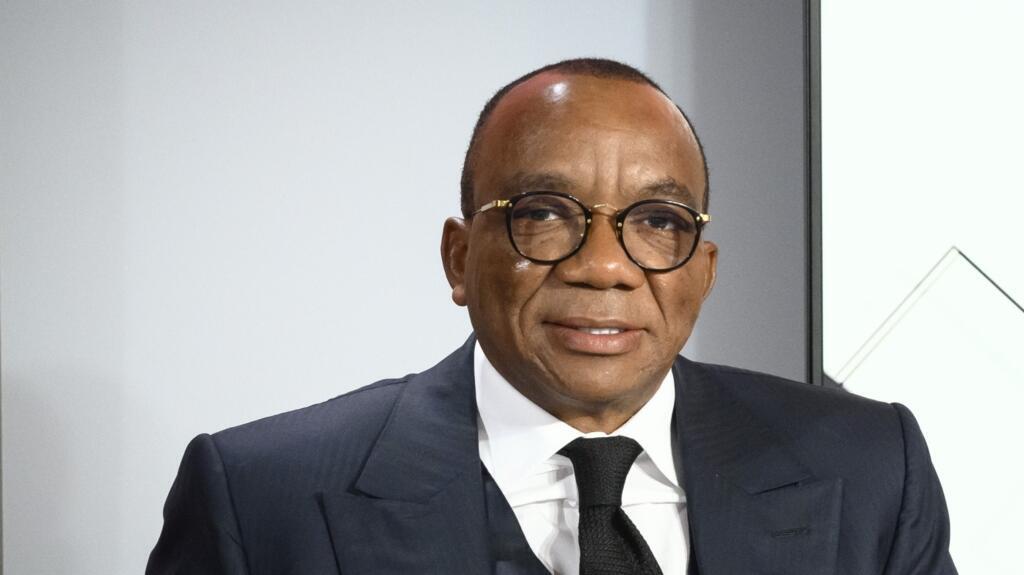
Celestin Tawamba, President of the Cameroon Business Association (GECAM)
(LVDE) – As the presidential election of October 12, 2025 approaches, the Groupement des Entreprises du Cameroun (Gecam) is sounding the alarm on the urgent need to revitalize the national economy. While the country aims for economic emergence by 2035, businesses continue to face numerous obstacles. In this context, the expectations of the private sector must be placed at the center of political debate.
As Cameroon prepares to enter a new phase of its economic history, the challenges ahead are more pressing than ever. With barely ten years left before the deadline of “Vision 2035,” which seeks to achieve economic emergence, progress remains stagnant. Key indicators relating to industrialization, infrastructure development, improved governance, and the business climate show worrying signs of delay. In this reality, businesses—essential drivers of growth and innovation—struggle to unlock their potential in increasingly difficult economic conditions.
Sixty-five years after independence, the country stands at a decisive crossroads. The time has come for a collective push to place the economy back at the heart of the national project. As elections draw near, Gecam stresses the importance of amplifying the priorities of businesses of all sizes and sectors. These concerns must be integrated into candidates’ programs to ensure concrete and ambitious policy directions.
The current situation is marked by numerous constraints that hinder economic performance. Among them: inadequate infrastructure, unstable regulatory frameworks, and lengthy, complex administrative procedures. Heavy taxation, limited access to financing, and persistent corruption are also major obstacles. Added to this is an uncertain international context, which further complicates investment dynamics and weakens the resilience of the productive sector.
In this climate, Gecam emphasizes the need for legal certainty and visibility to encourage investment. Confidence in a democratic institutional framework is essential to improve the country’s attractiveness, guarantee social stability, and foster economic recovery. The group also calls on electoral institutions to ensure a transparent vote—an indispensable condition for building trust and lasting peace.
Presidential candidates are urged to make this campaign a true forum for ideas. Gecam expects clear, quantified, and measurable programs based on realistic projects. For several years, the private sector has proposed concrete solutions to improve infrastructure, support industrialization, and enhance competitiveness. However, many of these ideas have been ignored or poorly implemented.
The expectations are specific: tax system reform, accelerated infrastructure development, and an end to power outages are imperative. The digitalization of public services, stronger legal protections, and aligning training with market needs are also top priorities. The presidential election must not be a mere political event; it should mark a break with an economic model that is showing clear signs of exhaustion.
This vote represents a historic opportunity to refound the Republic, placing the State at the service of its citizens, as the guarantor of freedoms and economic justice. In this new era, it is vital to recognize the central role of businesses, seen as the backbone of economic and social development. The desired transformation cannot succeed without a genuine partnership between the State and the private sector.
Gecam pledges to support the future government with responsibility and commitment, positioning itself not as a passive observer but as a constructive partner. Within this dynamic, the group urges entrepreneurs and economic actors not to give in to discouragement. On the contrary, they must continue to be catalysts for innovation, job creation, and progress.
At this decisive moment for Cameroon’s future, clarity and long-term vision must guide decisions. Together, the State and the private sector can build a new economic pact—a true lever for the long-awaited emergence.
Esther Grace


 Amélie Yandal


 Tressy CHOUENTE