

CORPORATE SOCIAL RESPONSIBILITY (CSR) : Cimencam Figuil Bets CFA 40 Million on the Educational Future of Northern Cameroon
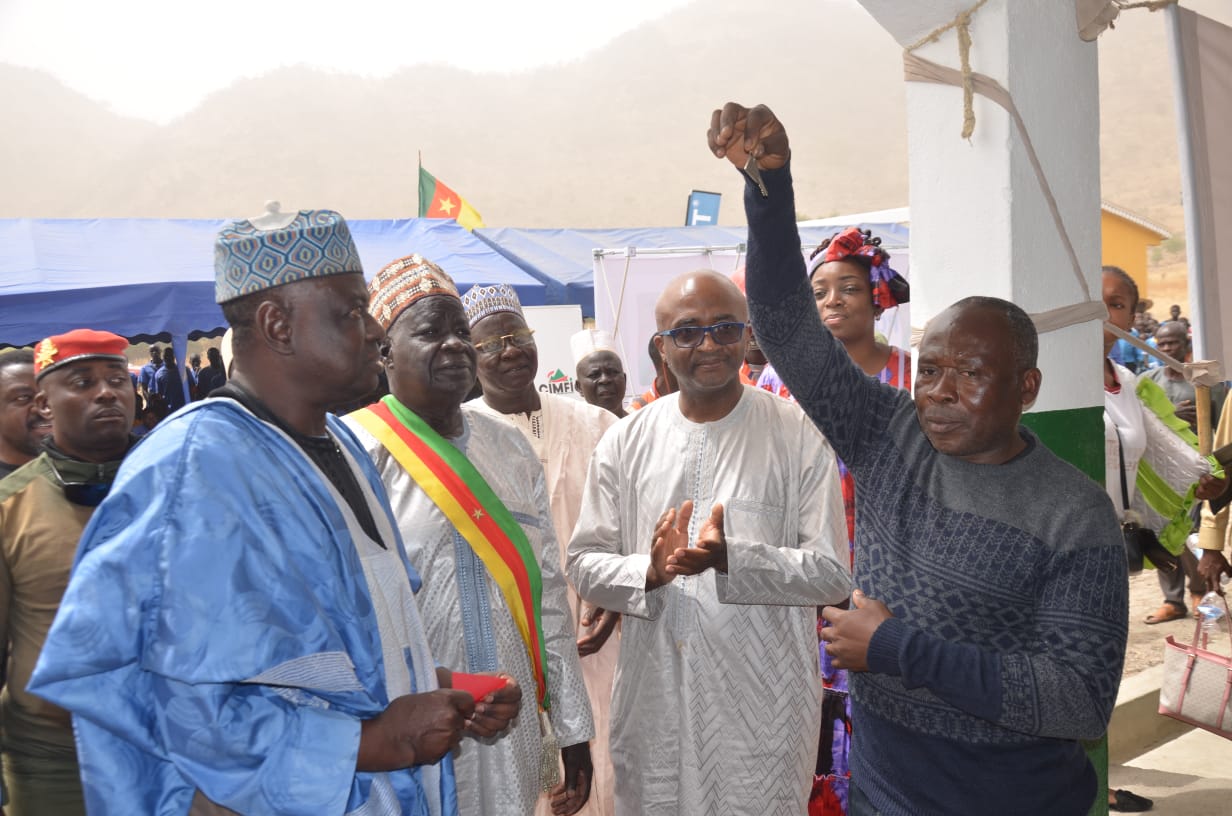
(LVDE) — At a time when demographic pressure and a shortage of school infrastructure are heavily affecting Cameroon’s northern regions, Cimencam Figuil is strengthening its social commitment by delivering two modern classroom blocks in Biou and Goulfey. The CFA 40 million investment highlights the growing partnership between the private sector and local authorities to support basic education.
In Biou, in the North Region, and in Goulfey, in the Far North, municipal authorities, traditional rulers and local residents gathered around a powerful symbol : the school. Eight months after launching its industrial operations, Cimencam Figuil, a subsidiary of Les Cimenteries du Cameroun, officially handed over two school buildings, each comprising four classrooms fully equipped with desks and benches.
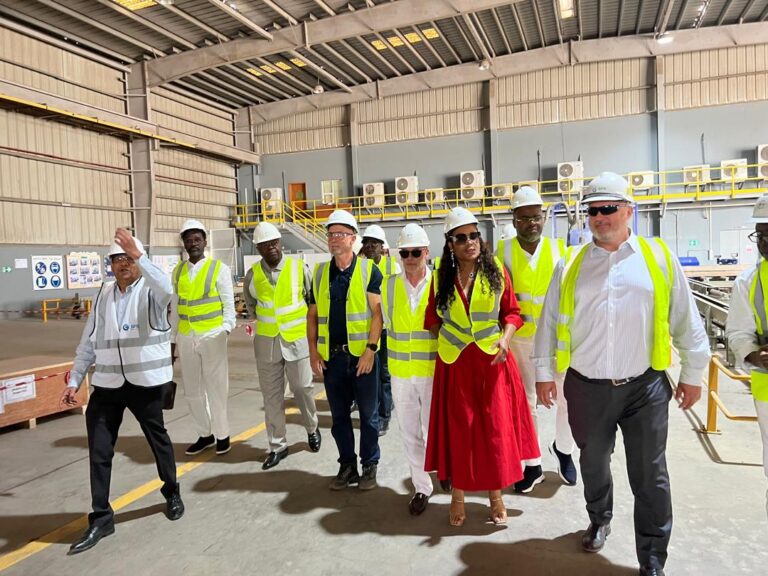
The ceremony, chaired by the Mayor of Biou, Mahamat Masse, in the presence of the First Deputy Mayor of Figuil and company representatives, took place under the intense northern sun. Speakers unanimously emphasized the decisive role of education in the social and economic transformation of local communities.
The challenges in these regions remain significant. According to data from the Ministry of Basic Education, Cameroon’s gross primary school enrollment rate exceeds 100%, reflecting strong demand, yet disparities between the southern and northern regions persist. The Far North records one of the lowest completion rates nationwide. UNICEF also notes that class sizes in some rural areas can reach or exceed 70 pupils, affecting learning conditions and educational outcomes.
Against this backdrop, the CFA 40 million allocated to the two schools represents a concrete response to overcrowded classrooms. The newly constructed buildings provide a safer, more suitable environment conducive to concentration and academic performance. Parents interviewed on site expressed hope that the additional classrooms will ease congestion and enhance individual student follow-up.
For the company, the initiative forms part of a structured corporate social responsibility policy. Management stresses that industrial performance must go hand in hand with positive impact on surrounding communities. Since the commissioning of the Figuil cement plant, several programs have been rolled out in priority areas including education, health and employability.
Demographic indicators further underscore the urgency. According to the World Bank, more than 60% of Cameroon’s population is under the age of 25. This youthful demographic represents immense potential, provided sustained investment is made in human capital. The National Development Strategy 2020–2030 identifies improving the quality of education as a key pillar of the country’s transformation agenda.
Beyond the symbolic handover of keys, the event embodied a model of public-private collaboration. For local officials, the contribution goes far beyond philanthropy ; it constitutes structural support for the municipality and a strong signal to other economic stakeholders.
In both Biou and Goulfey, the new facilities now stand as visible signs of hope. They reflect a shared conviction that the future of northern Cameroon depends on better-equipped classrooms capable of welcoming a young and ambitious generation.
Raphael Mforlem

 La voix des entreprises
 Esther Grâce