DOUALA AIRPORT RENOVATION : ADC relaunches contractor selection process

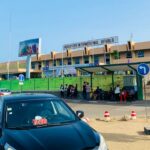
(LVDE) – Relaunched after an initial unsuccessful procedure, the selection process for companies involved in the modernization of Douala International Airport has entered a new phase. Through a call for expressions of interest published on March 23, 2026, Aéroports du Cameroun (ADC) aims to mobilize operators capable of delivering this structuring project, estimated at CFAF 95 billion.
 La voix des entreprises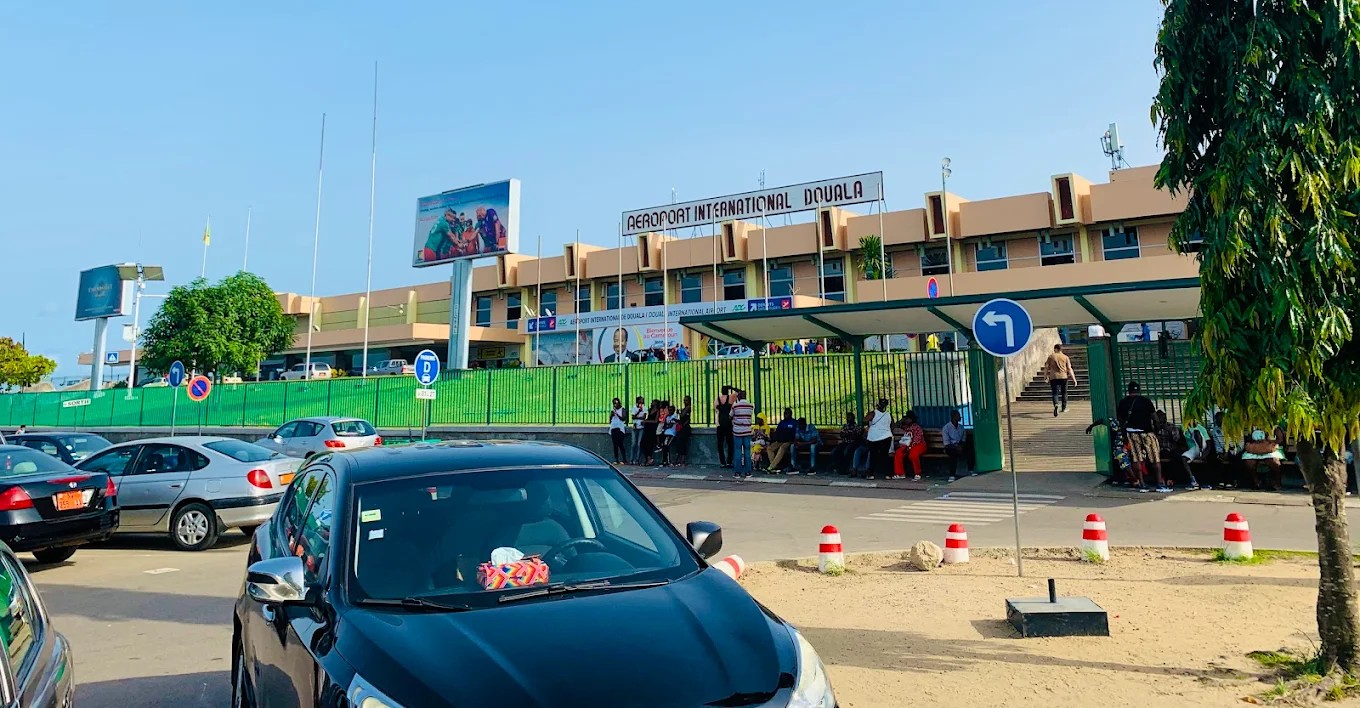
In Douala, Cameroon’s main air hub, the passenger terminal renovation project is reaching a decisive stage. On March 23, 2026, ADC’s Director General, Thomas Owona Assoumou, officially relaunched the prequalification process for companies expected to take part in this major construction project. This move follows an initial call issued in December 2025 that was declared unsuccessful, as submitted bids failed to meet the technical and financial requirements set by the contracting authority.
The new consultation targets both national and international companies or consortia specialized in construction works. Applicants may bid for one, two, or up to three project lots depending on their capacity. Proposals will be assessed based on strict criteria, including financial strength, proven experience in similar projects, and the ability to meet execution deadlines. Submissions are expected no later than April 23, 2026, ahead of a formal tender process scheduled for the second quarter of the year.
The project includes a 25,000-square-meter expansion of the passenger terminal, incorporating modern infrastructure aimed at improving operational efficiency. Key components include the installation of a baggage handling system, new check-in areas, passenger and cabin baggage screening zones, and a central boarding hall. Existing facilities such as piers A and B, arrival areas, security checkpoints, and VIP lounges will also be upgraded to meet international standards.
Beyond civil engineering works, the program also covers the procurement of technical equipment and the development of aircraft parking areas. According to ADC, coordination among contractors will be critical to ensure overall project consistency. The selected company will therefore be required to work closely with other stakeholders to guarantee seamless integration of all project components.
With an estimated total cost of CFAF 95 billion, the project is financed through a combination of a loan from the French Development Agency (AFD), ADC’s own funds, and a contribution from the Government of Cameroon. This financial commitment highlights the strategic importance of the airport, especially in a context marked by the gradual recovery of air traffic across Africa. According to the International Air Transport Association (IATA), passenger traffic on the continent is growing at an average annual rate of 6%, underscoring the need for upgraded infrastructure.
Ultimately, the modernization of Douala Airport aims to strengthen its position as a leading hub in Central Africa, while improving passenger experience and operational efficiency. For companies in the construction and public works sector, the project represents a significant opportunity to position themselves in a high-value market aligned with Cameroon’s economic development ambitions and those of the CEMAC sub-region.
Esther Grace
À propos de l'auteur



 Raphael Mforlem