CSR : BGFIBank Cameroon invests in 100 boreholes to improve water access in the North
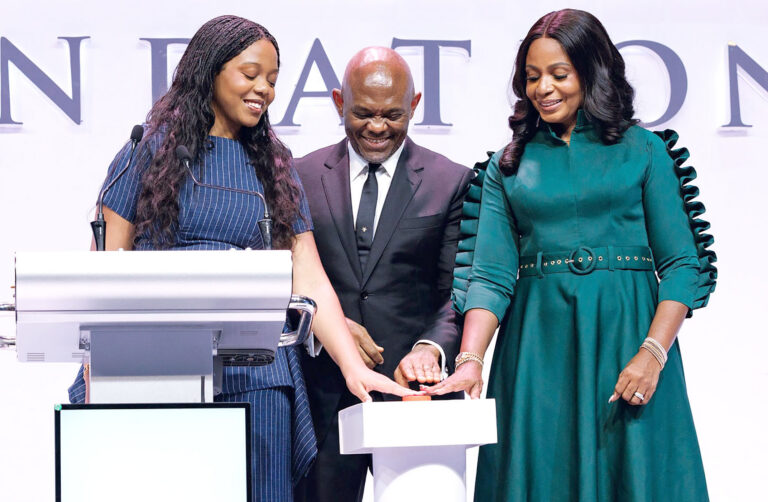
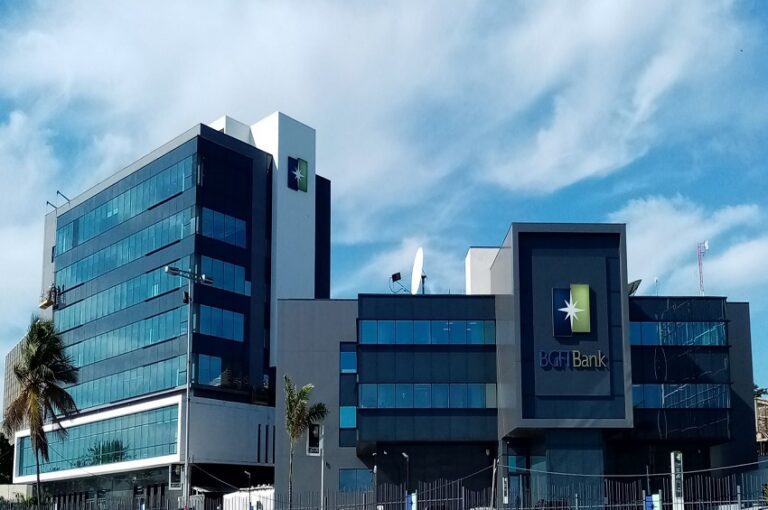
(LVDE) – On the occasion of its 15th anniversary in Cameroon, the BGFIBank Foundation is launching “Wells of Hope,” an ambitious program to construct 100 potable water boreholes in the North and Far North regions. Facing chronic water shortages and climatic challenges, the initiative aims to bring water closer to rural communities, support the local economy, and strengthen the autonomy of the populations.
 La voix des entreprises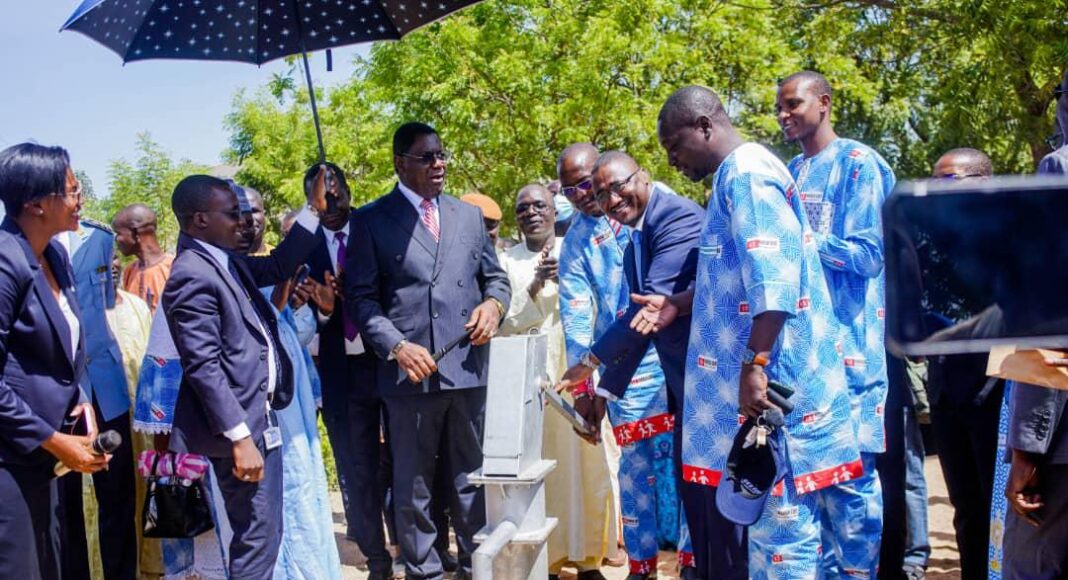
Maroua and Garoua, two regions grappling with a persistent water crisis, will be at the heart of the “Wells of Hope” project. The initiative, officially launching on March 25, 2026, plans to install 100 boreholes in rural areas most exposed to water stress. The goal is clear: improve access to drinking water, reduce health risks, and support agricultural and pastoral activities, which are vital to the local economy.
In these regions, residents often travel several kilometers to obtain safe drinking water. This situation increases health vulnerabilities and slows socio-economic development. The boreholes will secure water supply while promoting more resilient farming practices and greater food self-sufficiency.
The BGFIBank Foundation adopts a participatory and sustainable approach. Each borehole will be developed in collaboration with local authorities, technical experts, and the beneficiary communities. Local management systems will ensure maintenance and long-term sustainability, guaranteeing a lasting impact on the ground. Initial operations will begin in Maroua before expanding to Garoua and other selected localities.
Beyond directly improving living conditions, the program reflects BGFIBank’s commitment to corporate social responsibility and sustainable development. According to Foundation officials, “Wells of Hope” serves as a lever to strengthen community resilience in the face of climate challenges and unmet basic needs, while consolidating the company’s role in the local economy.
Statistics underscore the urgency of the initiative: nearly 50% of rural populations in the North and Far North experience seasonal water shortages. In this context, BGFIBank’s investment demonstrates how the private sector can play a significant role in addressing critical social and economic challenges while enhancing the visibility and impact of its CSR initiatives.
Through “Wells of Hope,” tens of thousands of people will gain improved access to water—a tangible symbol of sustainable commitment and a concrete partnership between businesses and communities.
Esther Grace
À propos de l'auteur




 Raphael Mforlem