AERONAUTICAL INDUSTRY : Toward higher flight costs in Africa

(LVDE) – Rising tensions surrounding Iran and disruptions in the Strait of Hormuz are driving a surge in oil and jet fuel prices. In Africa, already fragile airlines are now heading toward fare increases, with direct consequences for travelers and the entire aviation sector.
 Raphael Mforlem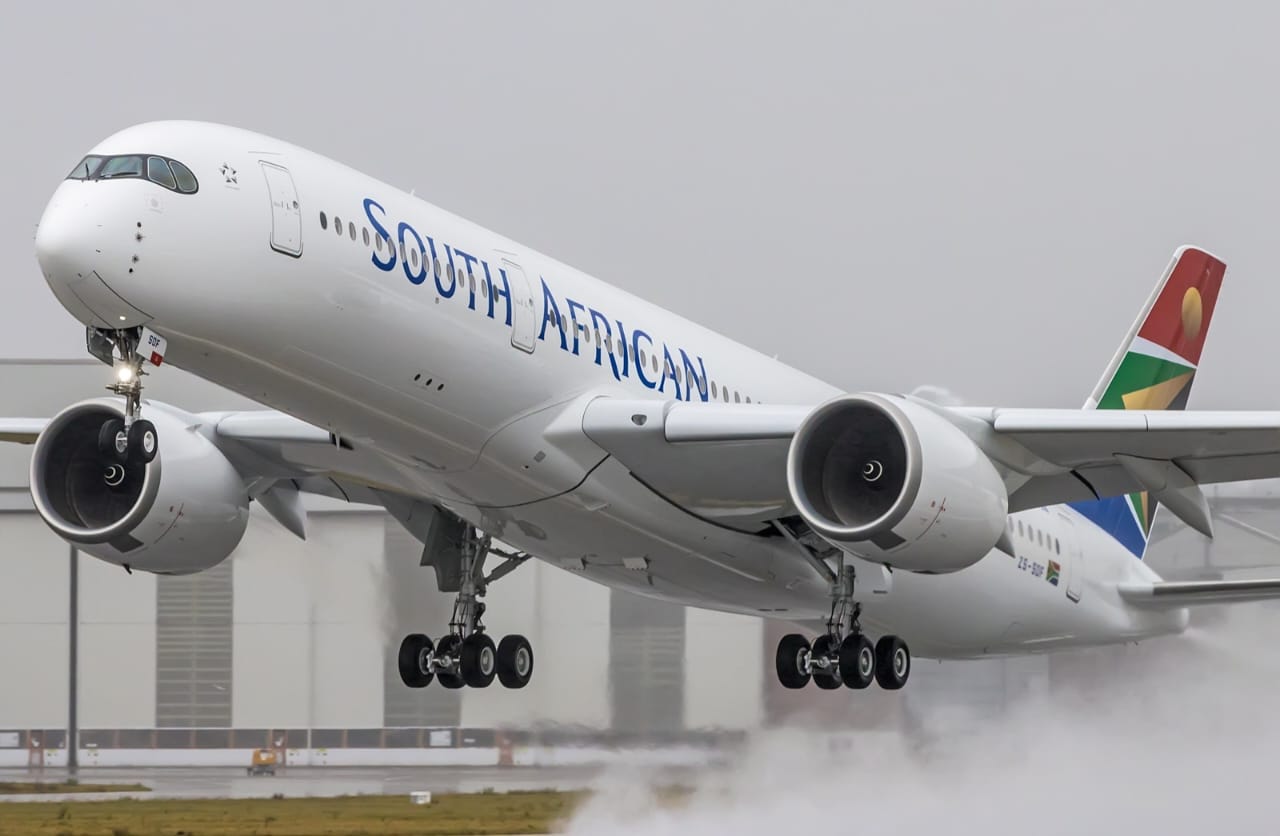
In the departure halls of Douala, Nairobi and Dakar, concern is growing. Since the outbreak of the geopolitical crisis in the Middle East, airlines have been anticipating a generalized rise in ticket prices. The reason: soaring oil prices linked to tensions around Iran and disruptions in the strategic Strait of Hormuz, through which nearly 20% of the world’s oil supply transits.
Before the crisis, Brent crude traded between $60 and $70 per barrel in 2025, in a relatively stable environment. However, since late February 2026, prices have surged past the $100 mark, driven by military strikes and threats to key maritime routes.
This increase has immediately affected jet fuel, which represents the largest cost item for airlines. Aviation fuel now stands at around $168 per barrel, nearly double the levels recorded at the beginning of the year. Industry professionals describe the surge as both “sudden and significant.”
As a direct consequence, several international airlines have already introduced fuel surcharges. On long-haul flights, ticket prices have increased by €30 to €50 in economy class, and can reach up to €200 in business class. This trend is expected to become widespread if the crisis persists.
In Africa, the impact could be even more severe. Airlines across the continent, operating with thinner margins and a heavy dependence on imported fuel, are particularly exposed. Some carriers are already considering fare adjustments or the introduction of new fees to absorb the shock.
The African aviation sector, which accounts for less than 3% of global air traffic, remains highly vulnerable to fluctuations in international markets. Fuel alone represents up to 30% to 40% of operating costs, further straining the profitability of routes, especially regional ones.
Beyond airlines, the entire value chain is affected. Travel agencies fear a drop in demand, while some expansion projects could be delayed. For passengers, the impact is immediate: flying is becoming more expensive in an already challenging economic climate.
If the crisis persists, experts warn of a domino effect similar to previous oil shocks, which had long-lasting consequences on global air transport.
For Africa, the challenge is now clear: to cushion the impact on consumers while preserving a strategic sector essential for mobility, trade, and regional integration.
À propos de l'auteur








 La voix des entreprises

 Tressy CHOUENTE