CENTRAL AFRICA : BEAC bets on PAPSS to streamline cross-border payments

 La voix des entreprises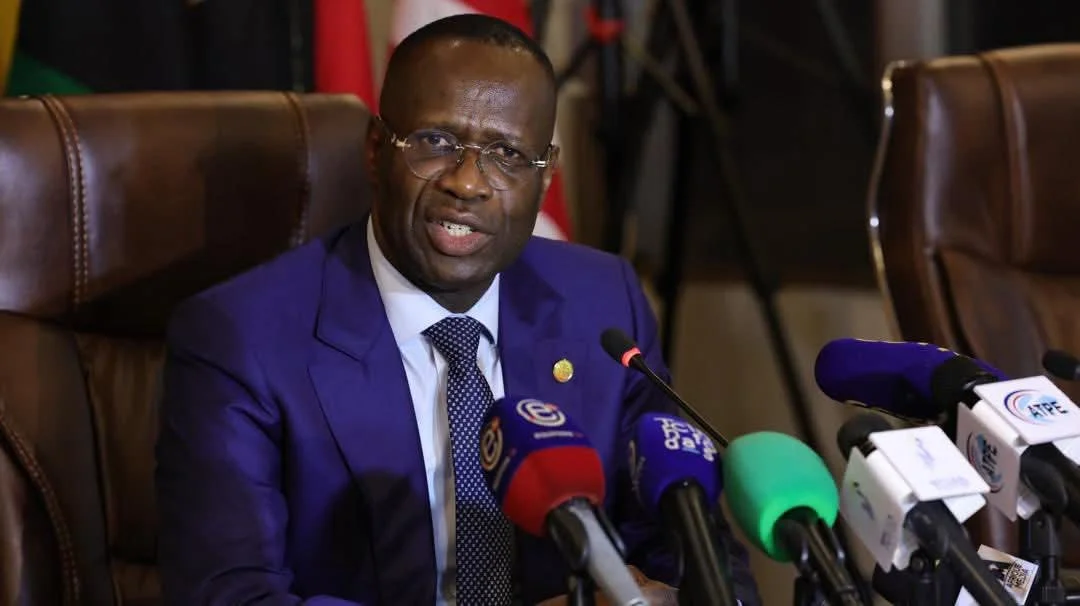
(LVDE) — The Bank of Central African States (BEAC) plans to soon join the Pan-African Payment and Settlement System (PAPSS). This initiative aims to modernize payment infrastructures in Central Africa, reduce the costs of cross-border transactions, and support intra-African trade within the framework of the African Continental Free Trade Area (AfCFTA).
Africa’s financial integration could take a significant step forward with the upcoming accession of BEAC to PAPSS. The announcement was made by BEAC Governor Yvon Sana Bangui during a high-level meeting of Sub-Saharan African central banks held in Kigali under the auspices of the International Monetary Fund (IMF) and the National Bank of Rwanda.
For the central bank of the Economic and Monetary Community of Central Africa (CEMAC), joining this continental mechanism is a strategic lever to facilitate cross-border payments and ease trade between African countries. Launched by the African Export-Import Bank (Afreximbank) in partnership with the African Union and the AfCFTA Secretariat, PAPSS enables instant financial transactions between African institutions without relying on international currencies such as the US dollar or the euro.
The main objective of the system is to significantly reduce the costs and delays associated with international payments. According to several Afreximbank studies, nearly 80% of intra-African payments still pass through correspondent banks outside the continent, primarily in Europe or North America. This dependency results in high fees and settlement times that can stretch over several days.
By integrating PAPSS, BEAC hopes to facilitate settlements in local currencies between CEMAC member countries and other African economies. Such a development could help preserve the region’s foreign exchange reserves and strengthen the bloc’s financial autonomy. Central Africa—which includes Cameroon, Gabon, Congo, Chad, the Central African Republic, and Equatorial Guinea—is keen to accelerate its economic integration amid growing intra-African trade.
Governor Yvon Sana Bangui also highlighted progress already achieved in modernizing regional payment systems. He specifically cited the GIMAC Pay platform, which connects banks, microfinance institutions, and mobile money operators across the CEMAC zone. This infrastructure is gradually improving the interoperability of digital transactions in the sub-region.
However, the governor expressed concerns about the proliferation of taxes on mobile money transactions in several African countries. He argued that such measures constitute a form of “parallel regulation” that could slow digital payment adoption and hinder financial inclusion. In many African economies, mobile money services remain crucial for providing financial access to unbanked populations.
Conversely, the BEAC governor advocates for an approach that taxes cash transactions more heavily to encourage digital solutions. According to him, this strategy would improve financial traceability, reduce fraud risks, and promote transparency in economic exchanges.
Currently, Africa accounts for only about 15% of intra-regional trade, a level far below that of Europe or Asia. The operationalization of the AfCFTA and the deployment of financial tools such as PAPSS are seen as key instruments for boosting trade between African countries.
As the current chair of the Association of African Central Banks, BEAC intends to play an active role in this transformation of the continental financial landscape. Joining the Pan-African Payment System could thus mark a decisive milestone for Central Africa’s economic integration and the modernization of its financial infrastructure.
Tressy Chouente
À propos de l'auteur




 Tressy CHOUENTE

 Raphael Mforlem