NHPC : Cameroon State Debt Increases by About CFA 70 Billion
 La voix des entreprises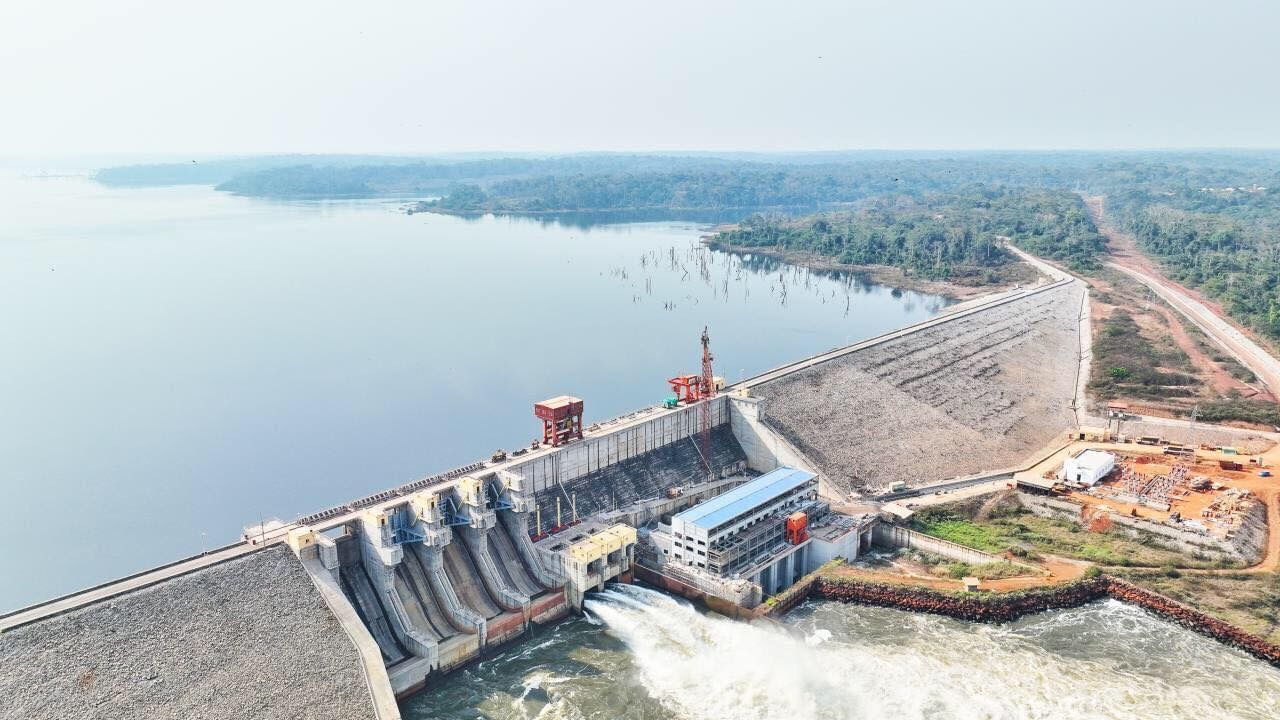
(LVDE) — Outstanding payments accumulated by the Government of Cameroon to the independent power producer Nachtigal Hydro Power Company have reached a worrying level. Amid cash flow pressures, activation of bank guarantees and ongoing financial negotiations, the stability of the country’s largest hydroelectric project is being tested.
The financial situation surrounding Nachtigal Hydro Power Company (NHPC) is raising serious concerns. According to consistent sources, unpaid invoices owed by the Cameroonian State are now estimated at nearly CFA 70 billion. The amount has built up progressively : by the end of 2025, arrears had already exceeded CFA 53 billion, before increasing further with monthly billings estimated at close to CFA 10 billion since January 2026.
Commissioned with an installed capacity of 420 MW, the Nachtigal dam represents a total investment estimated at CFA 786 billion. This strategic project is expected to boost national electricity generation capacity by approximately 30% and strengthen the share of hydropower in Cameroon’s energy mix. However, the growing backlog of unpaid bills is weakening its financial balance.
Facing deteriorating cash flow, NHPC reportedly referred the matter successively to Cameroon’s Ministry of Water and Energy and then to the Ministry of Finance to warn about the risks involved. By the end of January 2026, available reserves were no longer sufficient to sustainably cover operating expenses or fund the account dedicated to repaying loans contracted from international lenders. This situation led to a technical default vis-à-vis financial partners.
Meeting in Paris on January 27, 2026, shareholders and lenders reviewed options to secure payments. Discussions focused on clarifying budgetary commitments included in the national finance law, replenishing a letter of credit held at Société Générale Paris, and establishing a more structured repayment schedule.
At the same time, the Ministry of Finance is negotiating with Société Générale Cameroun and several local banking institutions to set up a CFA 100 billion revolving guarantee mechanism. An initial tranche of CFA 20 billion was mobilized at the end of November 2025, although only part of it was reportedly disbursed. Other institutions, including Afriland First Bank, UBA, SCB Cameroun and Access Bank, have expressed interest in strengthening the facility.
The situation is also linked to the financial strain affecting Eneo, the main purchaser of the electricity produced. Under the power purchase agreement, NHPC invoices approximately CFA 10 billion per month, whether the electricity generated is fully consumed or not. Payment delays have already led to the near-total activation of the bank guarantee provided for in the original financial structure.
Pending stabilization of financial flows, the sustainable operation of the dam largely depends on the State’s budgetary decisions. For sector analysts, swiftly resolving this financial equation remains crucial to preserving Cameroon’s credibility with investors and international lenders.
Amelie Yandal
À propos de l'auteur






 Raphael Mforlem