NIGERIA : Dangote Refinery Makes History with 650, 000 Barrels per Day

 La voix des entreprises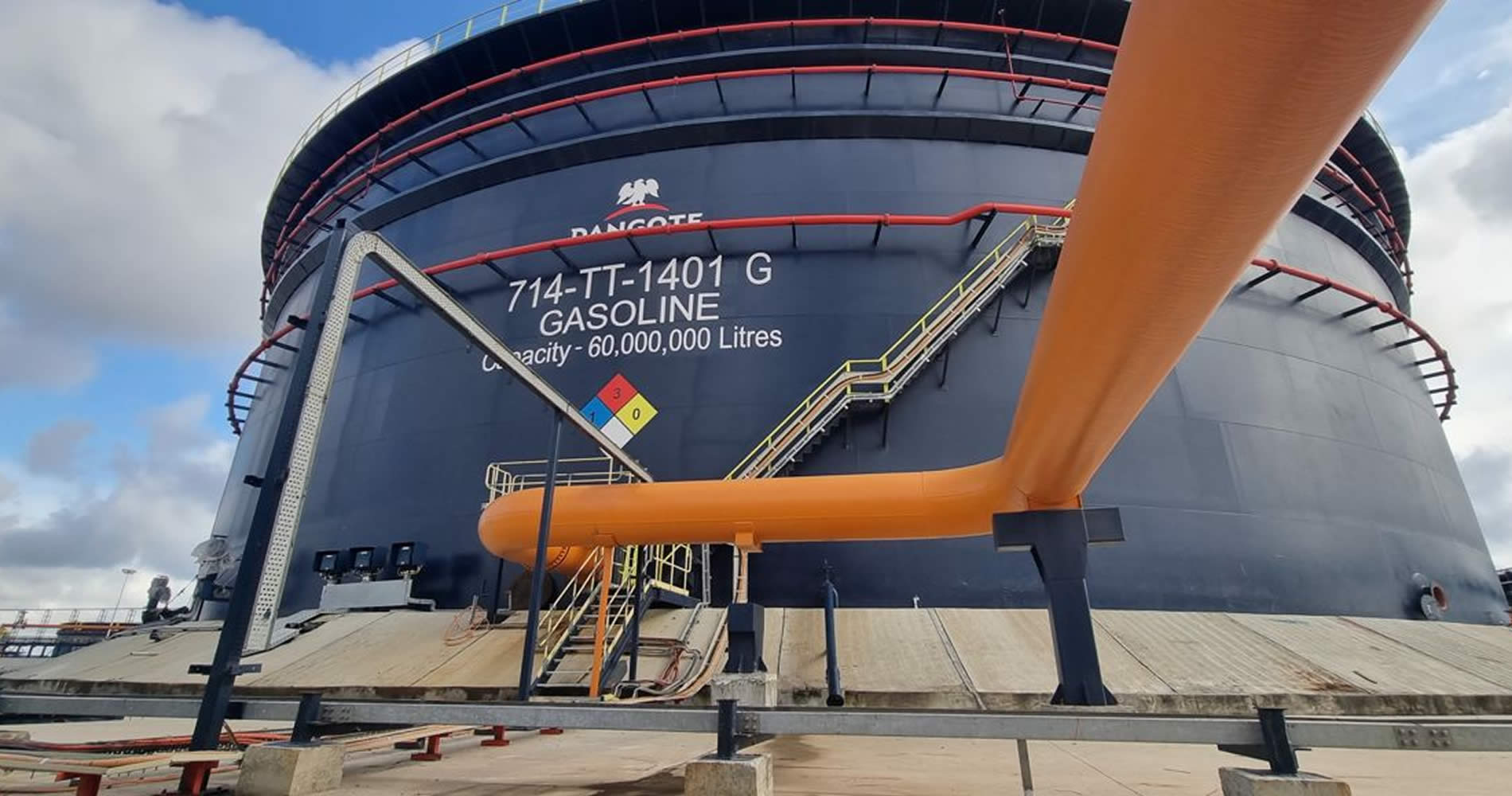
Dangote Refinery
(LVDE) — Africa’s largest refinery has reached a historic milestone by operating at its full nominal capacity. This strategic achievement is set to transform Nigeria’s energy market, reduce import dependency, and boost industrial and economic growth.
In a statement released on February 11, 2026, the Dangote Group confirmed that its oil refinery, located near Lagos, is now running at its nominal capacity of 650,000 barrels per day. This marks a world first for a single refining unit, positioning Nigeria as a major player in refined petroleum production both on the continent and globally. The milestone was achieved through optimization of the crude distillation and gasoline production units, ensuring operational stability and compliance with international standards.
To validate this performance, the refinery conducted intensive 72-hour testing in partnership with UOP, a leader in refining technology. According to David Bird, the refinery’s CEO, “The precision of our teams has stabilized all critical units and confirmed that the refinery can now operate at full capacity.” The naphtha treatment, isomerization, and reformer units are running at 100%, while other sections will begin Phase 2 performance tests next week.
This ramp-up increases daily gasoline output from an estimated 45–50 million liters during peak periods to a potential maximum of 75 million liters per day. Analysts highlight that this capacity could generate up to $10 billion in annual foreign exchange savings for Nigeria, reduce reliance on imports—which previously accounted for over 80% of refined products—and create thousands of direct and indirect jobs across the oil and petrochemical sectors.
In October 2025, Aliko Dangote, owner of the complex, announced plans to expand the refinery to 1.4 million barrels per day. The expansion will allow the production of new petrochemical derivatives, including linear alkylbenzenes and base oils, and increase annual polypropylene output from 1 to 1.5 million metric tons, strengthening local industrialization and energy security.
Beyond national impact, the refinery’s full capacity opens regional and international opportunities. Neighboring countries will have easier access to refined fuels, reducing chronic shortages and limiting price volatility. The Dangote project thus stands as a cornerstone in the transformation of the West African energy market, reinforcing Nigeria’s position as an industrial and export hub.
Esther Grace
À propos de l'auteur






 Raphael Mforlem