CEMENT PLANT : Medcem Halted for Two Years Due to Flooding

 La voix des entreprises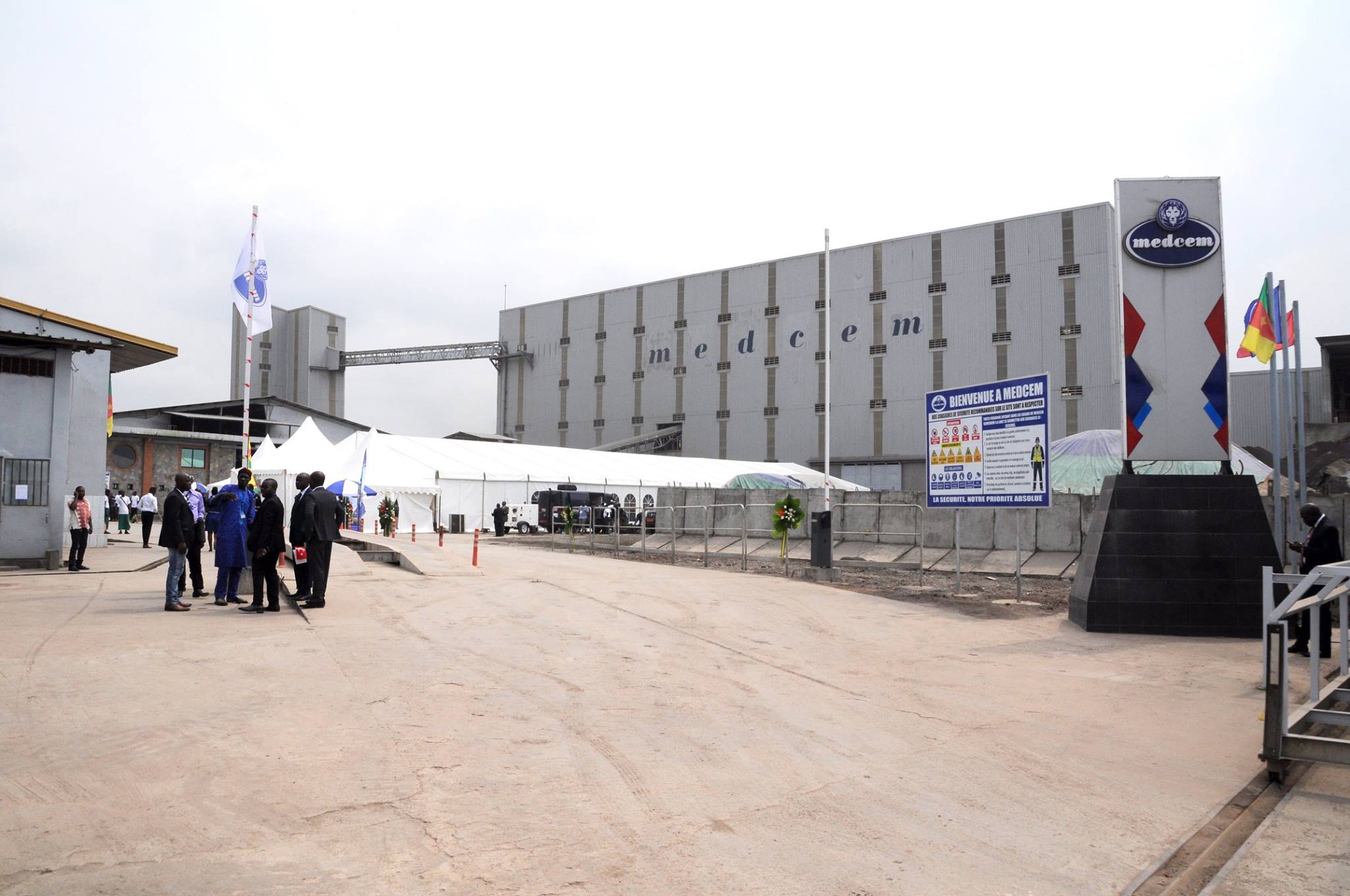
(LVDE) – In Douala, the Medcem cement plant, a Turkish-Cameroonian partnership, has remained inactive since November 2023. Exposed to recurring floods and infrastructure constraints, the factory struggles to resume operations, jeopardizing 13 billion FCFA in investment and hundreds of jobs.
For over two years, Medcem Cameroon, located in the country’s economic capital, has been at a standstill, blocking an industrial project valued at 13 billion FCFA. According to the mid-term report of the 2020-2030 National Development Strategy (SND-30), this suspension spans 2020–2025, although internal sources indicate that the effective halt began in November 2023. The prolonged shutdown raises questions about the resilience of industrial infrastructure to climatic hazards and the effectiveness of post-investment monitoring.
Recurring floods are the main cause of the disruption. “The last major incident occurred during torrential rains, which destroyed a significant portion of our raw materials. The timber storage facility collapsed,” said an employee at the plant. The site’s topography and the developments by the Douala Autonomous Port exacerbate the problem. “The road located upstream channels water toward the factory during heavy rains, flooding even some offices. Under these conditions, continuing production was no longer feasible,” the same source added.
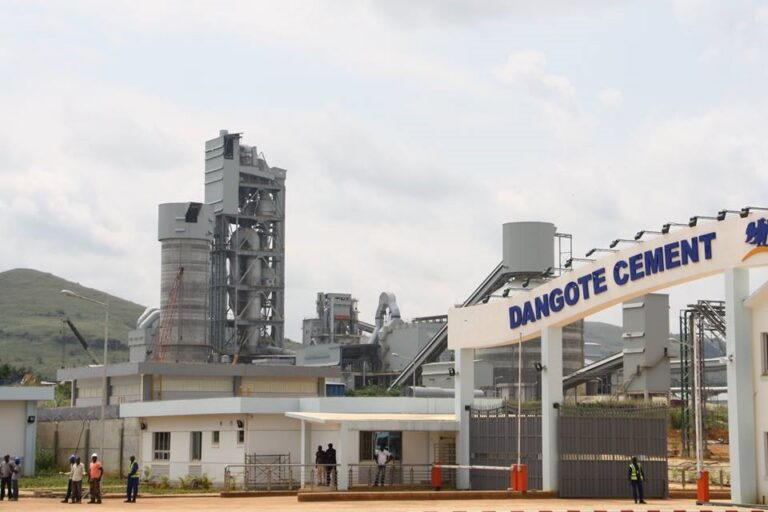
Despite technical and organizational adaptation efforts, the shutdown has had an immediate social impact. Part of the workforce has been placed on temporary layoff, while a minimal service continues on-site. The plant’s paralysis also weakens the local cement distribution chain, in a market dominated by Cimencam and Dangote Cement.
Medcem Cameroon is the result of a joint venture between the Turkish group Eren Holding and the local hardware chain Quifeurou. Inaugurated on December 16, 2016, the cement plant aimed to initially produce 600,000 tons of cement per year, with capacity expandable to one million tons, and to quickly become the market’s second-largest player. The 50-kg bag was to be offered at 4,550 FCFA, combining competitive pricing and quality.
Beyond economic stakes, the project supports around 250 direct jobs and about 700 indirect jobs. It also benefited from tax incentives under the 2013 Private Investment Law, with exemptions ranging from five to ten years. The current blockage highlights the limitations of the legal framework in terms of post-installation monitoring and securing industrial investments, a point emphasized by the SND-30 report, which calls for stricter post-investment oversight.
As Cameroon bets on industrialization as a lever for growth and job creation, Medcem’s situation illustrates how vulnerability to climatic hazards and urban infrastructure can compromise strategic projects. Resuming operations will depend on adapted technical measures, institutional support, and effective coordination with surrounding infrastructure.
Esther Grace
À propos de l'auteur





 Raphael Mforlem