CAMEROON : Sic Cacaos boosts its capital after two years of stagnation
 La voix des entreprises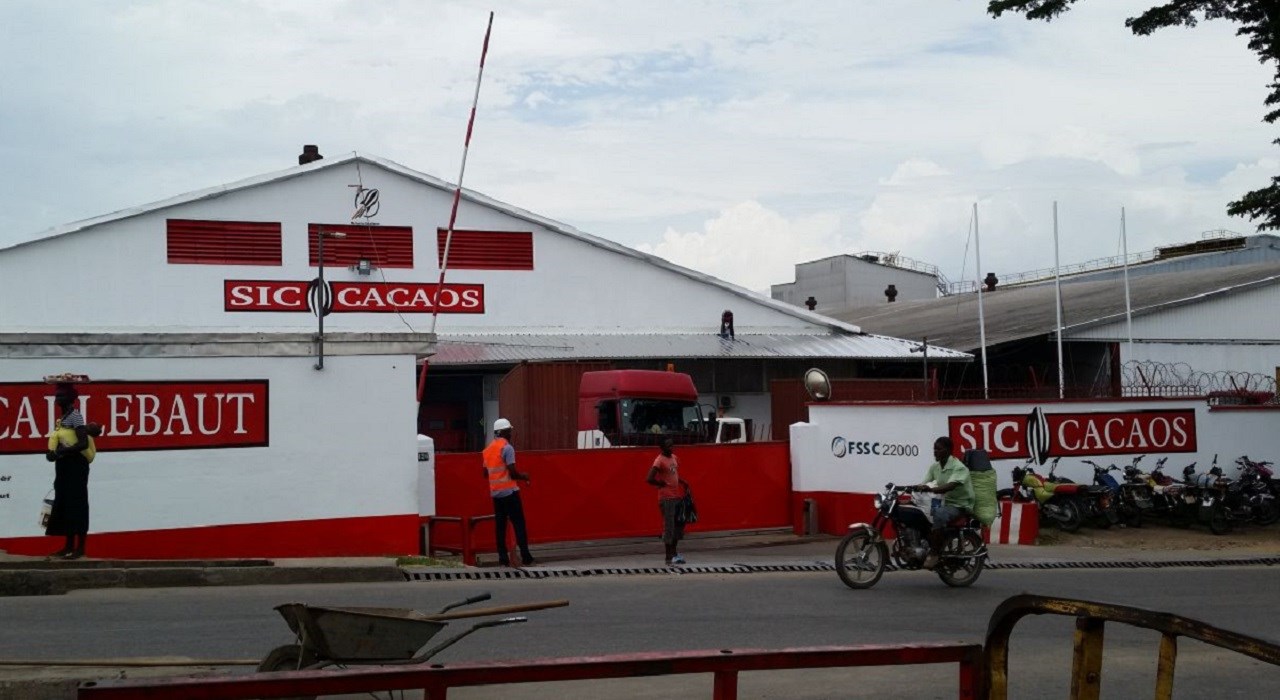
(LVDE) — After a period marked by mixed performance and operational challenges, the Cameroonian Industrial Cocoa Company (Sic Cacaos), a subsidiary of the Swiss giant Barry Callebaut, is strengthening its financial base by tripling its capital to 6.8 billion FCFA. This recapitalization could revive investments and consolidate its position in a cocoa market undergoing significant transformation.
The Cameroonian subsidiary of Barry Callebaut has reached a new strategic milestone. Sic Cacaos has officially raised its share capital to 6.8 billion FCFA, tripling its initial value. This decision comes after two difficult years characterized by a decline in production and logistical constraints, which affected the company’s performance in both the local and regional markets.
Cocoa, the core business of Sic Cacaos, remains a vital sector for Cameroon’s economy, representing approximately 200 billion FCFA in annual value through processing and export, according to the Ministry of Agriculture and Rural Development. However, the grinding activity suffered from rising raw material costs and disruptions in international supply chains. The recapitalization is thus a direct response to these challenges, providing the company with greater flexibility to modernize its facilities and secure its supply.
During a press conference at the company’s headquarters in Douala, CEO Jean-Paul Mbarga explained that the newly mobilized funds will be used to strengthen industrial capacity and invest in more efficient and sustainable production technologies. “Our goal is to consolidate our position in the national market while exploring new export opportunities in the sub-region. We want to provide local producers with high-quality processing solutions and contribute to the stability of the cocoa sector,” he said.
The Cameroonian cocoa market is undergoing a significant restructuring. After years dominated by a few major players, international subsidiaries like Sic Cacaos are seeking to strengthen their local presence to remain competitive. Investments in modernizing grinders and optimizing the value chain could also boost domestic production and reduce dependency on imported cocoa paste and butter.
According to industry experts, this recapitalization comes at a strategic moment, as global demand for high-quality chocolate products is growing, particularly in Europe and Asia. Sic Cacaos aims to align its production with international standards while maintaining a positive impact on the local economy and the hundreds of small producers who supply the company.
Barry Callebaut’s initiative to support its Cameroonian subsidiary demonstrates renewed confidence in the country’s potential as a regional cocoa processing hub. The coming months will be crucial to assess whether this capital injection enables Sic Cacaos to overcome past difficulties, increase production capacity, and strengthen its competitiveness in an increasingly dynamic African market.
This move could also inspire other foreign investors to reconsider their commitments in Central Africa, particularly in agricultural and agro-industrial sectors where local value creation remains largely untapped.
Amelie Yandal
À propos de l'auteur






 Raphael Mforlem