GAS : Yaoundé and Malabo Agree on Joint Development of the Yoyo-Yolanda Gas Field
 La voix des entreprises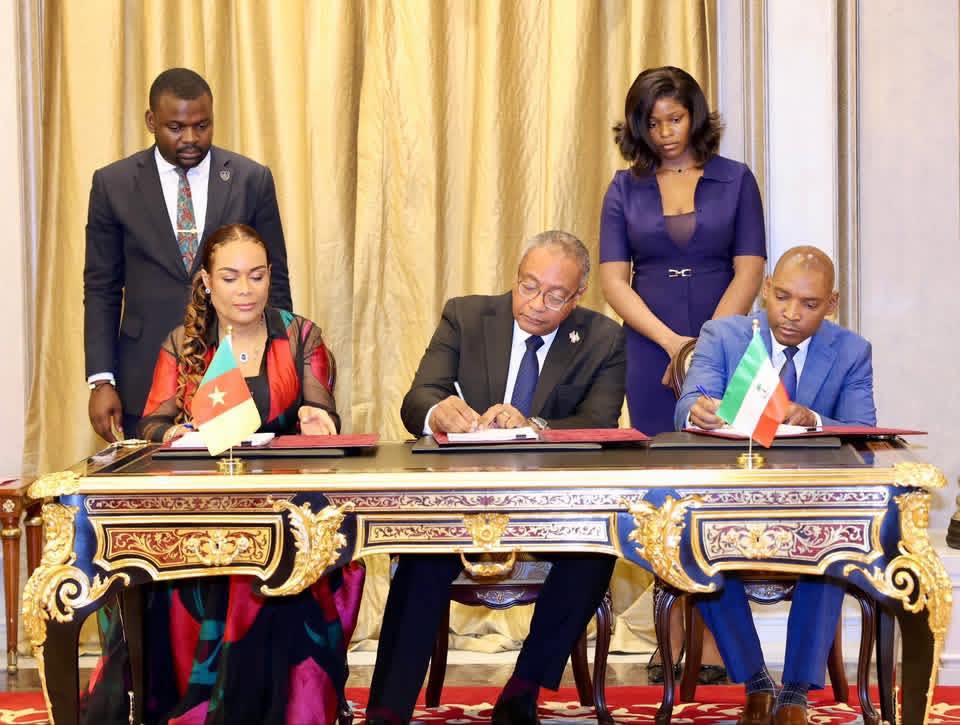
(LVDE) — Cameroon and Equatorial Guinea have taken a decisive step in their energy cooperation with the signing of an agreement for the joint development of the transboundary Yoyo-Yolanda gas field. Estimated at 2.5 trillion cubic feet, this strategic field, operated by Chevron, opens new prospects for regional supply and the development of liquefied natural gas (LNG) in Central Africa.
After long-awaited discussions, Yaoundé and Malabo formalized their partnership on the Yoyo-Yolanda gas field, located across their respective maritime borders. The agreement, the result of several years of technical and diplomatic negotiations, establishes the legal, fiscal, and operational framework for the joint exploitation of this resource, estimated at around 2.5 Tcf of natural gas. For both states, it sends a strong signal in favor of coordinated management of transboundary resources, in a global context increasingly focused on finding new energy sources.
The field will be operated by Chevron, appointed as the project operator. The American oil company sees Yoyo-Yolanda as a key lever to secure long-term gas supply, particularly by feeding existing liquefaction infrastructure in Equatorial Guinea. This approach is expected to strengthen the country’s position as a regional LNG hub while offering Cameroon an opportunity to enhance the value of its offshore gas resources.
Beyond the energy stakes, the agreement carries significant economic and financial benefits. Cameroonian and Equatorial Guinean authorities anticipate additional revenue for public finances, the creation of direct and indirect jobs, and the strengthening of local technical capacities. The project also fits into the sub-regional cooperation dynamic promoted by ECCAS, which encourages the integration of energy markets in Central Africa.
This advancement comes as both countries seek to diversify their economies and optimize the profitability of their natural resources in the face of volatile oil markets. By securing a common framework for Yoyo-Yolanda, Cameroon and Equatorial Guinea are laying the foundations for a sustainable strategic partnership, likely to reshape the gas landscape in the Gulf of Guinea.
Tressy Chouente
À propos de l'auteur



 Raphael Mforlem