FINANCIAL RATING : Afreximbank announces the end of its relationship with Fitch Ratings for its credit rating

 La voix des entreprises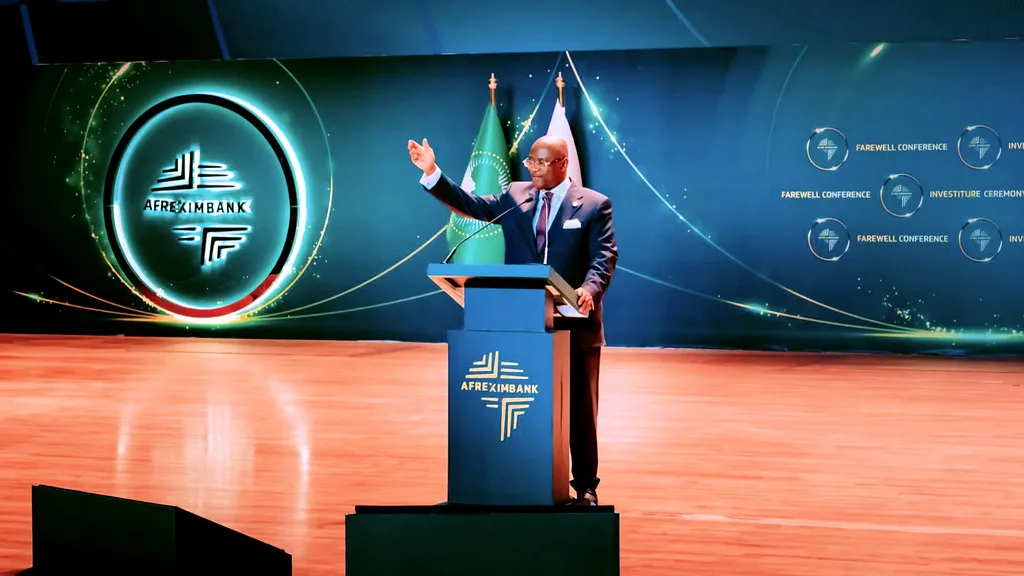
(LVDE) — The African Export-Import Bank (Afreximbank) announced on Friday, January 23, 2026, from its headquarters in Cairo, the termination of its collaboration with the credit rating agency Fitch Ratings. This decision comes after growing tensions over the assessment of its creditworthiness and has reignited the debate on adapting rating methodologies to African institutional realities.
In a statement released on Friday, the African Export-Import Bank, better known as Afreximbank, officially confirmed the end of its partnership with the international rating agency Fitch Ratings, which had until now assigned it a long-term credit rating of BBB- with a negative outlook. According to the communiqué issued by the Cairo-based pan-African institution, this decision followed a thorough review of the relationship between the two parties and stems from the conviction that Fitch’s ratings no longer accurately or adequately reflect the legal framework, mission, and constitutive agreement governing the operations of the multilateral bank.
This break occurs against the backdrop of growing disagreement between Afreximbank and the US-based agency, following a series of assessments deemed unfavorable by the African bank. In June 2025, Fitch downgraded the institution’s rating to “one notch above speculative grade,” citing increased credit risks and perceived weaknesses in risk management, particularly due to exposure to sovereign loans from certain African countries facing financial difficulties. The decision had triggered a strong reaction from Afreximbank, which challenged the agency’s interpretation of the data and criticized its poor understanding of the bank’s operating model and unique institutional status.
Through its statement, Afreximbank reaffirmed that its financial profile remains sound, supported by strong relationships with its member state shareholders and by the legal protections embedded in its constitutive treaty, which grant it a special role in financing intra- and extra-African trade. The communiqué also recalls that despite ending its relationship with Fitch, the bank continues to benefit from investment-grade ratings from other international agencies such as Moody’s, GCR, JCR and CCXI.
This development has also revived a broader debate on the relevance of traditional rating methodologies applied to African multilateral financial institutions. Several sector stakeholders are advocating for a more tailored approach to the specificities of such entities, including the possible creation of an African sovereign rating agency designed with a deeper understanding of continental economic realities. This alternative project has been under discussion for several months and has gained renewed attention in light of the recent divergences between Afreximbank and major international rating agencies.
Meanwhile, Afreximbank — whose mission is to facilitate trade financing in Africa and support initiatives such as the African Continental Free Trade Area (AfCFTA) — continues to maintain a strategic position despite these tensions. The institution recently reported assets and commitments exceeding USD 40 billion, supported by substantial equity, underscoring its operational strength even in an increasingly complex global environment for development finance institutions.
Raphael Mforlem
À propos de l'auteur






 Anatole Bidias
 Amélie Yandal