
CAMEROON : Nearly 40% of Companies at Risk of Insolvency Following Post-Election Tensions

 La voix des entreprises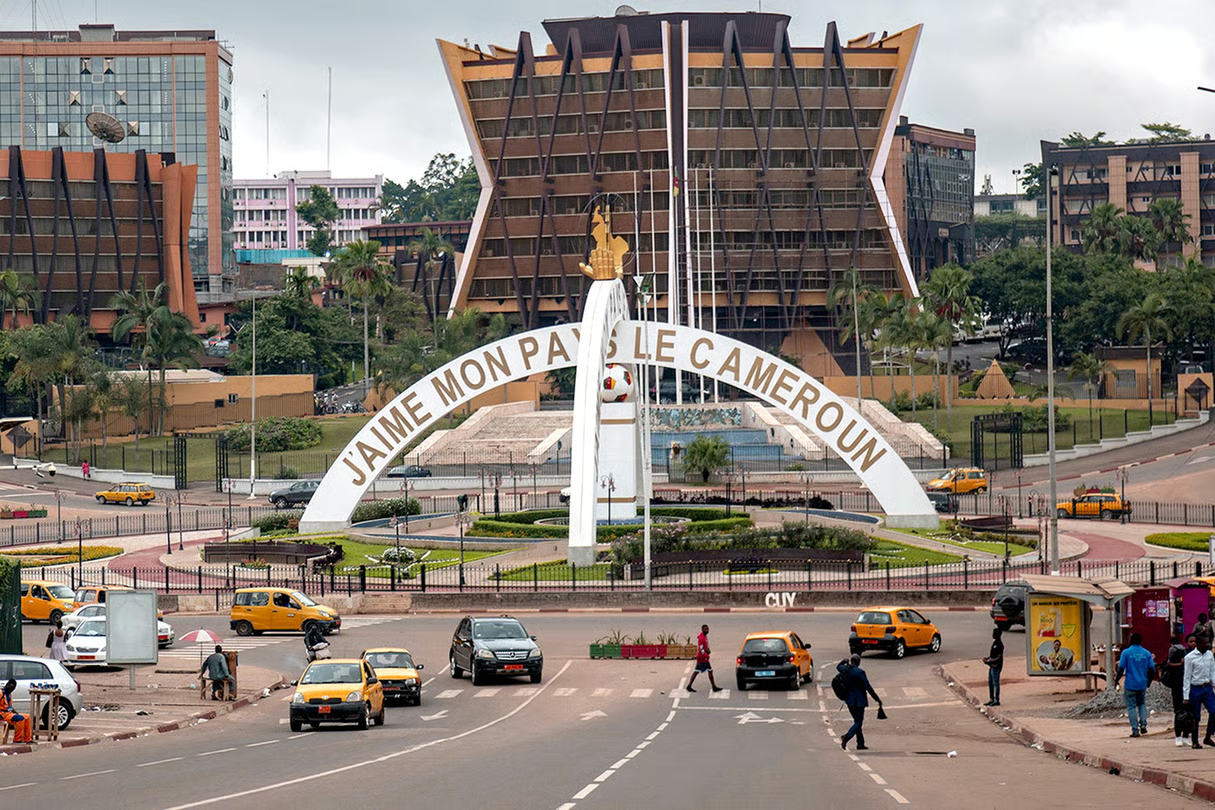
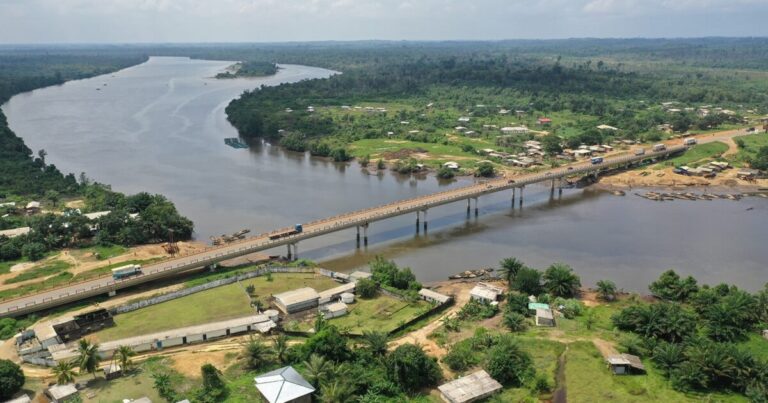
Yaounde, political capital of Cameroon
(LVDE) — The economic fallout from the late-2025 post-election crisis is now reaching bank balance sheets. According to the Groupement des Entreprises du Cameroun (GECAM), a significant portion of Cameroonian companies is struggling to meet its financial commitments, raising the threat of tighter credit conditions and a prolonged slowdown in economic activity.
In the quiet offices of finance departments and in factories operating at reduced capacity, concern is palpable. A few months after the post-election tensions of October-November 2025, Cameroon’s business landscape is struggling to regain momentum. GECAM is sounding the alarm: nearly 40% of companies with outstanding bank loans report they are no longer able to meet their repayment schedules.
This finding, based on a survey of its members, highlights the rapid deterioration of corporate cash flow. Faced with declining activity, supply chain disruptions, and an atmosphere of uncertainty, many companies have seen their revenues plummet, while fixed costs remain largely unchanged. The result: pressure on bank repayments has become unsustainable for a growing share of economic actors.
Sectoral analysis reveals worrying disparities. Construction emerges as the most exposed sector, with over seven out of ten companies facing potential default. Industry and transport follow closely, confirming that capital-intensive activities requiring continuous financing are the most vulnerable to economic shocks. Within these sectors, many consider the simple rescheduling measures offered by some banks insufficient.
Beyond payment delays, GECAM points to a deeper risk: the threat of “global default.” Nearly one-third of the surveyed companies are reportedly unable to simultaneously meet their banking, tax, and social obligations. This level of distress raises fears of a domino effect, where difficulties in the productive sector would directly affect the stability of financial institutions.
While certain sectors, such as agriculture and banking, remain relatively insulated for now, the business association is calling for swift and coordinated action. To prevent an economic crisis from turning into a credit crisis, it advocates for cash flow support mechanisms, risk-sharing between the state and banks, and financing solutions better suited to the exceptional circumstances facing companies.
Behind these figures lies the key question: the Cameroonian economy’s capacity to recover sustainably is now at stake.
Tressy Chouente
À propos de l'auteur