CAMEROON : Ethiopis Tafara, IFC Vice President for Africa, expected in Douala
 La voix des entreprises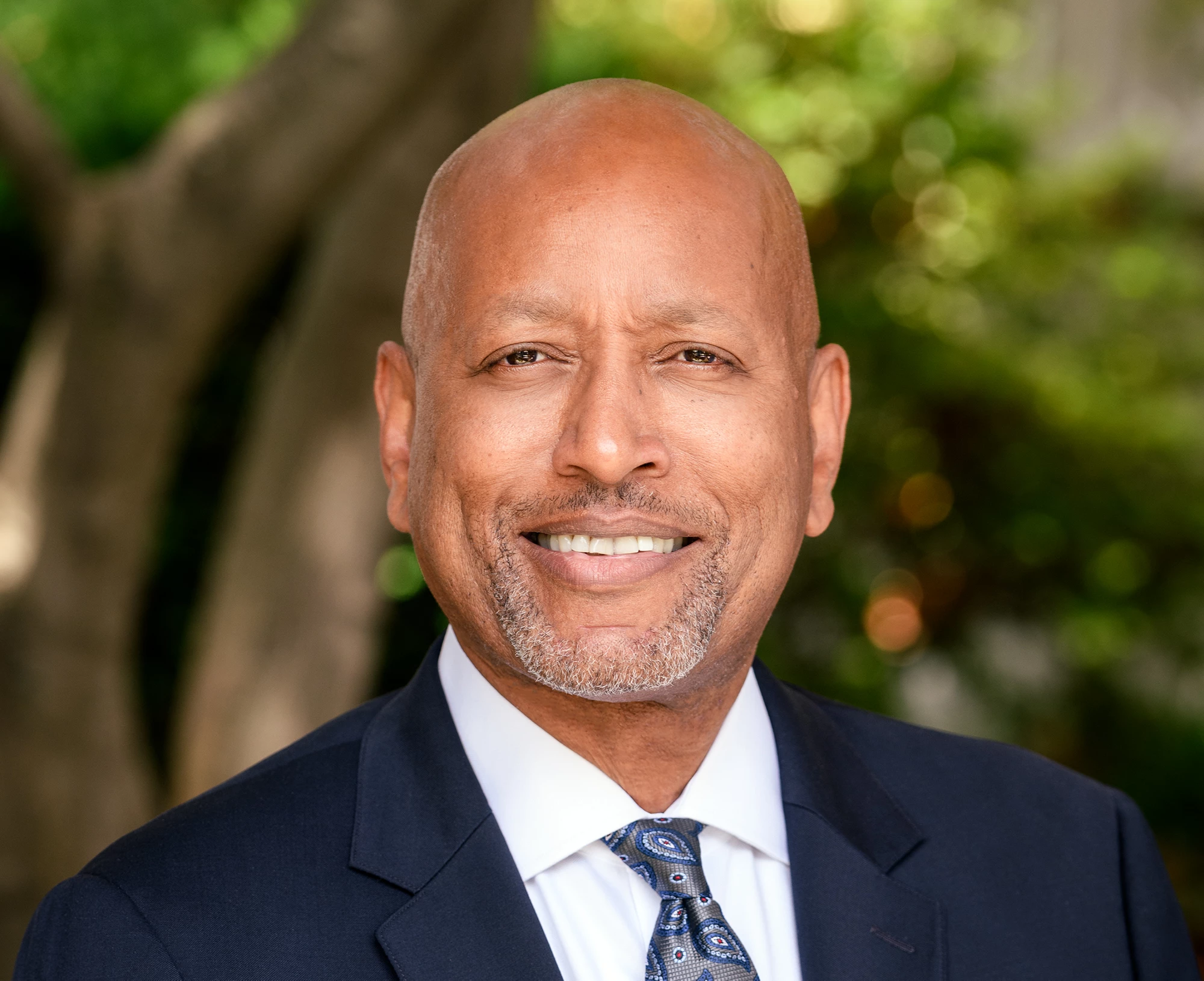
Ethiopis Tafara, IFC Vice President for Africa
(LVDE) — Expected in the country’s economic capital on 19 and 20 January 2026, the Africa Vice President of the International Finance Corporation (IFC) will undertake a strategic visit marked by the launch of Central Africa’s very first Credit Information Bureau—an initiative set to significantly transform access to finance across the CEMAC region.
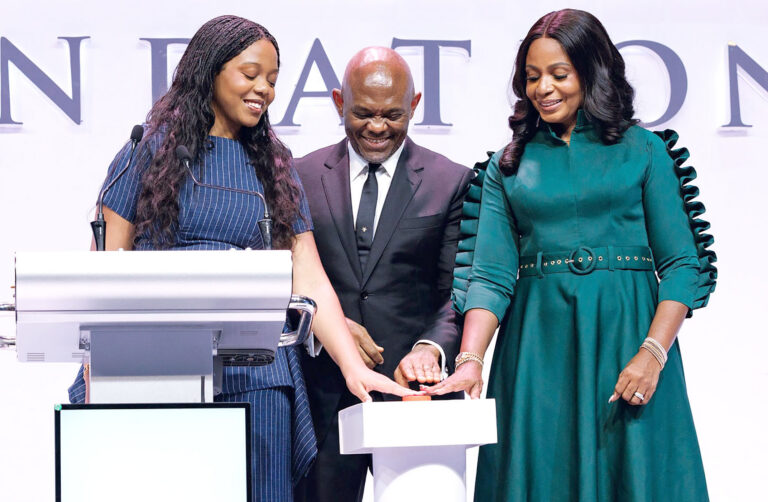
Douala is preparing to host a high-level visit with important implications for the future of financing in Central Africa. Ethiopis Tafara, Vice President for Africa at the International Finance Corporation (IFC), is due in the city on 19 and 20 January 2026. According to the World Bank Group, the visit forms part of a broader effort to strengthen support for the private sector, with a key highlight being the official inauguration of the region’s first Credit Information Bureau (CIB).
This new mechanism is designed to structure the credit market across the six CEMAC member states. By centralizing data on borrowers’ financial histories, the CIB will help reduce information gaps that currently hinder lending. Banks will gain access to more reliable data to better assess risk, which could ultimately lead to improved and more affordable financing conditions for both businesses and individuals.
Beyond the launch ceremony, the IFC executive’s agenda includes a series of high-level engagements. Meetings are planned with public authorities to discuss reforms conducive to investment, as well as with business leaders, banking executives, and young entrepreneurs. The aim is clear: to identify levers capable of stimulating innovation, boosting growth, and fostering job creation in a still-challenging economic environment.
The visit comes as the IFC continues to expand its footprint in Cameroon. The institution reports a portfolio of approximately CFA 169 billion in the country as of the end of March 2025 and plans to invest an additional CFA 300 billion by 2027. This expansion is accompanied by closer cooperation with local banks, particularly in strategic areas such as agri-finance, SME financing, renewable energy, and climate risk management.
Ethiopis Tafara’s professional background adds considerable weight to this visit. A former senior executive at the Multilateral Investment Guarantee Agency (MIGA), a former official at the U.S. Securities and Exchange Commission (SEC), and a lawyer trained at Princeton and Georgetown, he brings widely recognized expertise in promoting and securing international investment. His presence in Douala therefore sends a strong signal of the World Bank Group’s commitment to fostering a more dynamic and better-financed private sector in Central Africa.
Raphael Mforlem
À propos de l'auteur






 Raphael Mforlem