CAMEROON : According to SNH, oil and gas investments fall to CFAF 169.5 billion in 2023

 La voix des entreprises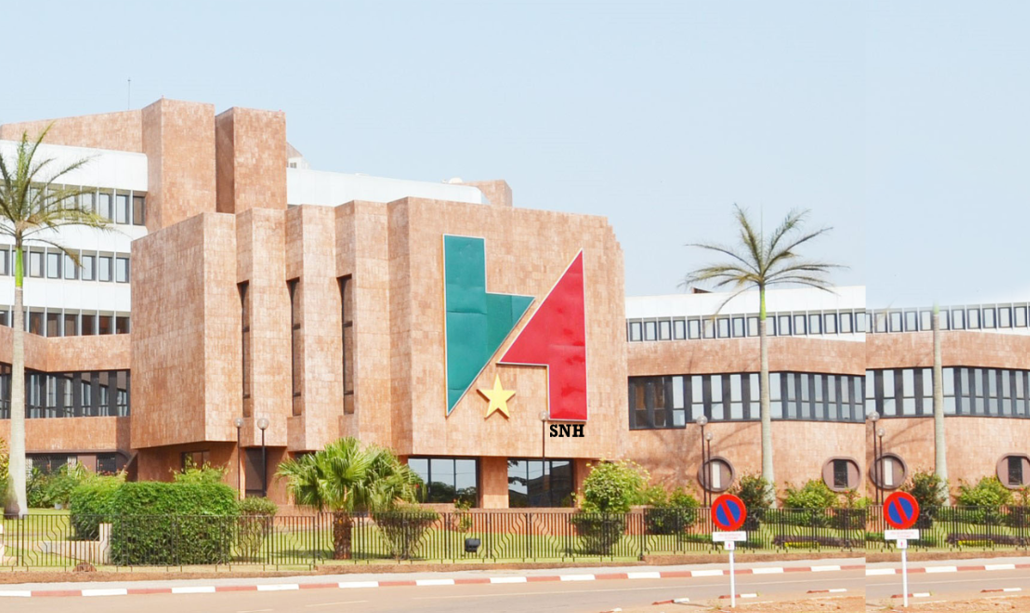
(LVDE) — Cameroon’s oil and gas sector experienced a significant slowdown in investment in 2023, according to the annual report of the National Hydrocarbons Corporation (SNH). Expenditures dropped to CFAF 169.5 billion, affecting both production and technical costs, in a context of increasingly mature fields and rising operating expenses.
The year 2023 marks a pause in the growth of oil and gas investment in Cameroon. According to the SNH annual report, capital expenditures in the sector stood at CFAF 169.5 billion, approximately USD 301 million, compared with CFAF 240 billion in 2022, representing a decline of nearly 30%. This drop ends several years of steady growth and reflects strategic choices by the main operators.
The contraction is particularly visible in the country’s two major production associations. The Iroko Association saw its investments fall by CFAF 32.8 billion, while Sanaga Sud recorded a decrease of CFAF 38.7 billion. The reduction in drilling programs and infrastructure expansion explains this trend, reflecting a refocusing of resources on projects considered priority or offering immediate returns.
This decline in investment has had a direct impact on unit technical costs. For producing oil fields, the average annual cost per barrel fell to USD 26.15, down from USD 31.55 the previous year, highlighting optimized spending but also a potential compression of exploration activities. In the gas sector, the effect is even more pronounced: for the Sanaga Sud Association, the unit technical cost dropped to USD 3.46 per barrel of oil equivalent, less than half of the USD 7.49 recorded in 2022, due to reduced investment in gas infrastructure.
Conversely, operating costs followed an upward trend. For oil, the unit cost slightly increased from USD 10.43 to USD 10.78 per barrel, due to a combination of higher operational expenditures and a slight decline in production. The gas sector showed a similar pattern, with Sanaga Sud reporting an operating cost of USD 1.82 per barrel of oil equivalent, up from USD 1.28 the previous year.
These developments reflect a mixed year for Cameroon’s hydrocarbon industry. While technical costs decreased thanks to limited investments, the maturity of existing fields and rising operating expenses put pressure on profitability. Operators now have to manage aging fields, higher operational costs, and greater demands to maintain production and competitiveness.
The SNH report highlights the sector’s growing challenges: balancing expenditure optimization, sustaining production, and preparing for future exploration phases in a context where efficiency and profitability are essential to ensure the sustainability of Cameroon’s oil and gas resources.
Tressy Chouente
À propos de l'auteur






 Raphael Mforlem