
CAMWATER : 200 new public standpipes announced for the first half of 2026

 La voix des entreprises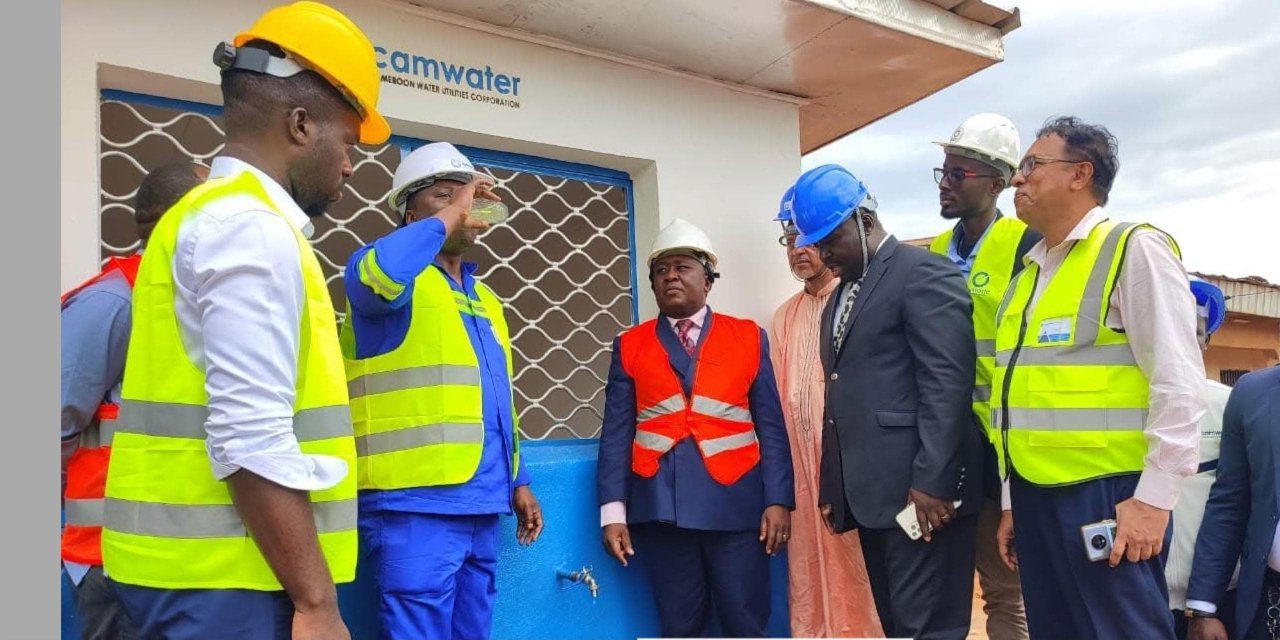
(LVDE) — Amid growing pressure on access to safe drinking water, CAMWATER has announced a new social outreach initiative involving the construction of 200 public standpipes. The program falls within the implementation of high-level presidential directives and aims to ease the burden on thousands of households nationwide.
In Ngaoundéré, where 76 public standpipes were commissioned in July 2023, communities are already seeing the tangible impact of these neighborhood facilities. Building on this experience, Cameroon Water Utilities Corporation is now preparing a new, nationwide phase of intervention. For the first half of 2026, the public utility plans to install 200 additional standpipes, in partnership with decentralized local authorities, to bring safe drinking water closer to households.
This momentum echoes the President of the Republic’s address to the nation on December 31, 2025, in which Paul Biya called for intensified rehabilitation and expansion of water supply networks. CAMWATER is thus positioning itself as an operational arm of this public policy, translating government guidelines into visible action across urban and peri-urban neighborhoods.
The announced allocation reflects a commitment to territorial equity. Yaoundé and Douala are each expected to receive 50 facilities, while ten standpipes are planned for each of the country’s regions, from the Far North to the South West. For many communities facing long distances to water points and recurring shortages, the prospect is being welcomed as long-awaited relief. The company’s technical teams have already been instructed to fast-track procedures to ensure a rapid start to works.
Beyond the immediate social emergency, the program complements major ongoing projects in the water sector. The standpipes will support network extensions and new connections currently underway, while also serving as an interim solution ahead of the full rollout of large-scale reconfiguration projects for the water supply systems of Yaoundé and Douala. Already, initiatives such as PAEPYS, PUMIP, and the forthcoming rehabilitation of the Japoma plant point to a more ambitious outlook for production and distribution.
Through this initiative, CAMWATER reaffirms its commitment to reducing inequalities in access to safe drinking water and responding to demographic growth. On the ground and in official statements alike, the public utility is striving to balance social urgency with a long-term vision. Raphael Mforlem
À propos de l'auteur