CAMEROON : Routd’Af Announces Gradual Payment of Outstanding Salaries to Employees
 La voix des entreprises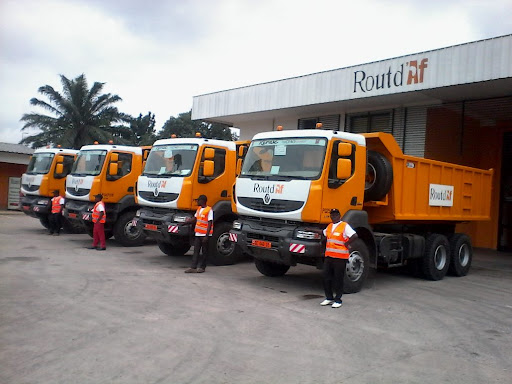
(LVDE) — Following the viral circulation of a video showing Routd’Af’s Managing Director confronted by angry employees, the construction company has responded by announcing a plan for the progressive settlement of unpaid wages. This initiative comes amid a challenging economic environment for the public works sector in Cameroon.
The tension has eased, but Routd’Af’s message continues to resonate across Cameroon’s construction industry. The widely shared video on social media, showing the vehicle of André Siaka, the company’s Managing Director, blocked by employees demanding their salaries, brought long-standing issues into public view. In a statement sent to our newsroom, Routd’Af acknowledged its responsibilities and expressed regret: “Our company is going through a period of cyclical economic challenges that negatively affect our social and economic performance. This situation has forced us to accumulate wage arrears. We consider this situation unacceptable and intolerable. We share the suffering experienced by our employees and their families,” the official document reads.
Founded in Douala on April 19, 2013, and commencing operations in 2014, Routd’Af aimed to become a major player in Africa’s public works sector by 2020. The company quickly secured its first contracts and contributed to key projects, including the repair of damaged infrastructure on the Manyaï River in 2016 and the replacement of culverts with box culverts along National Road No. 3, financed through the Ministry of Public Works’ Public Investment Budget at nearly 20 billion FCFA. By March 2025, Routd’Af had replaced about twenty of the 73 planned culverts, alongside other firms such as Razel, MAG Sarl, and Sorcipharm-Union Entreprise.
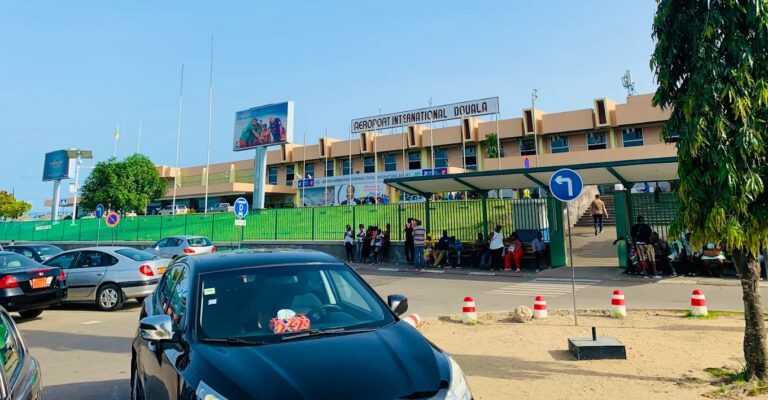
Beyond this project, Routd’Af has also been involved in the rehabilitation of the Mbalmayo-Sangmélima road (39.5 km, financed at approximately 7.75 billion FCFA), the renovation of certain roads in Douala V, and the construction of perimeter fences at Yaoundé and Douala international airports. While these projects demonstrate the company’s expertise, they have not prevented the accumulation of unpaid wages, a reflection of the economic challenges facing Routd’Af and many local sector players.
To address this, the company implemented a progressive payment plan in 2020 aimed at gradually settling its debt to 350 employees. “We remain fully committed to honoring our legal obligations regarding employee compensation and aim for full payment as soon as possible,” the management stated. This plan reflects the company’s determination to safeguard both its operations and its workforce, while highlighting the vulnerability of local firms in the face of large-scale projects.
Routd’Af’s difficulties extend beyond the company itself and raise broader questions about the development of Cameroon’s construction sector. The absence of a clear government strategy to transform local firms into players comparable in scale to international giants like Razel, Arab Contractors, or CHEC hinders the growth of domestic companies. In a context where most donor-funded projects are awarded to foreign enterprises, Routd’Af’s situation illustrates the limitations of a development model that struggles to strengthen national actors, even though they are essential for local economic growth and job security.
Nonetheless, Routd’Af seeks to be a symbol of resilience and commitment. If fully implemented, the arrears payment plan could serve as a model of responsible wage regularization and social management in a sector marked by constant financial pressure and international competition. Employee vigilance, government involvement, and internal reorganization will be critical to restoring the company’s stability and allowing it to continue pursuing its ambitions within Cameroon’s public works landscape.
Esther Grace
À propos de l'auteur




 Raphael Mforlem