
PORT OF DOUALA : Nearly CFA 244 Billion Budget Approved to Strengthen Competitiveness in 2026

 La voix des entreprises
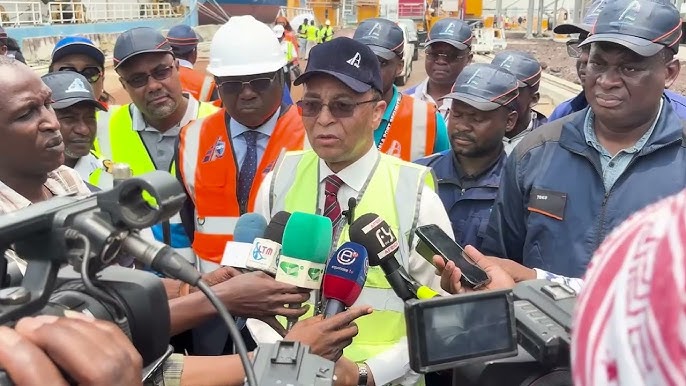
Cyrus Ngo’o, Douala Port Managing Director
(LVDE) — Meeting in Douala on December 22 and 23, 2025, the Board of Directors of the Port of Douala Authority (PAD) approved an ambitious budget for the 2026 financial year. Estimated at nearly CFA 244 billion, this financial envelope reflects the port authority’s determination to consolidate its performance, modernize its infrastructure, and support the growth of maritime trade in Cameroon and the sub-region.
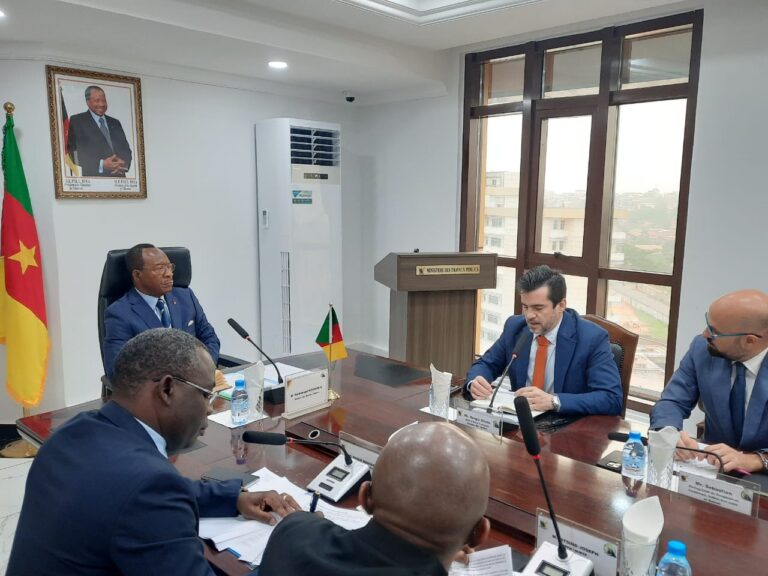
A palpable sense of momentum filled the Douala Maritime Business Center, where the 127th and 128th ordinary sessions of the PAD Board of Directors were held. Over two days, Board members, under the chairmanship of Shey Jones Yembe, reviewed key files expected to shape the future of the country’s main maritime economic hub.
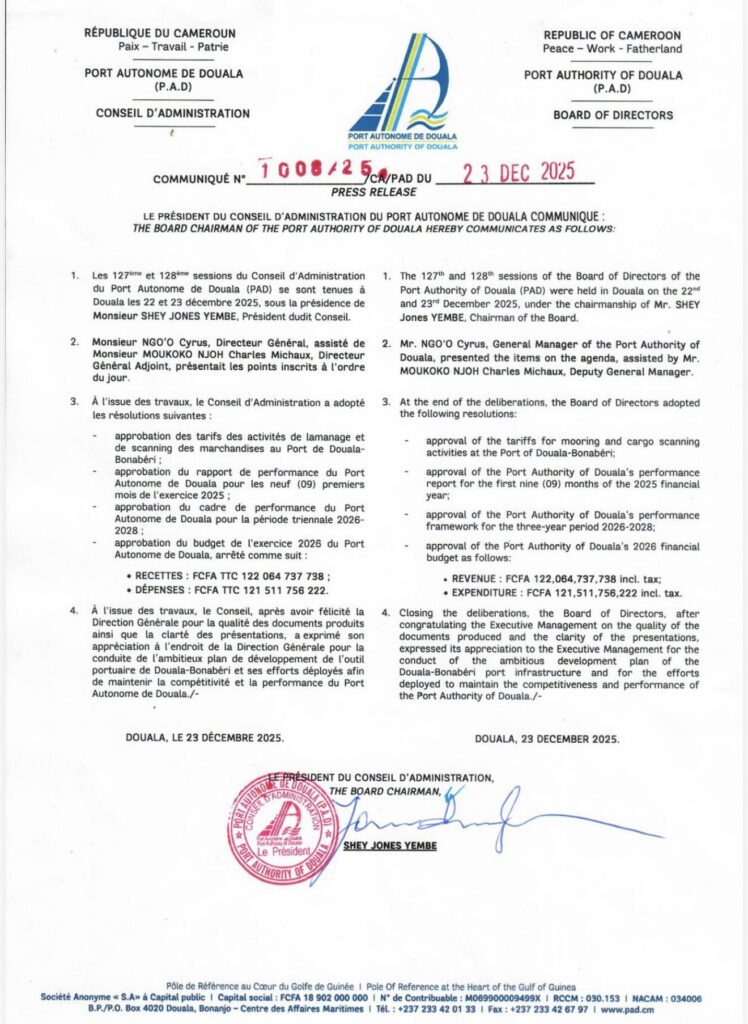
At the opening of the sessions, PAD Managing Director Cyrus Ngo’o, accompanied by his Deputy Managing Director Charles Michaux Moukoko Njoh, outlined the strategic priorities and major issues on the agenda. Discussions culminated in the adoption of the 2026 budget, set at CFA 243.576 billion, broken down into CFA 122.064 billion in revenue and CFA 121.511 billion in expenditure, thereby ensuring the company’s financial balance.
Beyond the figures, the budget signals a clear commitment to modernization and the continuous improvement of port services. In particular, the Board approved new tariffs for mooring and cargo scanning activities at the Douala-Bonabéri port, a key measure aimed at enhancing the efficiency and security of operations. The performance report covering the first nine months of 2025 was also validated, providing a detailed assessment of results achieved and areas requiring further effort.
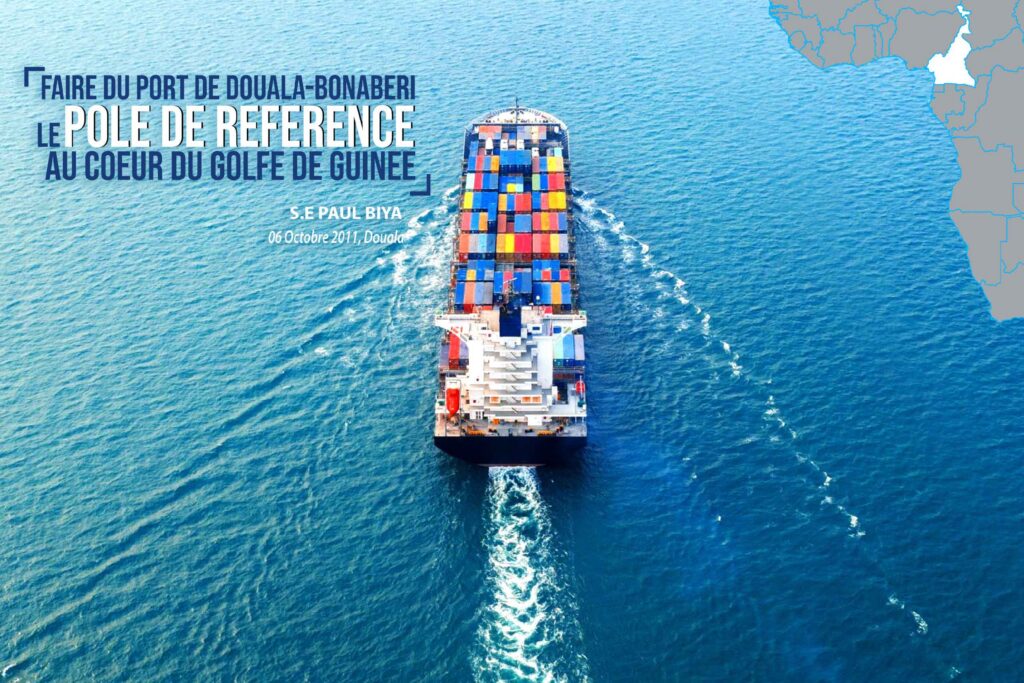
Another major decision was the adoption of the 2026–2028 performance framework, which sets out the objectives and indicators guiding PAD’s medium-term action. This roadmap comes at a time of rising trade flows and underscores the need to align port infrastructure with international standards.
At the close of the sessions, Board members commended the quality of the documents submitted and the clarity of the presentations, highlighting the thorough preparatory work carried out beforehand. They also emphasized the importance of the development plan driven by the General Management, considered crucial to sustaining the port’s competitiveness in the face of regional challenges.
As Cameroon’s main maritime gateway, the Port of Douala thus reaffirms its strategic role in national economic development. By focusing on targeted investments, diversifying its activities, and improving cargo handling capacity, PAD aims to establish itself sustainably as a leading port reference in Central Africa, in the service of growth and regional integration.
Raphael Mforlem
À propos de l'auteur