
CAMEROON : More Than 200 Companies Mobilized to Transform the Road Network Between 2021 and 2025

 La voix des entreprises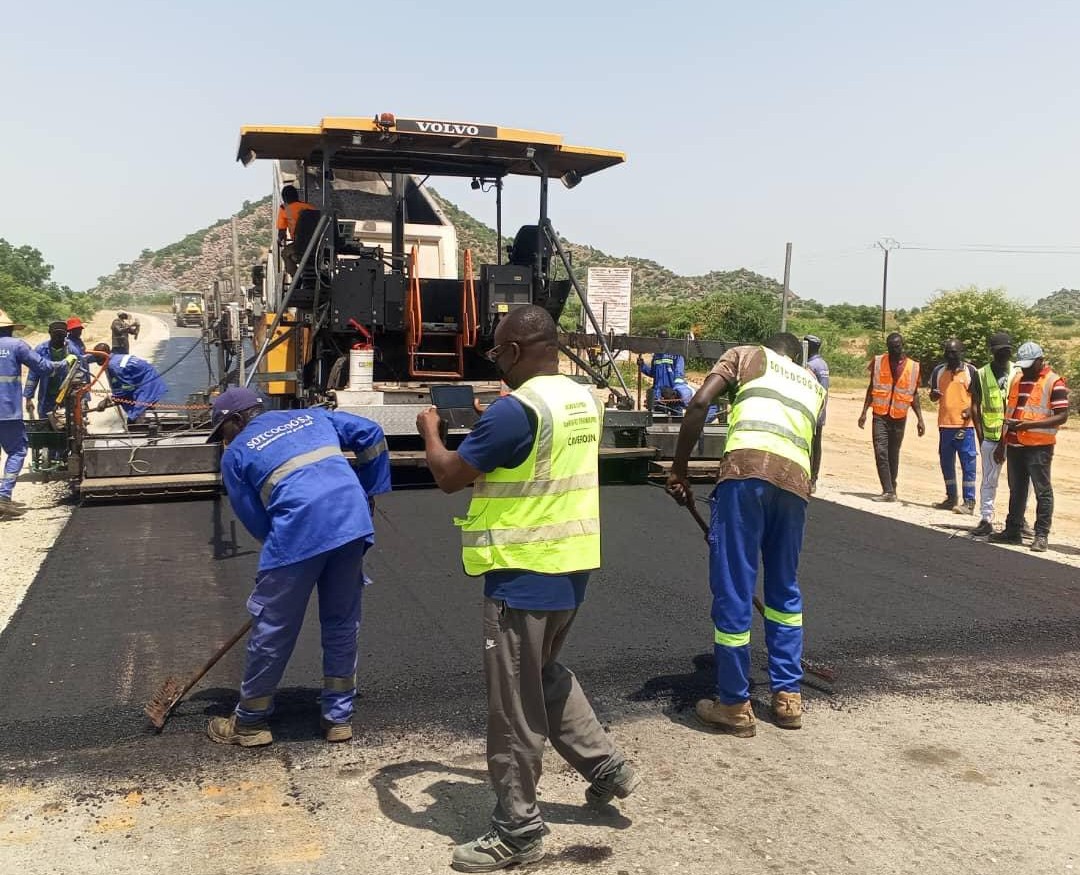
(LVDE) — From asphalt paving and maintenance of strategic corridors to technical studies and works supervision, Cameroon’s road sector has experienced intense activity in recent years. Between 2021 and 2025, the Ministry of Public Works (MINTP) awarded contracts to 214 national and international companies under a regulatory framework presented as rigorous and transparent.
On Cameroon’s road construction sites, machinery does not operate alone. Behind every maintained stretch, every newly built or rehabilitated road, there is a structured administrative and technical system. According to official data from the Ministry of Public Works, no fewer than 214 companies were selected between 2021 and 2025 to carry out road projects across the country.
These contracts cover a wide range of interventions: routine and periodic maintenance works, construction of new infrastructure, low-cost paving operations, preliminary studies, control and supervision missions, as well as the supply of stabilizing products and specialized equipment. Local companies therefore work alongside major international groups, illustrating the diversity of stakeholders involved in modernizing the road network.
Contrary to recurring criticism, the authorities maintain that contract awards follow strict rules. The process begins with project preparation and continues through planning, publication of calls for tenders or expressions of interest, and the public opening of bids. Applications are then reviewed from administrative, technical, and financial perspectives by authorized committees, before proposals are made and contracts definitively awarded. On average, bid evaluations are completed within a regulatory timeframe of about 21 working days.
Several key players are involved in the process: the contracting authority or its delegate, procurement commissions, and regulatory bodies—foremost among them the Public Contracts Regulatory Authority (ARMP). Their role is to ensure fairness, transparency, and compliance with the applicable regulations.
Since 2018, the electronic platform COLEPS has strengthened this framework. By digitizing all procedures, it ensures traceability of operations, equal access to information, and limits the risk of fraud. This is complemented by the categorization of construction and public works (BTP) companies, which determines access to contracts based on technical, human, and financial capacities.
Within this context, the Ministry of Public Works has signed contracts with numerous service providers, including Cameroonian SMEs and well-known international groups such as Razel Cameroun, Arab Contractors, China First Highway Engineering Company, China Harbour Engineering Company, EGIS Cameroun, and Kiama SA. According to the authorities, this momentum reflects the country’s determination to develop sustainable road infrastructure while upholding the principles of good governance.
Raphael Mforlem
À propos de l'auteur