ART : Board of Directors approves a budget of over CFA 77 billion for 2026

 La voix des entreprises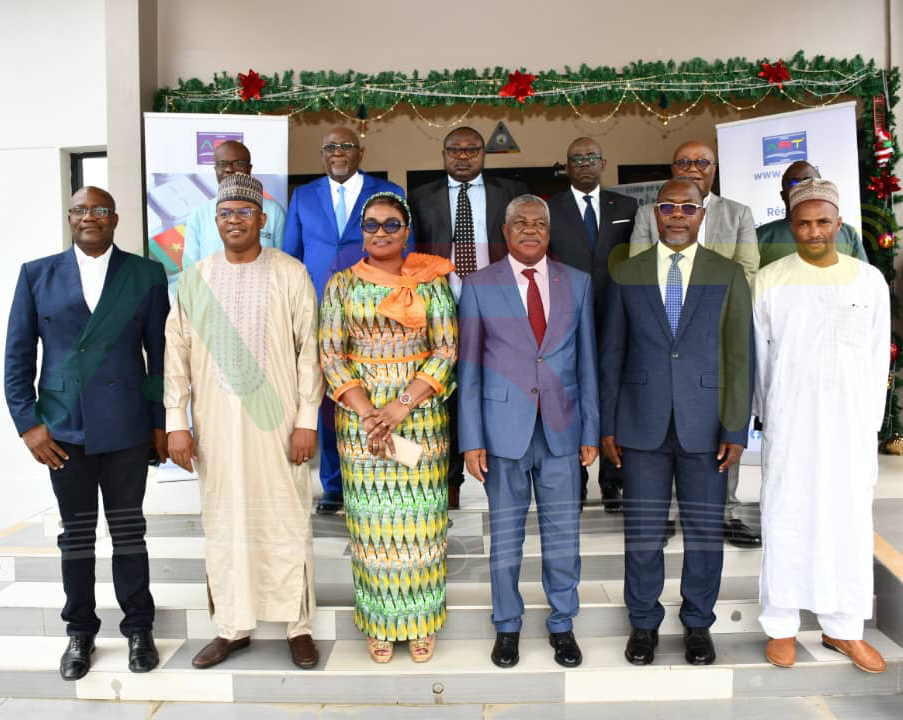
(LVDE) – During its meeting of December 9 and 10, the Board of Directors of the Telecommunications Regulatory Agency (ART) approved its action plan for 2026, increasing the budget by around CFA 3 billion compared with the previous year, to reach CFA 77.5 billion.
On December 9 and 10, the Board of Directors of the Telecommunications Regulatory Agency (ART) met to finalize its action plan for the year 2026. Against a backdrop of steadily growing telecommunications needs, board members decided to raise the budget to CFA 77.5 billion. This represents a 5.4% increase compared with the CFA 73 billion budget set for 2025. The new allocation exceeds the previous year’s budget by nearly CFA 3 billion, reflecting ART’s commitment to strengthening its operational capacity.
Justine Diffo, Chair of the Board of Directors, emphasized that the 2026 budget includes strategic projects aimed at modernizing the country’s telecommunications infrastructure. These include the acquisition of monitoring and management equipment, which is essential for the deployment of advanced technologies such as 5G and satellite internet. In addition, the expansion of the equipment certification laboratory and the strengthening of staff skills are also top priorities.
The decision to increase the budget is all the more significant given the major financial challenges facing ART. During the meeting, the Board expressed concerns over outstanding debts owed to the agency, particularly by telecommunications operators such as Camtel and Viettel Cameroon. These arrears amount to approximately CFA 30 billion, mainly consisting of unpaid royalty fees and penalties awaiting settlement.
The launch of debt recovery, announced last April, is expected to help improve ART’s financial situation and secure the resources needed for its development initiatives. The success of this process will be crucial to ensuring funding for the ambitious projects planned for the coming year.
The 2026 budget thus symbolizes not only a drive for innovation, but also the need for rigorous resource management. The planned investments are also expected to have a direct impact on the quality of telecommunications services, as experienced by end users. By focusing on modern equipment and human capital, ART aims to position itself as a key player in the country’s digital transformation.
In this way, the Board of Directors’ meeting marks an important milestone in the development of telecommunications in Cameroon, paving the way for more effective regulation and stronger support for technological innovation. ART appears determined not only to manage, but also to anticipate the future of telecommunications in a rapidly evolving landscape.
Raphael Mforlem
À propos de l'auteur





 Raphael Mforlem