CENTRAL AFRICA : BEAC Tightens Access to Credit to Preserve Foreign Exchange Reserves

 La voix des entreprises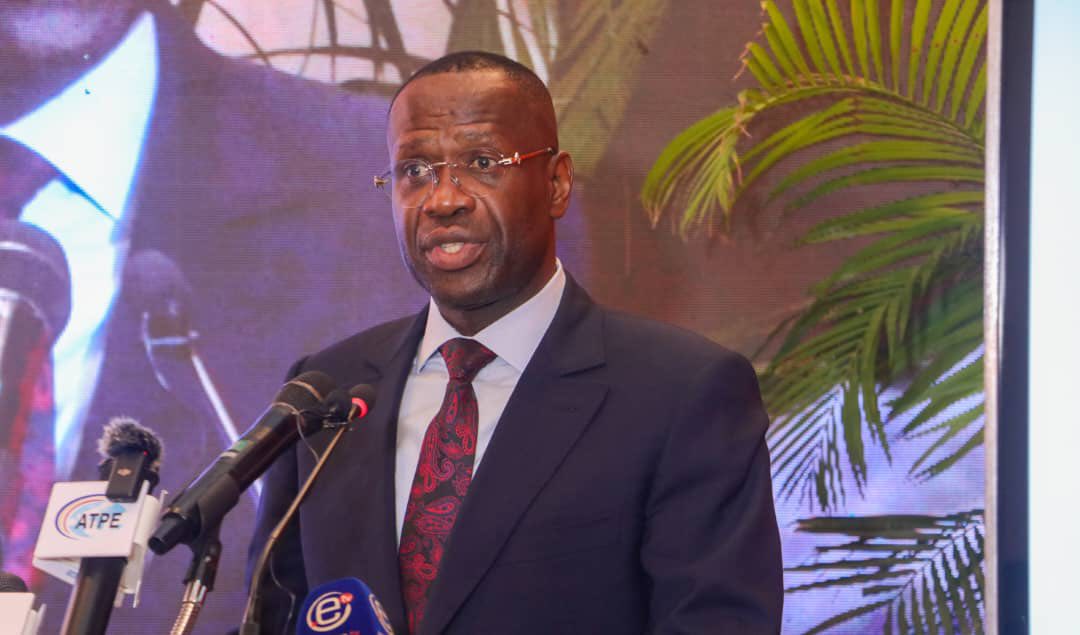
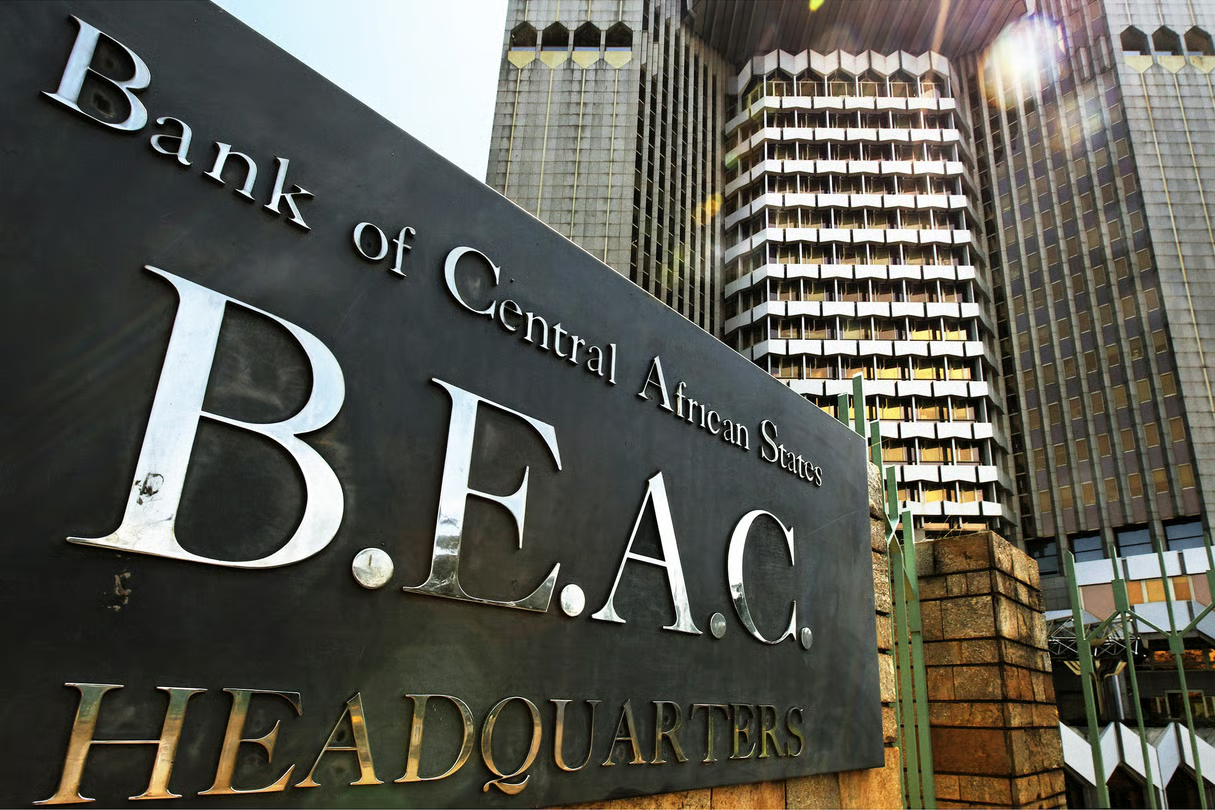
(LVDE) — The Bank of Central African States (BEAC) has decided to raise its policy rates by 25 basis points in order to counter the worrying decline in its foreign exchange reserves, following a meeting of the Monetary Policy Committee (MPC) held on December 15, 2025 in Yaoundé.
Yaoundé, December 15, 2025. The Bank of Central African States (BEAC) has taken a significant step by increasing its two main policy rates by 25 basis points, signaling a return to a tighter monetary policy stance. The decision was adopted during the final Monetary Policy Committee meeting of the year, amid growing concerns over the economic stability of the region.
Specifically, the interest rate on liquidity auctions (TIAO) has been raised from 4.5% to 4.75%, while the marginal lending facility rate—applied to short-term liquidity provided to commercial banks—has increased from 6% to 6.25%. This move is intended to make refinancing more costly for banks, inevitably leading to higher interest rates on loans granted to economic agents.
The decision is part of a monetary tightening cycle that began in late 2021. Although monetary authorities temporarily lowered rates in March 2025 to stimulate economic activity, BEAC now considers it necessary to restrict access to financing due to an alarming erosion of foreign exchange reserves, which are expected to decline by 2.6% by year-end. Reserves are projected at CFAF 6,377.3 billion, equivalent to 4.2 months of imports, compared with 4.9 months the previous year.
BEAC Governor Yvon Sana Bangui explained that the measure is not aimed at curbing inflation—which currently stands at 2.2%, below the 3% tolerance threshold—but rather at preserving the region’s foreign exchange reserves. Most bank financing in the CEMAC zone, comprising Cameroon, Congo, Gabon, Equatorial Guinea, Chad and the Central African Republic, is directed toward large-scale imports, which contributes to the depletion of foreign currency reserves.
Foreign exchange reserves, which are essential for financing imports, are centralized in a single account under agreements with France, enabling the collective financing of goods and services. However, any pressure on these resources exposes the entire region to significant liquidity strains. Should the situation worsen over an extended period, a monetary adjustment—such as a devaluation—could become unavoidable if reserves fall to a level deemed critical.
The BEAC governor acknowledged that the state of foreign exchange reserves warranted a rise in policy rates to curb imports, but opted for a measured adjustment. “We cannot overlook the need to revive growth, which remains weak. In 2025, it is estimated at just 2.4%, following a slight slowdown compared to 2024,” he said. This delicate balance between financial tightening and growth support remains a key challenge for policymakers in the CEMAC zone as they navigate an unstable economic environment.
Tressy Chouente
À propos de l'auteur







 Raphael Mforlem