CAMEROON : The CDHC Sounds the Alarm and Calls for Stronger Protection of Human Rights
 La voix des entreprises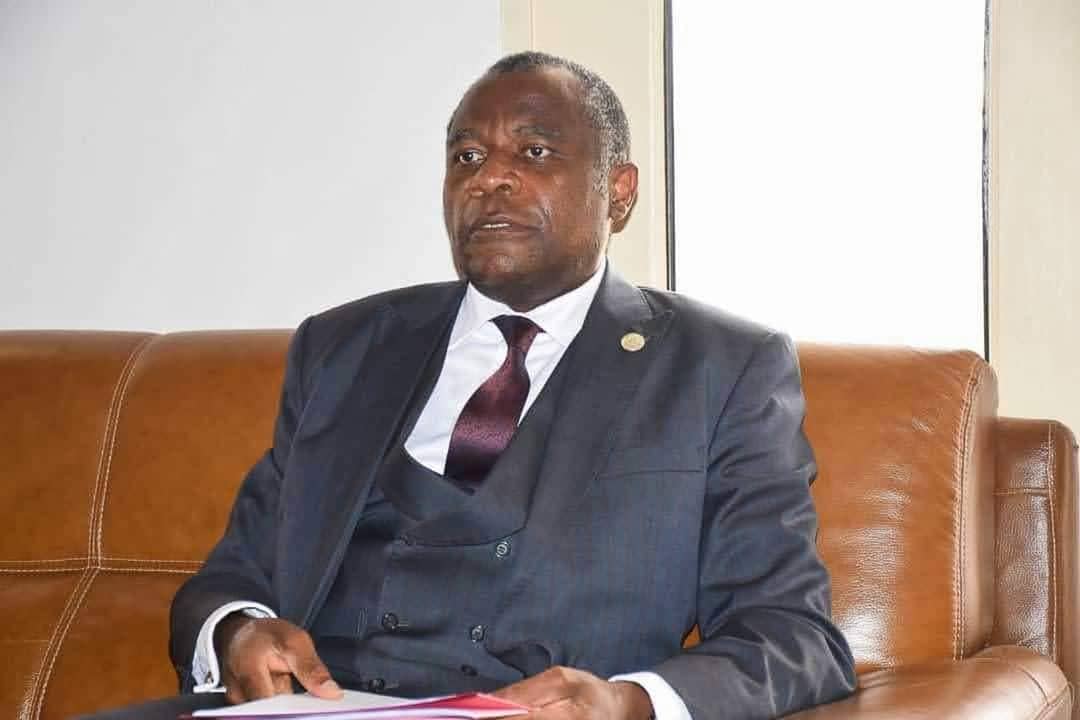
Prof. James Mouangue Kobila, President of the CDHC
(LVDE) – On the occasion of the 77th International Human Rights Day, celebrated on 10 December 2025, the President of the Cameroon Human Rights Commission (CDHC), Professor James Mouangue Kobila, delivered a powerful statement. Combining assessment, security concerns, and notable progress, the CDHC urges all stakeholders—public institutions, private actors and citizens—to step up their engagement in making human rights a daily compass at a time when the country is navigating a sensitive period.
In Cameroon, this year’s International Human Rights Day carries particular significance as the country emerges from post-electoral tensions and prepares to enter a new political phase. In a declaration published on 10 December 2025, the President of the CDHC, Prof. James Mouangue Kobila, stresses from the outset that “human rights are not abstract concepts; they are our essentials for everyday life.” This reminder echoes the theme chosen by the United Nations for the 2025 edition: “Human rights, our everyday essentials.” The concept serves as the guiding thread of a substantial statement, grounded in recent observations and pressing alerts.
Over the past months, the Commission has multiplied its interventions. It highlights the efforts made to integrate human rights into daily life, particularly the MINJEC initiative of 17 September 2025 in Yaoundé—a national dialogue on peace that brought together local actors and members of the diaspora connected online. The aim was to prevent fractures just days before the International Day of Peace.
Yet the security situation remains concerning. On the eve of the 2025–2026 school year and the presidential election of 12 October 2025, a special assessment led by the Minister of Defence had already sounded the alarm: attacks on pupils, teachers and schools, kidnappings for ransom, and threats against security forces. According to the CDHC, these realities illustrate how fragile the rights to education, security and physical integrity remain.
The President of the Commission also highlights an urgent issue: the handling of individuals arrested following the post-election violence. As the National Mechanism for the Prevention of Torture, the CDHC visited all relevant custody facilities on 2, 12, and 13 November 2025, and again on 8 December. Some individuals had been released, others transferred to Yaoundé Central Prison. However, one tragedy cast a shadow over the situation: the death of Anicet Ekane on 1 December while in custody. The Commission welcomes the opening of an investigation and affirms that it “is ensuring respect for the right to a fair trial.”
Beyond individual cases, the CDHC asserts a stronger role on the African stage. Its participation in the 35th session of the African Committee of Experts on the Rights and Welfare of the Child, held from 26 November to 5 December 2025 in Maseru, reflects its commitment to strengthening oversight of the rights of the most vulnerable. Prof. Mouangue delivered a presentation there on the role of national institutions in implementing the Committee’s recommendations.
No report would be complete without mentioning the case of the five election observers from the NGO Un Monde Avenir, arrested on 12 October in Ngaoundéré 3rd. Lacking accreditation, they had been placed in police custody. CDHC interventions secured their release on 14 October, followed by that of their guarantor on 12 November.
In closing, the Commission calls for “stepping up efforts”: public administrations, local authorities, NGOs, technical partners, the private sector and citizens are urged to view the fulfilment of human rights as a shared responsibility. In a Cameroon seeking stability, the appeal resonates both as a warning and a hope—the hope that each right may finally become a truly lived daily essential.
Esther Grace
À propos de l'auteur






 Raphael Mforlem