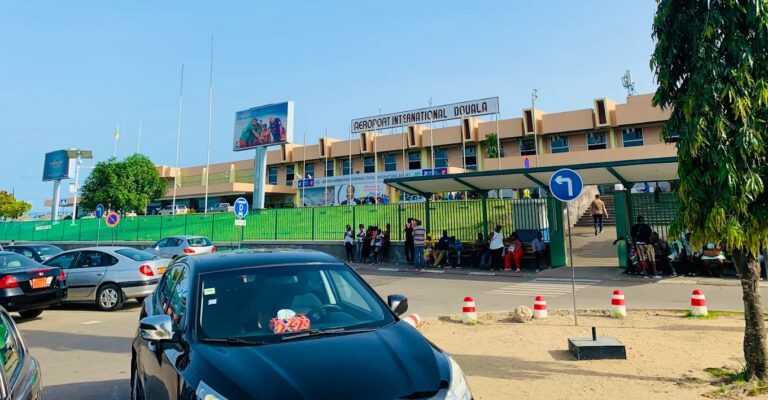
DIGITALIZATION OF PORT PROCEDURES : The Douala Port Authority adopts “Smart Port” solutions
 La voix des entreprises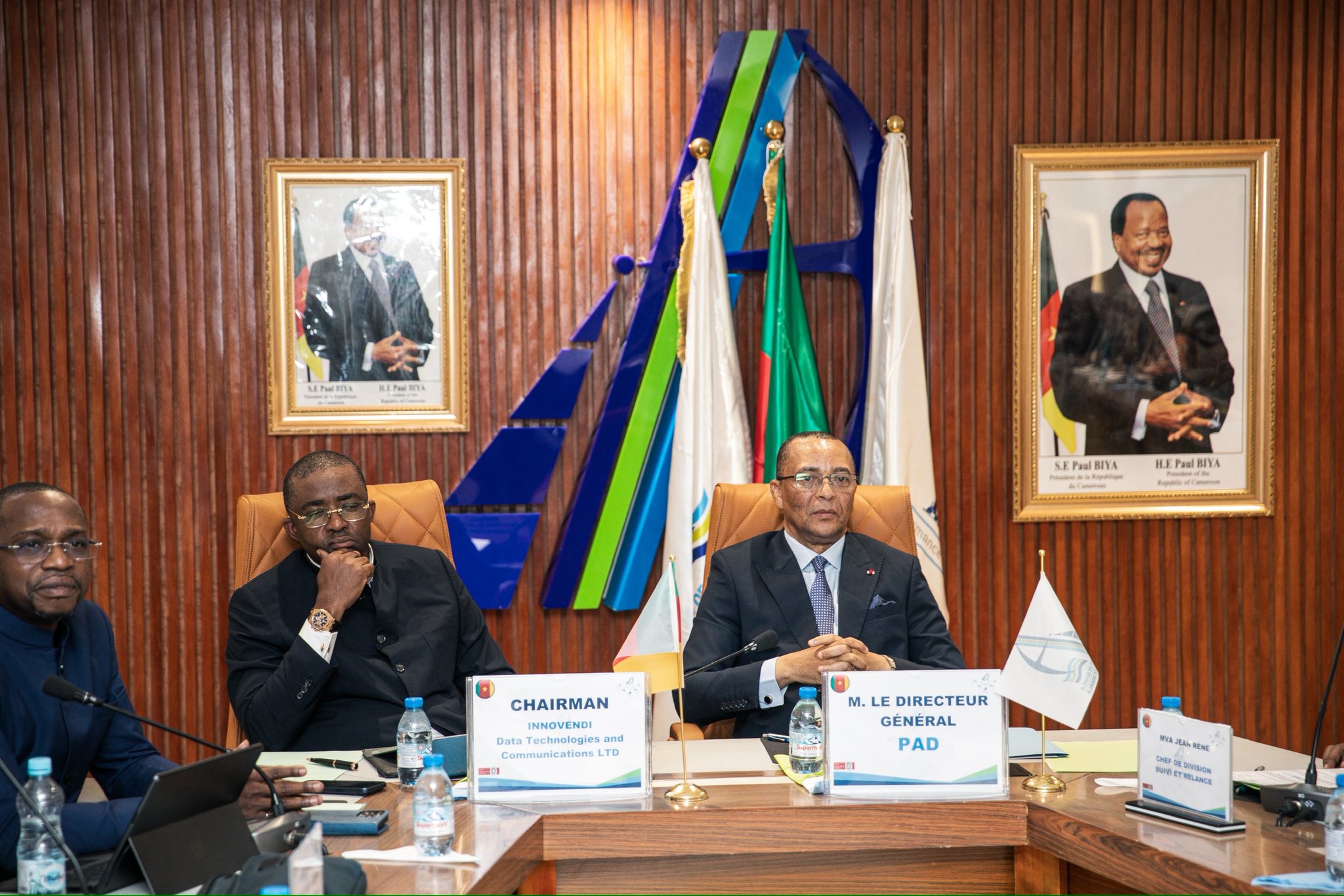
(LVDE) – With the aim of modernizing its operations, the Douala Port Authority (PAD) signed a strategic partnership with the company Innovendi on November 17, 2025. This agreement seeks to transform the Port of Douala-Bonabéri into a key Smart Port player in Africa through the implementation of a state-of-the-art 4G/5G network and innovative solutions.
The Douala Port Authority (PAD) has long been at the heart of maritime trade in the region, and today, it is ready to accelerate its entry into the digital age. On November 17, 2025, a meeting held in Bonanjo, in Cameroon’s economic capital Douala, marked a decisive turning point for the port institution. The PAD’s Director General, Cyrus Ngo’o, and Innovendi’s Chairman and CEO, Joël Monefong, signed an agreement to deploy a 4G/5G network and Smart Port solutions, reinforcing the port’s ambition to become one of the most modern in Africa.
This ambitious project, fully financed by Innovendi and its partners, introduces a hybrid 4G/5G infrastructure combining IoT solutions, edge cloud technology, advanced cybersecurity tools, and intelligent interfaces. The agreement also includes a financial compensation framework comprising an entry fee, fixed charges, variable charges, and other exemptions in accordance with current port regulations. This public-private partnership model ensures mutually beneficial collaboration and strengthens a genuine “win-win” dynamic.
The project is part of a well-defined modernization strategy aimed at optimizing the port’s operational performance while reducing transit times. With the increase in maritime traffic and growing competition within the Gulf of Guinea, enhancing the attractiveness of the Port of Douala-Bonabéri has become essential. New technologies will enable port stakeholders to improve their efficiency, as highlighted by a recent study showing that integrating digital solutions in ports can reduce cargo processing times by up to 30%.
Beyond its operational advantages, this partnership also brings significant social and economic benefits. The project is expected to create both direct and indirect jobs while offering training opportunities for young local talent. Moreover, the involvement of Cameroonian SMEs in implementing the technologies helps foster a dynamic ecosystem around the port.
Beyond the numbers, the digital transformation of the Douala Port Authority demonstrates a commitment to aligning with international Smart Port standards. Such infrastructure goes beyond digitalization alone; it also encompasses sustainability and efficient resource management. Developing a smart port could strengthen real-time supply flows, enhance operational transparency, and improve integrated logistics throughout the supply chain.
Through this agreement, the PAD reaffirms its ambition to position itself as the leading logistics hub in the Gulf of Guinea. This project—which aims to elevate the Port of Douala-Bonabéri to international standards—could well make it an exemplary model for other ports in the region, ushering in a new era for the African maritime sector. Ultimately, the digitalization of port procedures at the PAD reflects Cameroon’s commitment to meeting the challenges of an ever-evolving maritime market while preparing the future of its maritime trade.
Raphael Mforlem
À propos de l'auteur








 Raphael Mforlem