HUMAN RIGHTS AND BUSINESS : Cameroon strengthens the integration of UN principles in natural resource exploitation
 La voix des entreprises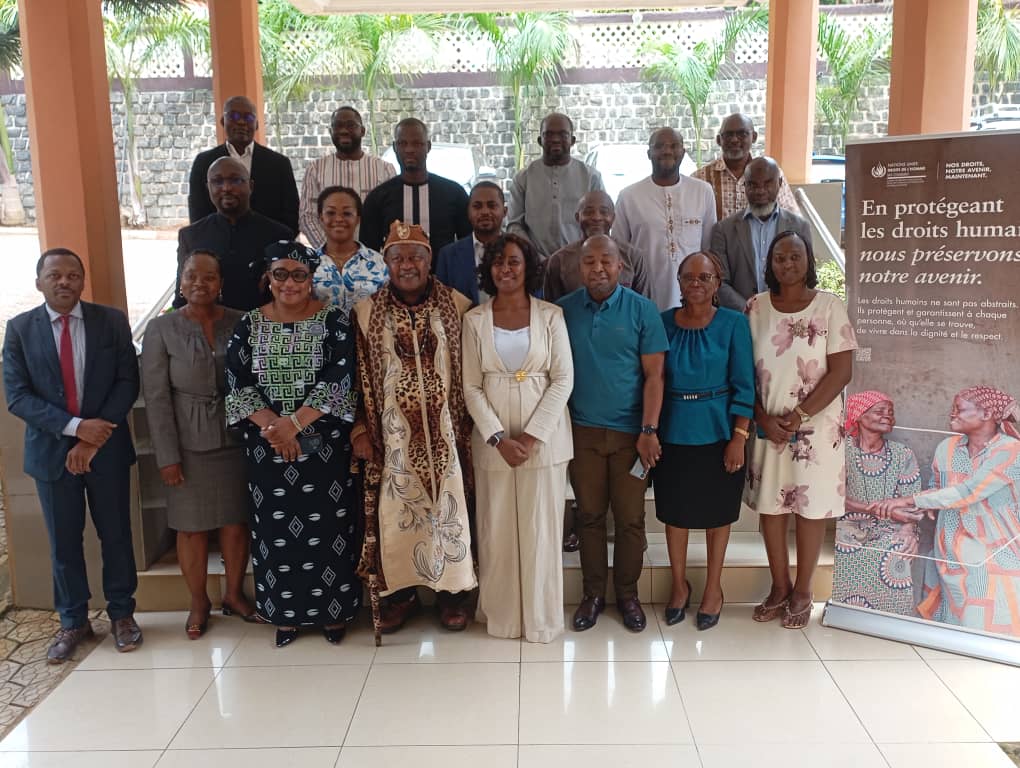
(LVDE) In partnership with the Government of Cameroon, the United Nations Centre for Human Rights and Democracy in Central Africa (UNCHRD-CA) organized on 12 November 2025 in Mbankomo a workshop aimed at integrating the United Nations Guiding Principles on Business and Human Rights into key sectors of natural resource exploitation.
Cameroon has taken a new step in integrating human rights into the business sector through a strategic workshop organized by the United Nations Centre for Human Rights and Democracy in Central Africa (UNCHRD-CA) in collaboration with the government. The meeting, held on 12 November in Mbankomo, sought to strengthen the implementation of the UN Guiding Principles on Business and Human Rights (UNGPs) in crucial sectors such as forestry, mining, agro-industries, and major infrastructure projects.
This workshop forms part of an ongoing assessment of the UNGPs and aims to review progress achieved while identifying persistent challenges. According to Nadine Mballa Wilson, Human Rights Officer at UNCHRD-CA, this event responds to critical issues identified during previous national assessments. “The discussions highlighted significant findings in the mining and environmental sectors, as well as in infrastructure projects. These elements provide a basis for identifying both challenges and opportunities regarding the integration of human rights in business practices,” she stated.
The participation of local communities, often affected by natural resource exploitation, was at the heart of the discussions. Majesté Mvondo Bruno, traditional chief of Minkok-Bityli and President of the Network of Traditional Leaders of Africa for Sustainable Biodiversity Management, reiterated the importance of collaborative resource management. “This workshop gives us an opportunity to assess how companies respect human rights. As a representative of the communities, I emphasize the need for tools that would enable populations to defend their rights and understand how to secure investments for sustainable development,” he declared with conviction.
Beyond community engagement, the workshop underscored the importance of establishing effective dialogue between the private sector, public actors, and local populations. This participatory approach aims to ensure a balance between economic development and respect for human rights. The challenges identified during the discussions reflect a concerning reality: the need to strengthen transparency and corporate accountability in their activities.
The initiative is part of Cameroon’s efforts to comply with international standards on the responsible management of natural resources. The country is striving to ensure governance that respects human rights while balancing economic, ecological, and social interests. As the world moves toward greater awareness of environmental and social issues, Cameroon is positioning itself as a potential model in the integration of these principles.
The coming months will be crucial in determining whether these initiatives will have a tangible impact on the ground. The success of this approach will depend on the genuine commitment of all stakeholders, including companies, to respect and promote human rights in a rapidly evolving economy. Through this effort, Cameroon aims not only to protect its citizens but also to become a key actor on the international stage regarding sustainable development and respect for human rights in natural resource exploitation.
Esther Grace
À propos de l'auteur




 Raphael Mforlem