BABADJOU–BAMENDA ROAD : Toward the Implementation of Bituminous Concrete on the École des Champions–Amour Mezam Section

 La voix des entreprises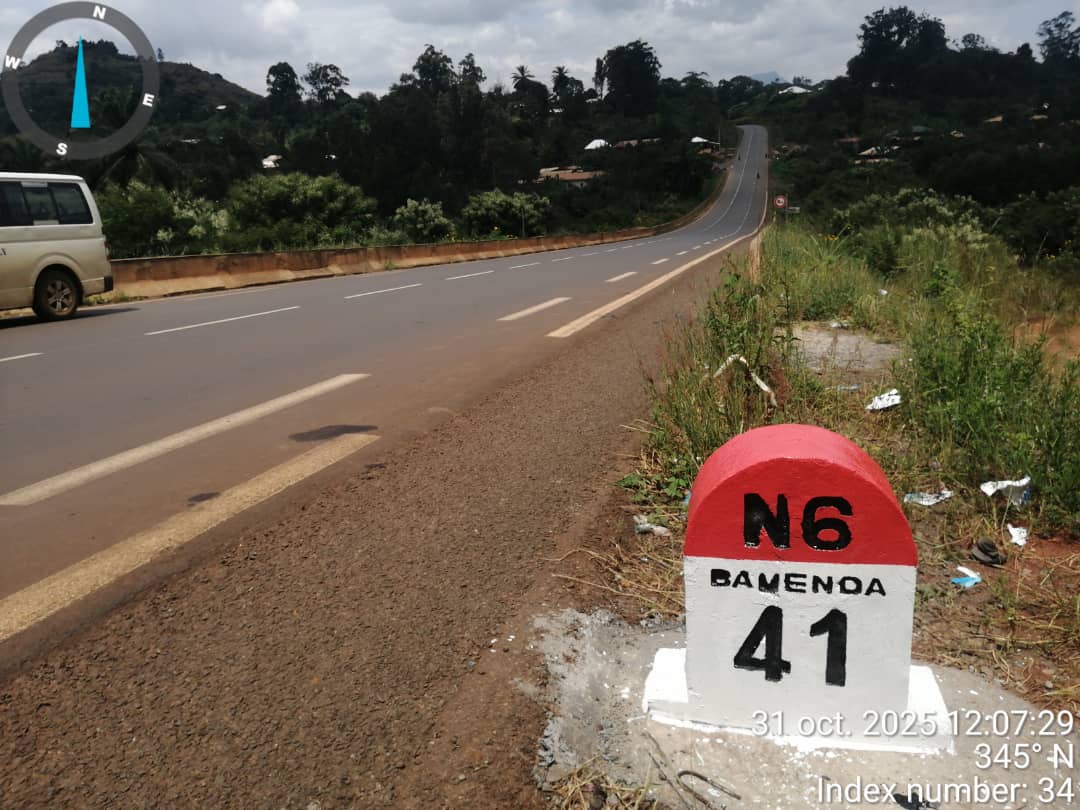
(LVDE) – In November 2025, works on the Babadjou–Bamenda road are progressing steadily, with Lot 4 reaching a 64% completion rate. The upcoming implementation of bituminous concrete marks a key phase, promising a significant improvement to this vital transportation corridor.
At the heart of Cameroon’s road infrastructure projects, the Babadjou–Bamenda road is undergoing major transformation. Since early November 2025, Lot 4 — connecting École des Champions to Amour Mezam — has recorded a strong execution rate of 64%. This 5.5 km section is preparing to enter the crucial phase of bituminous concrete laying, which will begin as soon as weather conditions allow.
Overall, the project shows a combined progress rate of 88.5% for Lots 1 and 4, including all adjustments. Specifically, Lot 1, stretching over 17 km between Babadjou and Matazem, is already completed, with final inspection works currently underway. This development represents a major step forward for users of this essential route, long affected by deteriorating road conditions.
On Lot 4, several critical milestones have been achieved. Preliminary works — including site setup and required studies — are 98% complete. The various pavement layers (formation, foundation, priming, and base course with bituminous gravel) have all been installed, providing a solid base for the final surfacing. Drainage infrastructure, vital for road durability, is also progressing rapidly with 11,470 linear meters of gutters completed out of 11,700. Additionally, seven prefabricated culverts have been installed, and 10.675 km of curbs out of a total of 11 km are now in place.
As preparations for the bituminous concrete phase intensify, the construction company is mobilizing teams and materials for this decisive stage. Road marking and horizontal signage are also being prioritized to ensure user safety along this increasingly crucial route for regional development.
These project milestones, backed by significant investment, reflect the government’s commitment to improving road infrastructure, thereby facilitating transport and trade between Babadjou and Bamenda. Ultimately, this road development will contribute to smoother traffic flow, shorter travel times, and improved living conditions for local populations. The project’s completion is eagerly anticipated, not only by road users but also as a milestone in strengthening the region’s economic integration.
Raphael Mforlem
À propos de l'auteur







 Raphael Mforlem