NAMIBIA : The Country strengthens domestic revenue with support from the African Development Bank

 La voix des entreprises
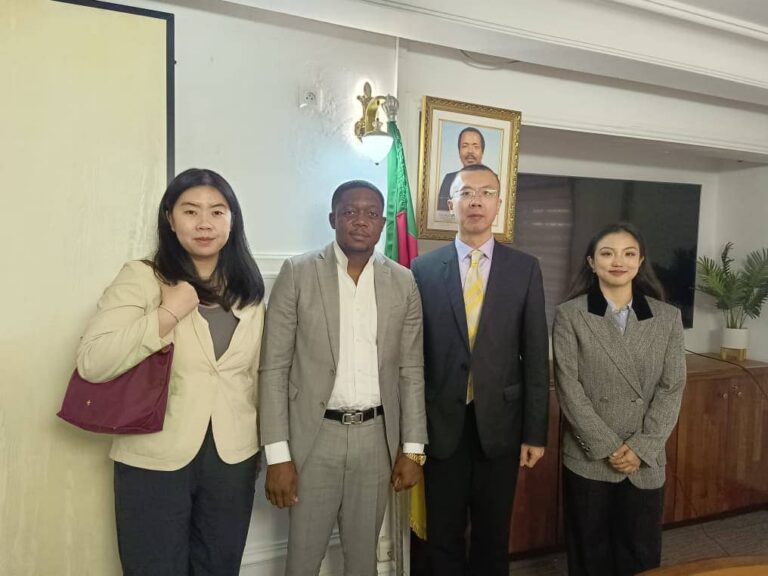
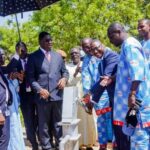
Representatives of the African Development Bank and members of the Namibia Revenue Agency staff during a supervision mission in Windhoek.
(LVDE) – Since the establishment of the Namibia Revenue Agency, tax collection has increased by 67%, reflecting a significant improvement in fiscal administration. These tangible results were achieved thanks to the crucial role played by the African Development Bank (AfDB) in boosting the country’s domestic revenue performance.
In Namibia, the transformation of tax administration is evident, supported by the unwavering assistance of the African Development Bank (AfDB). Since the creation of the Namibia Revenue Agency (NamRA), the results have been remarkable. In less than five years, the agency has collected 275.80 billion Namibian dollars, representing a 67% increase in domestic revenue. This surge is particularly notable in the non-mining corporate tax segment, where targeted efforts have significantly improved revenue mobilization.
During an AfDB supervision mission on October 28, 2025, NamRA Commissioner Sam Shivute stated: “Without the Bank’s support, we might not have reached this critical milestone. We aspire to become a world-class organization, and our revenue mobilization capacity has consistently exceeded expectations.” This ambition underscores the importance of the partnership between NamRA and the AfDB, which played a central role in establishing the agency through several budget support operations between 2017 and 2022.
The AfDB’s assistance goes beyond financial support. It also includes technical assistance aimed at strengthening public financial management and improving economic governance. In December 2024, a grant of USD 342,000 was approved to fund specific technical assistance projects for the tax administration. These initiatives are designed to boost domestic revenue mobilization through targeted audits and capacity building for NamRA staff.
The project seeks to enhance tax collection efficiency, eliminate revenue leakages, and improve the sustainability of public finances. By reducing the budget deficit—one of the main drivers of public debt—these measures allow for greater fiscal flexibility and increased investment in key sectors. Baboucarr Koma, Governance Officer at the AfDB, emphasized: “As official development assistance declines, we are supporting African countries in their efforts to mobilize more domestic resources.”
Namibia stands out in Africa with one of the continent’s highest tax-to-GDP ratios. In 2023, the ratio reached 26.2%, well above the continental average of 15.1%, according to the African Tax Administration Forum. This performance reflects NamRA’s ongoing efforts to improve tax collection, enabling the government to invest more in infrastructure and the welfare of its citizens.
Namibian authorities, particularly the Ministry of Finance, view the strengthening of NamRA’s institutional capacity as an opportunity to boost public investment. By maintaining strict fiscal discipline, the government aims to channel these funds toward projects that will deliver long-term benefits for the entire population.
Established in 2021, NamRA is responsible for assessing and collecting taxes and revenues on behalf of the state. Its partnership with the African Development Bank demonstrates the transformative potential of technical assistance, serving as a model for tax reform across Africa. As Namibia pursues inclusive and sustainable growth, this collaboration stands as a benchmark for other countries on the continent.
Sorelle Ninguem
À propos de l'auteur





 Raphael Mforlem