FINANCIAL DISPUTE : Afriland First Bank at the heart of a legal storm in Cameroon

 La voix des entreprises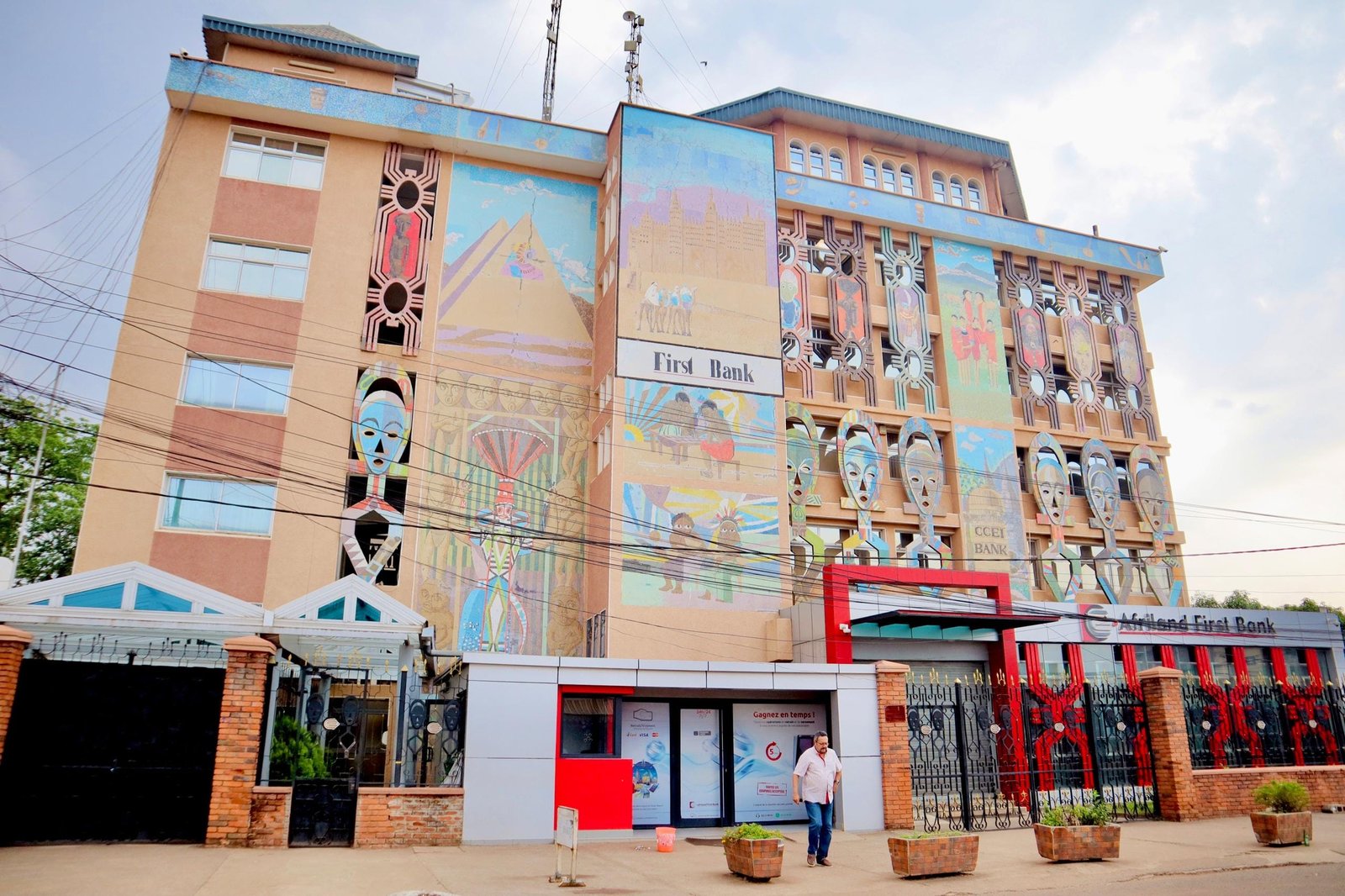
Head Office of Afriland First Bank in Cameroon
(LVDE) – At the root of this financial conflict, Cameroon’s Caisse des Dépôts et Consignations (Cdec) is demanding 166 billion CFA francs from Afriland First Bank. The sum corresponds to public deposits, consignments, and judicial escrow funds. This dispute, which is growing in scope, highlights significant tensions within Cameroon’s financial landscape.
On October 16, 2025, the situation took a new turn when Richard Evina Obam, General Manager of the Cdec, sent a formal notice to the bank. In this letter, he accused the financial institution of failing to transfer several billions of CFA francs related to term deposits and public contract guarantees. “Your statement does not faithfully reflect the funds owed to the Cdec,” he declared, pointing to a discrepancy of 36.5 billion CFA francs between the declared and actual amounts, plus 4.17 billion in penalties.
The Cdec set mid-November 2025 as the deadline for the payment of this amount, threatening to initiate forced recovery procedures if no action was taken. Afriland, for its part, cited a “difference in accounting interpretation” and said it was working to clarify the figures in question, while affirming that all regulatory obligations had been met in accordance with Cobac (the Central African Banking Commission) guidelines.
However, the dispute goes beyond this issue. The Cdec is also demanding the restitution of 126 billion CFA francs related to an ongoing conflict between businessman Baba Danpullo and MTN Cameroon. Richard Evina Obam insists that these funds must be managed by the Cdec in accordance with Cameroonian law, and that their placement in a commercial bank violates established regulations.
Cobac, however, has taken a diametrically opposed stance. It considers that these sums, deposited in a commercial bank, constitute client deposits and therefore fall outside the Cdec’s exclusive authority. An anonymous Cobac official emphasized that the Cdec cannot disregard the regional regulatory framework, noting that the management of public funds must comply with the standards in force.
This legal battle highlights an institutional rift within the Central African Economic and Monetary Community (Cemac). The Governor of the Bank of Central African States (Beac) acknowledged the Cdec’s monopoly in a letter dated September 2023, thereby placing Cobac in a delicate position. Consequently, the Cdec demanded a comprehensive statement of all public funds held by Afriland, along with supporting documentation, threatening to take coercive measures if its request was not met within the given timeframe.
Beyond the financial stakes, this conflict raises crucial questions about banking regulation and national sovereignty. Cobac advocates for a unified regulatory framework within Cemac, while Cameroon defends the Cdec’s unique status as a state institution. A Ministry of Finance official stated that the country intends to manage its assets in accordance with national legislation while respecting its regional commitments.
The tensions between the Cdec and Afriland are symptomatic of a broader problem within Cemac, where similar disputes have already opposed Beac to other member states. This conflict underscores the challenges linked to monetary integration and the management of public resources.
In a strained economic context and amid growing pressure for greater financial transparency, this institutional battle could redefine the balance of power between the Cameroonian state and regional regulatory bodies. The Cdec–Afriland case, far beyond mere administrative procedures, represents a critical test of governance for the region and could have lasting repercussions on the financial landscape of Central Africa.
Esther Grace
À propos de l'auteur








 Raphael Mforlem