BOISSONS DU CAMEROUN : Toward a local harvest of 12,000 tons of sorghum in 2025

 La voix des entreprises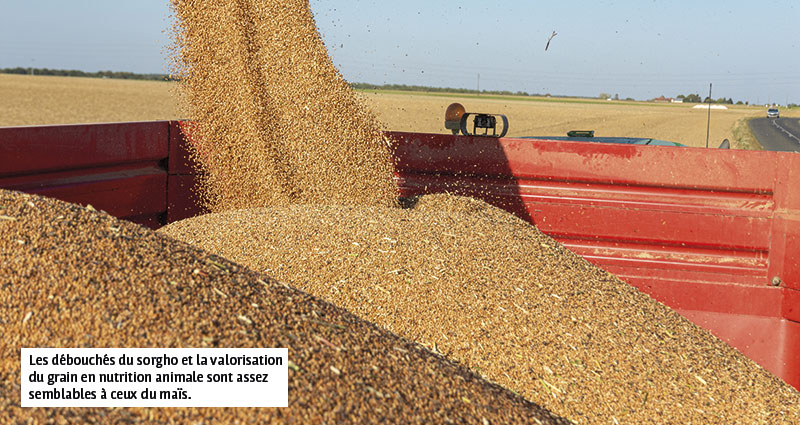
Récolte du sorgho
(LVDE) – This project, representing a 50% increase compared to 2024, was announced by the Cameroonian subsidiary of the French Castel Group. It is part of an import-substitution strategy aimed at strengthening local sourcing and boosting the rural economy.
Boissons du Cameroun, a subsidiary of the French Castel Group, has unveiled an ambitious plan to harvest 12,000 tons of locally produced sorghum in 2025, marking a 50% rise from the 8,000 tons targeted in 2024. This initiative is part of an import-substitution strategy designed to reinforce local supply chains and stimulate rural development.
In an economic context where food sovereignty is gaining growing importance, Boissons du Cameroun is positioning itself as a key driver of local development. The company, owned by the Castel Group, recently announced its goal of sourcing 12,000 tons of locally grown sorghum by 2025—a proactive move toward reducing import dependency and promoting local resources.
This ambition follows the 2023 acquisition of Guinness S.A., a transaction valued at over 300 billion CFA francs. Through this acquisition, Boissons du Cameroun not only expanded its product portfolio but also strengthened its control over beverage production in the country. Guinness, previously a subsidiary of the British group Diageo, had already established partnerships with local sorghum producers. These agreements have not only been maintained but also extended under the new ownership, which aims to double national production of the grain—an essential ingredient in beer and malted beverage manufacturing.
The acquisition is accompanied by an ambitious 200-billion-CFA-franc investment plan that includes the construction of three new factories in Yaoundé, Garoua, and Bafoussam. These industrial facilities are intended to enhance the group’s production capacity and increase demand for local raw materials, particularly sorghum and maize. By sourcing from farmers in the Mayo-Tsanaga, Mayo-Kani, and Mayo-Danay divisions in the Far North Region, as well as in Bénoué, Boissons du Cameroun is committing to supporting local agriculture.
Stéphane Descazeaud, Managing Director of Boissons du Cameroun, emphasized the importance of this initiative : “Maize and sorghum are at the heart of a sustainable and inclusive ecosystem. By promoting local production, we connect industry and agriculture for more sustainable growth.” This approach not only seeks to stimulate the rural economy but also to create jobs in production zones, reinforcing the national industrialization strategy centered on local resources.
Boissons du Cameroun’s initiative has a significant impact on the local economy. By supporting farmers and improving their productivity, the company contributes to higher rural incomes and greater food security in Cameroon. Moreover, this import-substitution strategy aligns perfectly with the government’s objectives to promote a dynamic and resilient local industry.
With its goal of collecting 12,000 tons of sorghum in 2025, Boissons du Cameroun is not merely expanding its operations—it is actively contributing to the transformation of the local economy. This project exemplifies an integrated development model in which industry and agriculture work hand in hand to build a more sustainable future, thereby strengthening Cameroon’s cereal sovereignty. In a world where sustainability and self-sufficiency are critical, Boissons du Cameroun stands out as a committed leader in this essential transition.
Tressy Chouente
À propos de l'auteur







 Raphael Mforlem