

SODECOTON : The Naira’s depreciation revitalizes the formal cotton production circuit

 La voix des entreprises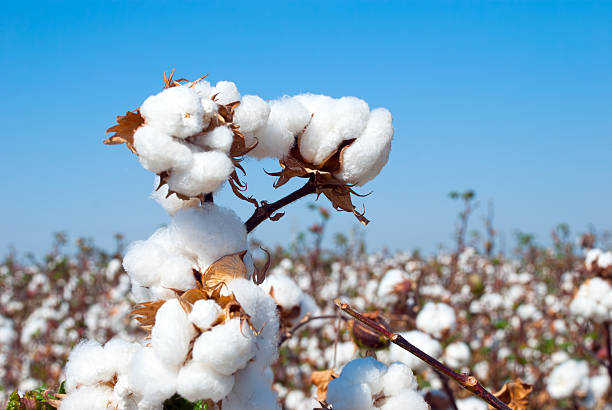
Branch of ripe cotton on the cotton field, Uzbekistan
(LVDE) – The sharp decline of the Nigerian naira is prompting Cameroonian cotton producers to return to the formal market, offering renewed prospects for the cotton industry, according to the Ministry of Finance’s latest economic outlook report.
Economic relations between Cameroon and Nigeria are undergoing a significant shift—particularly in the cotton sector. According to recent analyses published by the Ministry of Finance, the continued depreciation of the Nigerian naira has had far-reaching effects on Cameroon’s economy, especially in border regions. Between 2010 and 2025, the naira’s value against the CFA franc plummeted by nearly 90%, dropping from 3.29 FCFA to just 0.39 FCFA. This decline, further aggravated by a 40% devaluation in 2024, stems from Nigeria’s economic reforms initiated in 2016, which liberalized the exchange rate regime by abandoning the previously controlled system.
According to Investiraucameroun.com, this monetary situation has produced mixed effects in Cameroon. On one hand, the weaker naira has made Nigerian goods more affordable in local markets, leading to an influx of low-cost products, including smuggled fuel known as “zoua-zoua.” This phenomenon has helped stabilize illicit fuel prices, despite the removal of fuel subsidies in Nigeria. “The depreciation of the naira has somewhat mitigated the impact of rising ‘zoua-zoua’ prices,” notes the Ministry’s report.
On the other hand, the currency’s fall has created unexpected opportunities for Cameroon’s cotton industry. The CFA franc’s appreciation against the naira has made cotton smuggling to Nigeria far less profitable, prompting many producers to return to the formal market managed by Sodecoton. This shift has allowed the state-owned company to better supervise production while reducing financial losses from illegal sales.
Historically, a significant portion of Cameroonian cotton was sold in Nigeria, where higher prices encouraged producers to bypass official channels. However, the decline in Nigeria’s purchasing power, coupled with the persistent weakness of the naira, has made this option less attractive—leading to a gradual restructuring of the industry to Cameroon’s advantage.
Moreover, the naira’s depreciation has also affected the bilateral trade deficit between the two countries, which has narrowed considerably in recent years. This improvement is partly due to reduced crude oil imports, following the shutdown of the National Refining Company (Sonara) after the 2019 fire.
The fall of the naira therefore represents a golden opportunity to strengthen the formal cotton sector and enhance Sodecoton’s regulatory oversight. According to projections from the Bank of Central African States (BEAC), Cameroon’s cotton production could reach 350,100 tons in 2025, confirming the sector’s gradual recovery. This trend bodes well for the local economy, as it enhances producer resilience while consolidating the cotton value chain amid increasing regional competition.
Tressy Chouente
À propos de l'auteur