
METALLURGY : Alucam records losses of about XAF 24 billion in 2024

 La voix des entreprises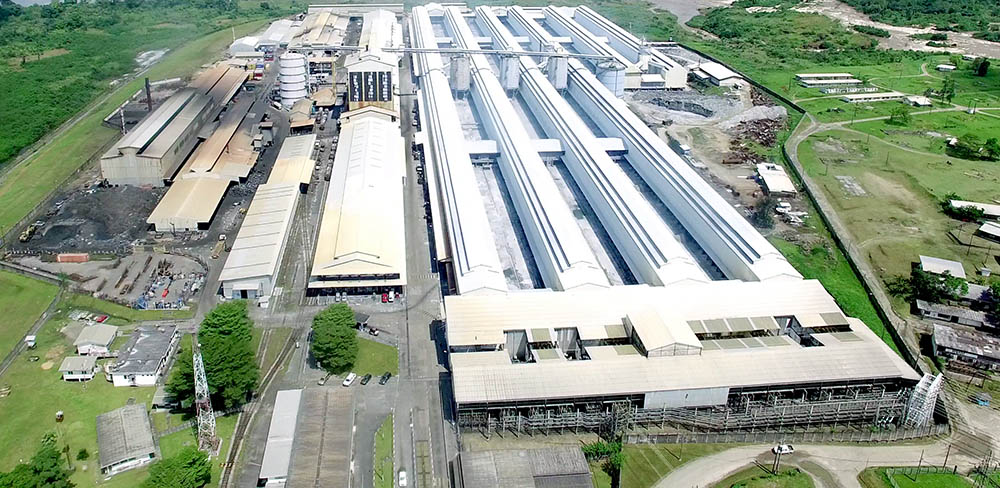
(LVDE) – The Cameroon Aluminium Company (Alucam) is facing significant losses and a sharp decline in production, highlighting the structural challenges affecting the sector.
The aluminium industry in Cameroon is going through a critical phase, as illustrated by the worrying performance of Alucam. According to recent data from the Ministry of Finance, aluminium production dropped by 40.8% in the first quarter of 2025 due to the technical shutdown of more than half of the electrolysis cells—an essential component of the production process. This technical failure led to a drastic reduction in the output of aluminium ingots and sheets, underscoring the serious difficulties confronting the country’s leading aluminium producer.
Despite this steep decline, annual figures show a slight increase of 4.5% compared to the previous year. Projections for 2025 point to a potential growth of 6%, though these prospects remain fragile in light of Alucam’s persistent structural and financial challenges.
The company—79.68% owned by the Cameroonian government—also counts the French Development Agency (AFD) and the National Investment Company (SNI) among its shareholders. The 2024 financial results, though confirming a worrying trend, reveal that the company recorded losses of XAF 23.7 billion, slightly above the XAF 23.6 billion loss posted the previous year. Revenue also declined, reaching only XAF 94.4 billion, a 10% drop year-on-year, largely due to the unavailability of production equipment.
Since 2019, Alucam has struggled to regain sustainable profitability, despite a brief upturn in 2021, when the company posted a modest profit of XAF 447.9 million. To reverse its fortunes, management is banking on attracting a strategic investor capable of injecting fresh capital. “We are currently exploring opportunities to bring in a new investor who could breathe new life into our company,” a company official said.
While awaiting this key partner, Alucam signed a contract with Proalu in August 2024, guaranteeing the monthly purchase of 2,500 tons of raw materials. This agreement could generate nearly XAF 48 billion in annual revenue, providing much-needed financial relief. The contract also includes an advance payment of XAF 9.85 billion, which should help improve cash flow and partially stabilize the company’s revenue.
Founded in 1957, Alucam stands as a strong symbol of Cameroon’s industrialization. However, after decades of leadership in aluminium production, the company now faces major challenges to avoid an industrial collapse. The current energy and financial environment makes the quest for competitiveness increasingly difficult.
The decline in aluminium production and Alucam’s ongoing struggles highlight the pressing issues confronting the sector. With ongoing recovery efforts and strategic adjustments, the company hopes to regain its former vitality—but the road ahead remains fraught with obstacles. A sector-wide reform and stronger support from both the government and private investors will be crucial to securing the future of aluminium production in Cameroon.
Esther Grâce
À propos de l'auteur