
MOTORBIKE TAXI RESTRICTIONS : The heavy toll drivers are paying in the cities of Douala, Garoua, and Dschang

 La voix des entreprises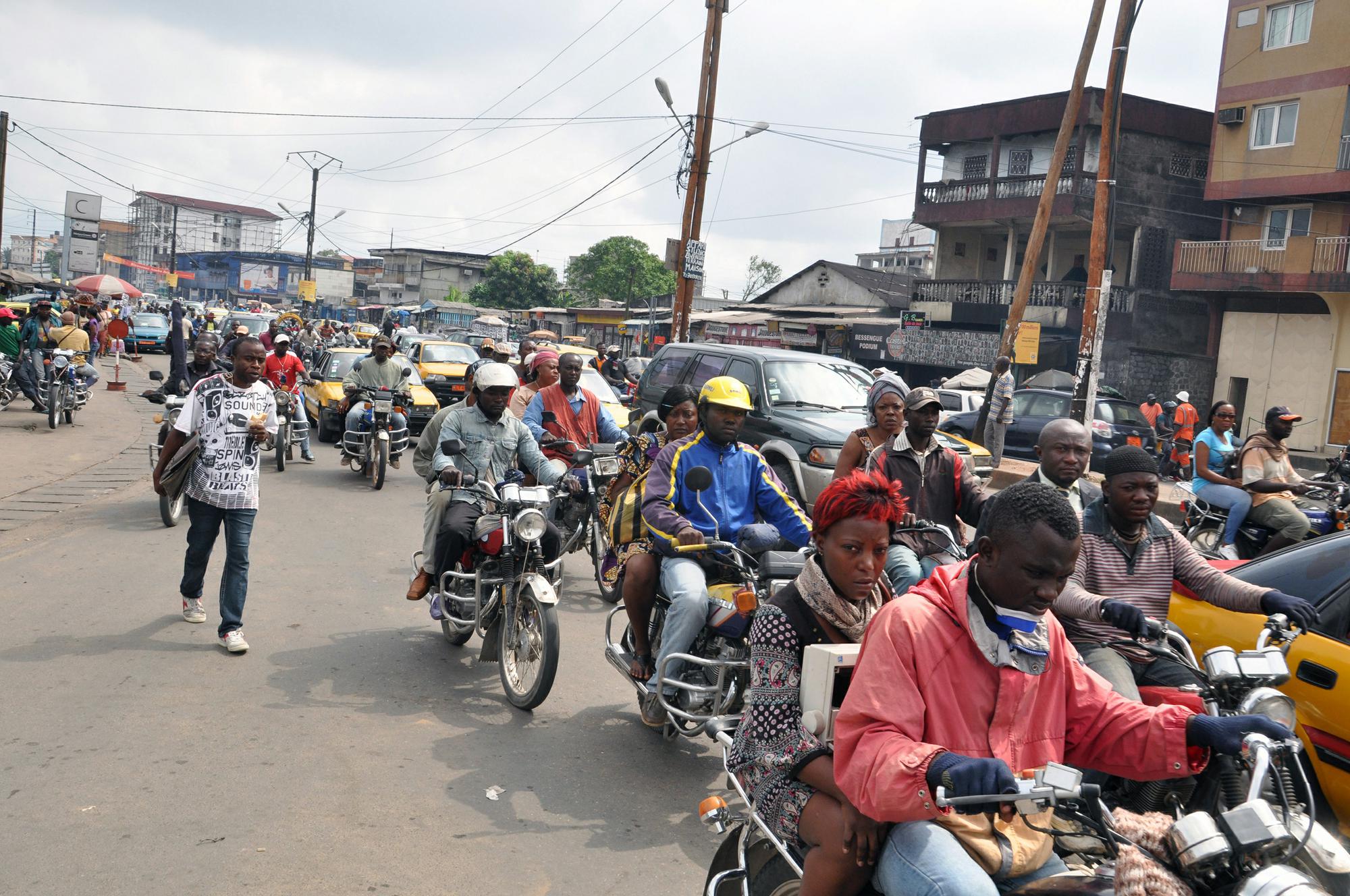
(LVDE) – The new restrictions on motorbike taxi circulation in the cities of Douala, Garoua, and Dschang, introduced amid a tense post-election climate, could lead to significant losses for operators in the sector—impacting both their income and urban mobility for passengers.
In a post-election atmosphere marked by rising tensions and demonstrations in several Cameroonian cities, authorities have decided to impose movement restrictions on motorbike taxis. Implemented on October 21, 2025, these measures will particularly affect motorbike riders in Douala, Garoua, and Dschang, where the local economy could quickly deteriorate.
In Douala, Prefect Sylyac Marie Mvogo has introduced a ban on commercial motorcycle transport across about twenty neighborhoods, including Deïdo, Bonabéri, and Yassa. The restricted hours, from 6 p.m. to 6 a.m., coincide with critical periods such as the days of election result announcements. This ban, which adds to existing permanent restrictions in areas like Bonanjo and Bonapriso, aims to strengthen security in what is deemed a sensitive context. However, it could also cause a sharp drop in income for many riders, most of whom rely heavily on evening fares to sustain their livelihoods.
In Garoua, a similar situation has emerged. Prefect Oumarou Haman Wabi has prohibited motorbike taxi operations between 8 p.m. and 5 a.m., in response to incidents reported since October 12. Although justified by security concerns, the decision could deprive drivers of their most profitable working hours. The potential economic losses amount to millions of FCFA, especially in a city where motorbike taxis play a key role in urban transportation.
Dschang has not been spared either. Prefect Itoe Peter Mbongo has imposed restrictions along major routes in the city, while also banning demonstrations and the sale of unregulated fuel. Motorbike taxi operators—who are vital to local transport—are now forced to suspend their activities, leading to a steep decline in income.

The effects of these restrictions extend beyond the drivers themselves. Passengers, who rely on motorbike taxis for fast and affordable transport, are also adversely affected. Mobility is increasingly limited, especially in areas where alternative means of transport are scarce. This could heighten the isolation of certain communities and restrict access to essential services.
Economically, the losses are mounting. Estimates suggest that a motorbike taxi operator could lose between 5,000 and 10,000 FCFA per day, depending on the number of canceled trips. Across these cities, this translates into millions of FCFA in cumulative losses during the restriction period. Moreover, the growing perception of motorbike taxis as potential sources of unrest could have lasting effects on their reputation and acceptance by local authorities.
The long-term impact could also be severe. If motorbike taxi operators fail to recover from these financial losses, many may abandon the profession altogether—exacerbating unemployment and economic precarity in the sector. Authorities must therefore strike a balance between public safety and the economic sustainability of the operators.
In summary, the restrictive measures on motorbike taxi circulation in Douala, Garoua, and Dschang are generating major economic consequences for both drivers and passengers. In an already fragile socio-economic context, these decisions risk deepening household vulnerability, highlighting the need for a more balanced approach that considers both security imperatives and the economic well-being of citizens.
Raphael Mforlem
À propos de l'auteur