

STOCK MARKET LISTING : Why companies are losing interest in the Bvmac’s offer

 La voix des entreprises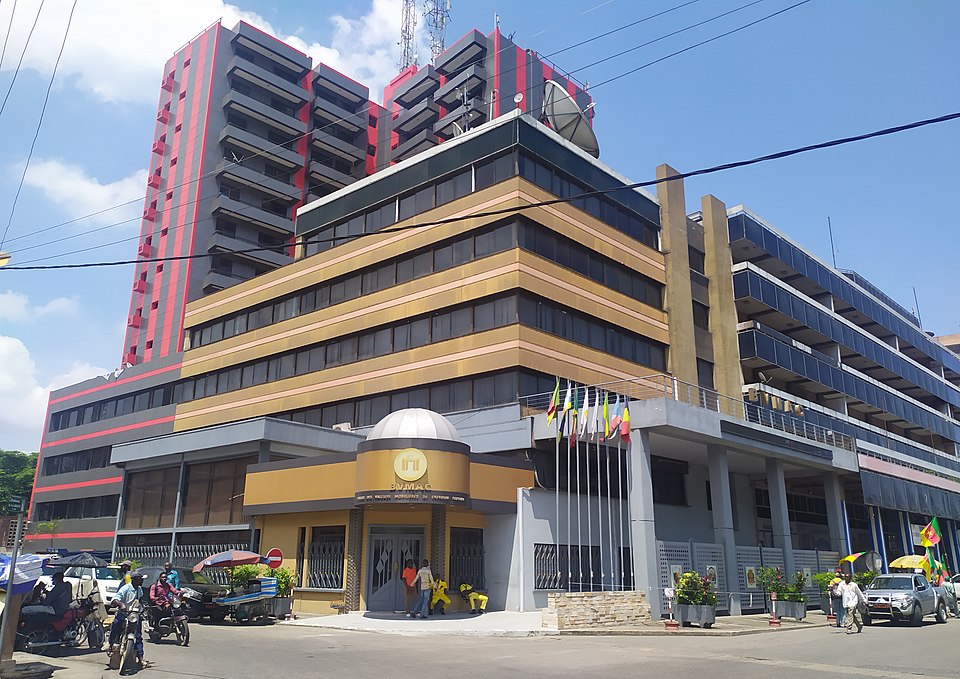
Siege de la Bourse des valeurs mobilières de l'Afrique centrale (Bvmac)
(LVDE) – The Bank of Central African States (BEAC) and the African Development Bank (AfDB) are attempting to revitalize the Central African Stock Exchange (BVMAC) with funding of USD 223,780. However, the call for expressions of interest launched in July 2025 failed to attract companies’ attention.
The Central African Stock Exchange (BVMAC) continues to face major challenges despite the efforts of the Bank of Central African States (BEAC) and the African Development Bank (AfDB) to boost its activity. With an envelope of USD 223,780 — roughly CFAF 143 million — the two institutions launched a project designed to encourage companies to go public. Yet, the call for expressions of interest published on July 2, 2025, ended in failure due to an insufficient number of submissions.
This setback occurred within the framework of the Support Project for the Unified Financial Market of Central Africa (PAMFUAC), implemented by the CEMAC Financial Institutions Reform Management Unit. Supported by the Fund for African Private Sector Assistance (FAPA), the initiative aimed to cover part of the listing costs for four regional companies. The eligible expenses included regulatory fees, legal services, and auditors’ remuneration. In theory, this support was intended to lift one of the main barriers to listing — the high upfront cost, often deemed prohibitive by companies in the region.
The unification of the regional financial market in 2019 had raised high expectations. The six member states of the Economic and Monetary Community of Central Africa (CEMAC) — Cameroon, Gabon, Congo, Chad, Equatorial Guinea, and the Central African Republic — had pledged to open the capital of public enterprises to the BVMAC. However, six years on, only two companies have taken the step, highlighting a worrying inertia. According to regulators, 17 public enterprises across five countries were identified as potential listing candidates, but most remain at the planning stage.
Louis Banga Ntolo, Managing Director of the BVMAC, explained : “This reluctance stems from executives’ desire to avoid public scrutiny of their governance. In Cameroon, authorities emphasize the need to restructure these companies before any capital opening. Firms such as Aéroports du Cameroun and Sodecoton are receiving technical assistance from the French Development Agency (AFD) to modernize their governance and operations.”
While necessary, this process further delays the listings promised since 2019. Moreover, the dominance of the public securities market, managed by the BEAC, poses an additional challenge. This market attracts most financial flows from both institutional investors and states, due to its flexibility and lower perceived risk. As of March 2025, the total outstanding public securities issued by CEMAC states reached nearly CFAF 8.5 trillion, up from less than CFAF 5 trillion five years earlier.
National treasuries therefore favor the issuance of treasury bills and bonds over private financing mechanisms. A BEAC technical report published in the first quarter of 2025 notes that this orientation hampers the development of the regional stock market, which is meant to channel domestic savings toward productive investment.
In short, despite the initiatives of the BEAC and the AfDB, companies continue to shun the BVMAC’s offer — held back by high costs, organizational hesitations, and a strong preference for public securities. The future of the Central African Stock Exchange will depend on the ability of market participants to overcome these obstacles and restore investor confidence.
Esther Grace
À propos de l'auteur