BANK LIQUIDITY : Beac releases nearly CFAF 1 billion to ease pressure on Banks

 La voix des entreprises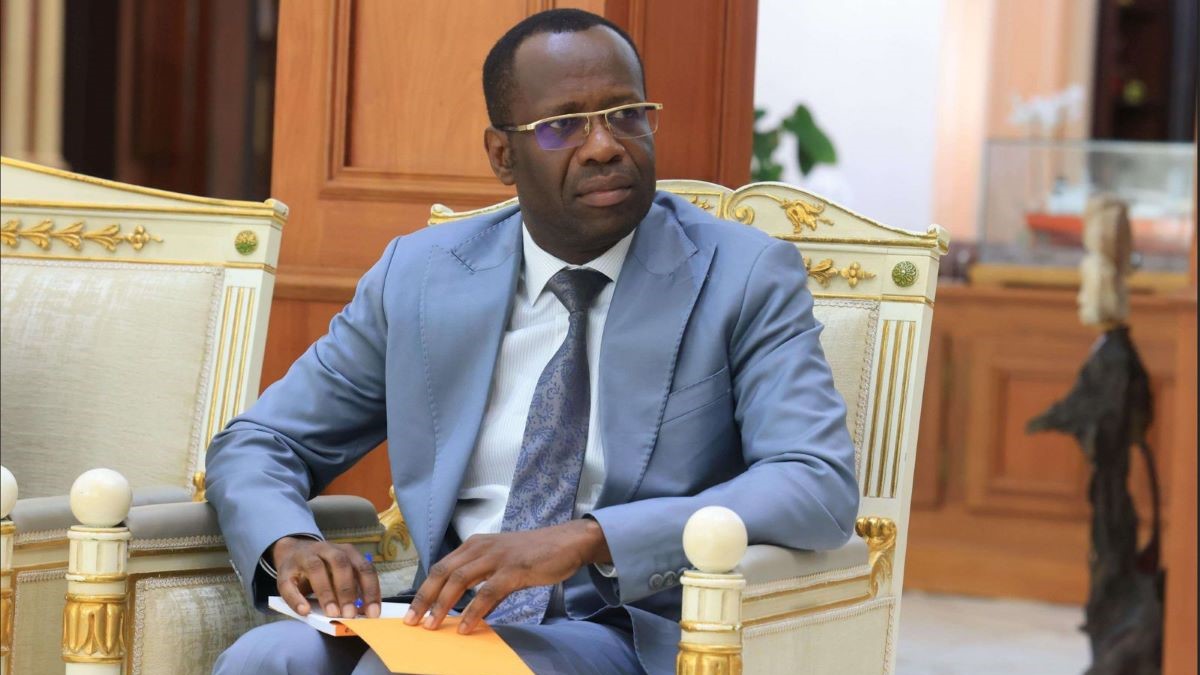
Yvon Sana Bangui, Governor of the Beac
(LVDE) – In response to mounting pressure on banking liquidity across the subregion, the Bank of Central African States (Beac) has injected CFAF 750 billion into the money market—an emergency measure to support a slowing economy.
On October 15, the Bank of Central African States (Beac) took a significant step by injecting CFAF 750 billion into the banking system of the Economic and Monetary Community of Central Africa (Cemac). This move comes amid growing liquidity tensions, as the region’s economic growth is expected to fall below 2.6% in 2025.
This liquidity injection operation—the largest since 2019—was announced through a call for tenders. The amount injected, CFAF 50 billion higher than the previous week’s, underscores the urgency of the situation. The maturity period for this operation is set at seven days, from October 16 to 23, with a minimum interest rate of 4.5% (Tiao). The process follows a variable-rate tender mechanism, in line with Decision No. 04/CPM/2013.
The demand expressed by banks—already exceeding CFAF 800 billion the previous week—reflects the scale of financing needs. Financial institutions in the region are increasingly called upon to support cash-strapped governments, illustrating growing pressure on the financial system. This situation highlights an unfavorable regional economic context, further strained by fragile public finances.
Beac’s intervention is part of a monetary easing strategy aimed at reviving a slowing economy. According to recent projections by the Monetary Policy Committee, Cemac’s growth is expected to fall to 2.6% in 2025, after a slight decline to 2.7% in 2024—a rate well below the 6.3% growth forecast for the West African Economic and Monetary Union (WAEMU).
Cemac’s economic slowdown is also being driven by a steady decline in oil and gas production, expected to fall by 1.5% in 2025 after a 0.4% decrease in 2024. For Beac, liquidity injections have become a key tool to revive economic activity through increased bank lending.
However, this expansionary monetary policy also highlights the structural weaknesses of the region’s financial system. In a report published in July, the International Monetary Fund (IMF) identified several causes of the liquidity crunch: growing public financing needs, longer maturities of sovereign debt, weak deposit mobilization, and domestic arrears accumulated by governments.
The IMF urged Beac and the Central African Banking Commission (Cobac) to maintain active dialogue with the thirty-one distressed banks while calling for a lasting solution—particularly through the effective settlement of domestic arrears by governments.
This complex situation requires special attention and coordinated action to overcome the liquidity crisis. Banks must receive robust support to restore their financial stability and, in turn, strengthen the regional economy. Cemac’s future will largely depend on the ability of its financial institutions to adapt and respond to current challenges.
Thus, Beac’s recent liquidity injection sends a strong signal of the central bank’s commitment to supporting the financial sector. It also offers an opportunity for governments to take meaningful steps toward fiscal discipline. The path to economic stability remains challenging, but collaboration among all stakeholders will be essential to rebuild confidence and foster growth across the region.
Tressy Chouente
À propos de l'auteur







 Raphael Mforlem