AFREXIMBANK : A key player in Africa’s economic development

 La voix des entreprises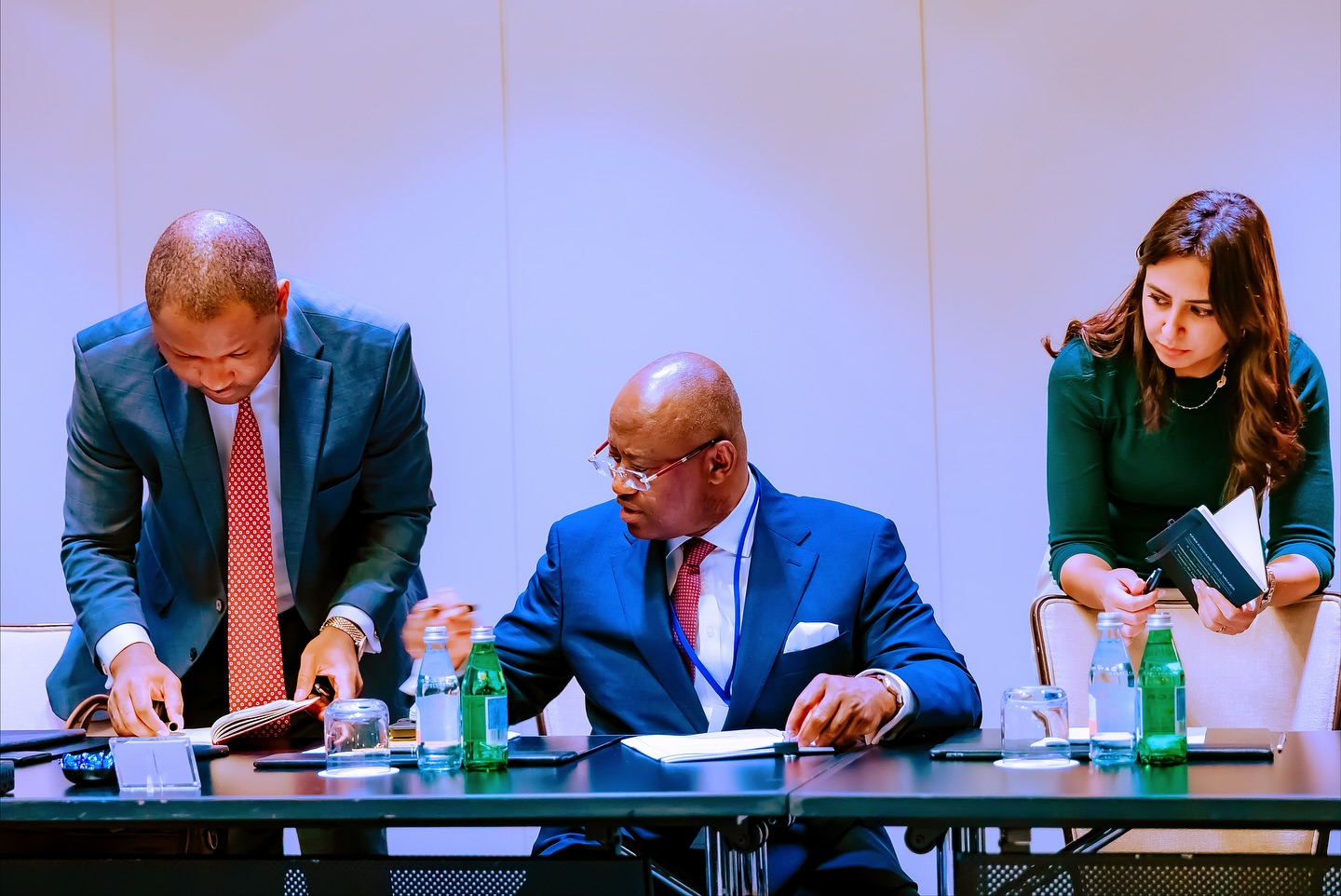
Dr. George Elombi, President of Afreximbank, engaging in a discussion with one of the participants.
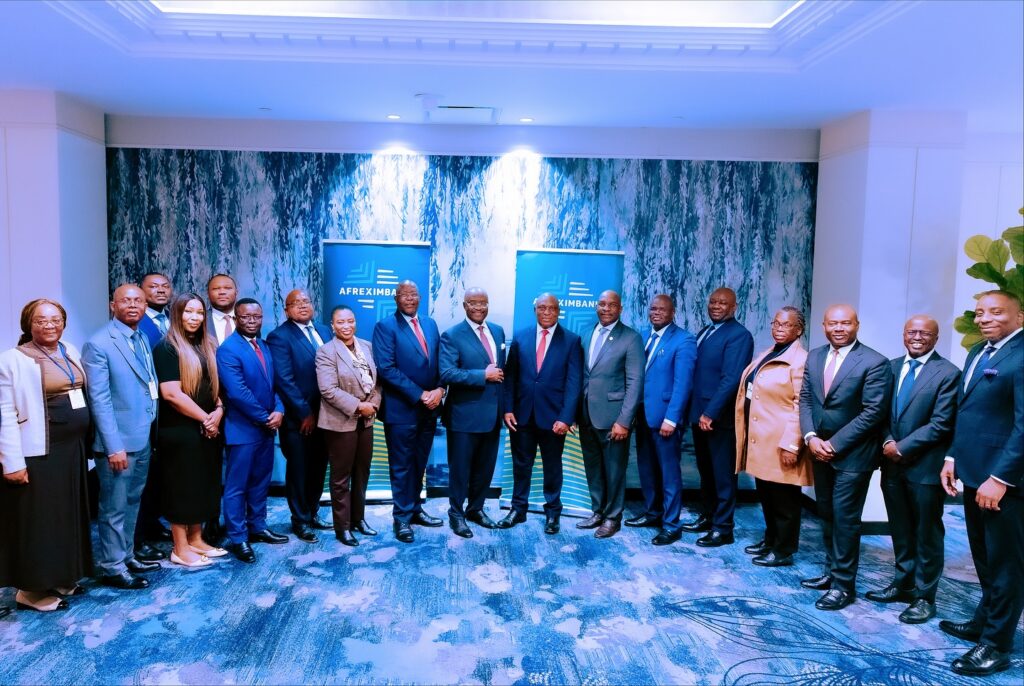
(LVDE) – In Washington, D.C., during the Annual Meetings of the World Bank and the IMF, Afreximbank officials engaged in strategic discussions aimed at promoting trade and investment across Africa. These high-level exchanges seek to strengthen partnerships and drive the continent’s economic transformation.
The African Export-Import Bank (Afreximbank) launched a series of high-level engagements during the 2025 Annual Meetings of the World Bank and the IMF, held in Washington, D.C., from October 13 to 18, 2025. Led by its senior executives, the bank reaffirmed its position as a central actor in advancing trade and economic development across the continent.
This international gathering features bilateral meetings, thematic sessions, business engagements, and the renowned Babacar Ndiaye Memorial Lecture — a key event designed to foster reflection on Africa’s economic future. Discussions are focusing on critical issues such as trade finance, innovation in capital markets, and the integration of African economies into the global economic system.
Within this framework, Afreximbank continues to strengthen partnerships with international financial institutions, governments, and private sector stakeholders. Through these strategic dialogues, the bank highlights its role as a catalyst for sustainable development, supporting projects that enhance economic resilience and boost the competitiveness of African nations on the global stage.
Afreximbank’s commitment to trade finance remains particularly significant amid today’s uncertain global economic climate. The bank recently announced that it facilitated over US$25 billion in trade transactions across Africa over the past year — supporting thousands of enterprises and entrepreneurial initiatives across the continent. This achievement underscores its vital role in sustaining African businesses through periods of economic turbulence.
The bank is also emerging as a leader in financial innovation, developing solutions tailored to the unique needs of African markets. Among its initiatives are digital platforms that provide businesses with easier access to financial services. These innovations are designed to reduce transaction costs and increase the efficiency of cross-border trade.
The challenges facing Africa — including the impacts of climate change and persistent economic inequality — are central to the discussions. Afreximbank emphasizes the importance of sustainable solutions that address local realities while integrating global perspectives. By working closely with international partners, the bank aims to foster an environment conducive to investment, innovation, and inclusive growth.
A highlight of the week is the Babacar Ndiaye Memorial Lecture, which honors the late former President of the African Development Bank. This flagship forum brings together thought leaders and experts to exchange best practices and explore strategies for propelling Africa toward a prosperous economic future.
Through this series of high-level engagements, Afreximbank reaffirms its role as a driver of Africa’s economic transformation. As discussions continue in Washington, the message is clear: Africa must unite to overcome its challenges and seize its growth opportunities. By investing in trade and innovation, Afreximbank seeks to position the continent as a major player in the global economy.
Raphael Mforlem
À propos de l'auteur






 Raphael Mforlem
 Amélie Yandal