FIGHT AGAINST SMUGGLING : Customs Seize a Large Shipment of Beverages from Equatorial Guinea
 La voix des entreprises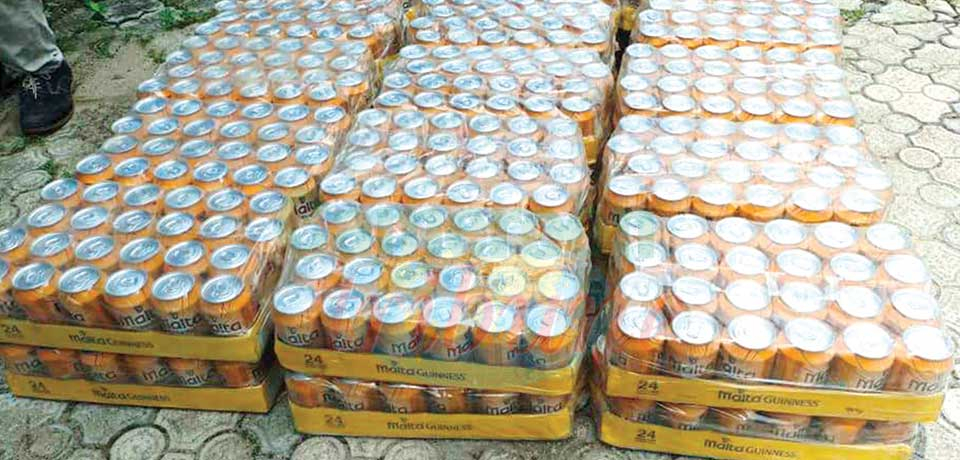
(LVDE) – The seizure of 131 cartons of whisky, 16 cartons of wine, and 10 pallets of beer by the Ambam Mobile Customs Brigade on October 2, 2025, highlights both the growing challenges faced by authorities in combating smuggling and Cameroon’s ongoing efforts to protect public health and the national economy.
The fight against smuggling has become a top priority in Cameroon, a country facing multiple security and regulatory challenges. Situated at the crossroads of several borders, Cameroon is particularly vulnerable to illicit trade activities. On October 2, 2025, the Ambam Mobile Customs Brigade carried out a significant seizure of 131 cartons of whisky, 16 cartons of wine, and 10 pallets of beer illegally brought in from Equatorial Guinea. This operation underscores the dangers associated with the consumption of uncertified alcoholic beverages, which can pose serious health risks to consumers.
Smuggling is not just a matter of tax evasion ; it also raises major public health concerns. Unregulated products escape all quality control mechanisms, leaving consumers exposed to potential dangers. Health authorities are concerned about the general public’s lack of awareness of the risks associated with such products.
Moreover, smuggling leads to substantial financial losses for the state. Taxes on alcoholic beverages represent a key source of revenue, and their evasion undermines the government’s ability to fund essential public services. This reality highlights the need for an effective anti-smuggling strategy, which has become a crucial priority for Cameroonian authorities.
Customs officers face significant operational challenges in their fight against smuggling. Border surveillance is complex and often hampered by inadequate resources. The vast areas to monitor make it difficult to detect illegal activities. Although the recent seizure of alcoholic beverages demonstrates increased vigilance, such successes remain the exception rather than the norm.
Corruption within law enforcement further complicates the situation. Some agents may be tempted to accept bribes, fostering impunity and allowing smuggling to thrive. Studies indicate that this issue is common in many developing countries, including Cameroon, where customs corruption remains a major obstacle.
Collaboration among stakeholders is essential to effectively combat smuggling. Customs authorities must work closely with other government agencies and private sector actors to establish an efficient operational surveillance network. However, such cooperation is often hindered by institutional silos and poor communication among the relevant entities.
To overcome these challenges, it is crucial to raise awareness among the public and economic actors. Customs authorities emphasize the importance of education and public outreach. Informing the population about the dangers of unregulated products could help reduce demand. Targeted awareness campaigns could play a key role in this effort.
International cooperation is also vital. Since Cameroon shares borders with several countries, a regional approach would be beneficial. Bilateral agreements aimed at strengthening border surveillance could significantly reduce the flow of illicit goods. Successes observed in other regions of the world demonstrate that cross-border cooperation is an effective tool in the fight against smuggling.
Esther Grace
À propos de l'auteur








 Raphael Mforlem
 Amélie Yandal