CONSTRUCTION MATERIALS, SHOES, FUELS … : The surge in illegal imports from Nigeria Threatens the “Made in Cameroon” Label

 La voix des entreprises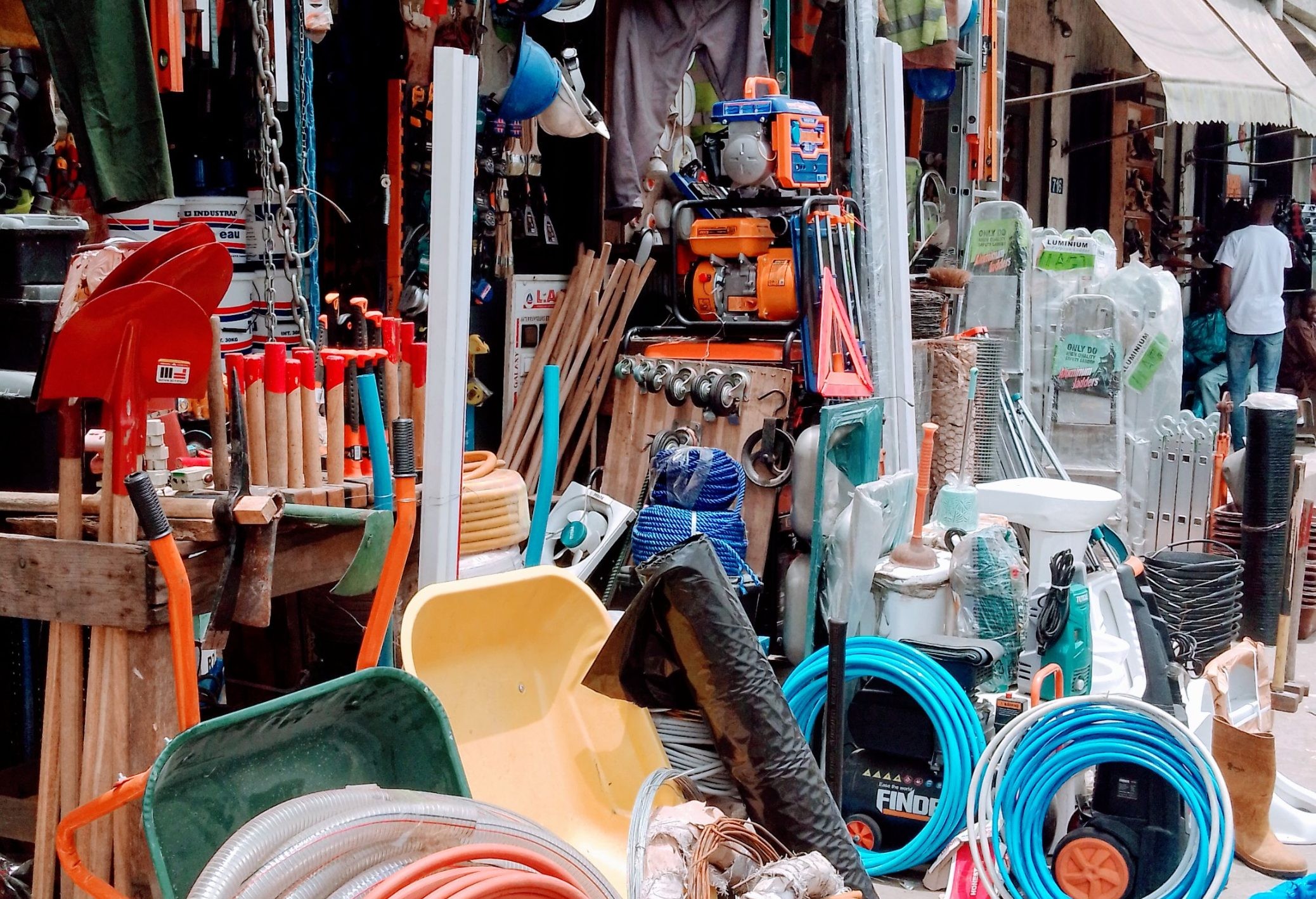
Exemple d’une quincaillerie
(LVDE) – As Cameroon strives to promote local production, illegal imports from Nigeria are rising at an alarming rate. Products such as bottled water, shoes, fuels, and construction materials are flooding the market, undermining the competitiveness of domestic companies and jeopardizing the growth of the “Made in Cameroon” initiative.
In an already fragile economic context, Cameroon is facing a sharp increase in illicit imports from Nigeria. Figures released by the National Institute of Statistics (INS) reveal a worrying trend for the local economy, as products like fuel, shoes, and building materials continue to saturate the market—often at the expense of national production. In 2024, Nigerian fuel became the main driver of this illegal trade, accounting alone for 33% of all fraudulent exports to Cameroon.
According to INS data, the informal trade in shoes has also seen a staggering rise. Between 2023 and 2024, illegal shoe imports soared by 170.8%, reaching 21.2 billion CFA francs. This alarming trend not only highlights the growing appeal of low-cost imported goods but also the adaptability and resilience of smuggling networks thriving in a challenging economic environment.
Bottled and mineral water have also been affected, with imports up 77.4%, totaling 10.25 billion CFA francs. Construction materials such as bricks and tiles saw an even greater increase of 148.9%. These products, often cheaper than their local equivalents, continue to attract Cameroonian consumers, worsening the situation for local manufacturers struggling to compete.
However, not all market segments are experiencing such growth. The inflow of motorcycles dropped by 61.6%, while cotton fabric imports declined by 35.1%. The trade in live animals—especially cattle—also fell by 56.6%, and whisky along with other alcoholic beverages saw a 28.9% decrease. These fluctuations reflect a market in transition, where some products are losing appeal while others gain ground.
On a broader scale, Nigeria remains Cameroon’s leading informal supplier, accounting for 66.5% of undeclared imports, with a total estimated value of 176.58 billion CFA francs. Although illegal imports dropped significantly between 2022 and 2023 (–35.2%), a slight rebound was observed in 2024 (+1.9%). This recovery is partly attributed to improved security conditions in certain regions of Cameroon—particularly the Far North and North-West—key corridors for the transit of fuel and manufactured goods.
This situation raises crucial questions about how to best protect the national economy and support “Made in Cameroon.” Authorities must intensify efforts to curb smuggling while encouraging domestic production and raising consumer awareness about the benefits of buying local products. In a market increasingly saturated by fraudulent imports, the survival of Cameroonian companies will depend on their ability to adapt and innovate in the face of unfair competition.
The challenges are numerous, but amplifying the voices of local producers and creating a supportive environment for their growth is essential. The future of trade in Cameroon may well depend on how effectively the country combats smuggling and promotes local products—ensuring sustainable and inclusive development for all economic actors.
Esther Grace
À propos de l'auteur







 Raphael Mforlem
 Amélie Yandal