OIL INDUSTRY : Senegalese companies export nearly 3 million barrels in september alone

 La voix des entreprises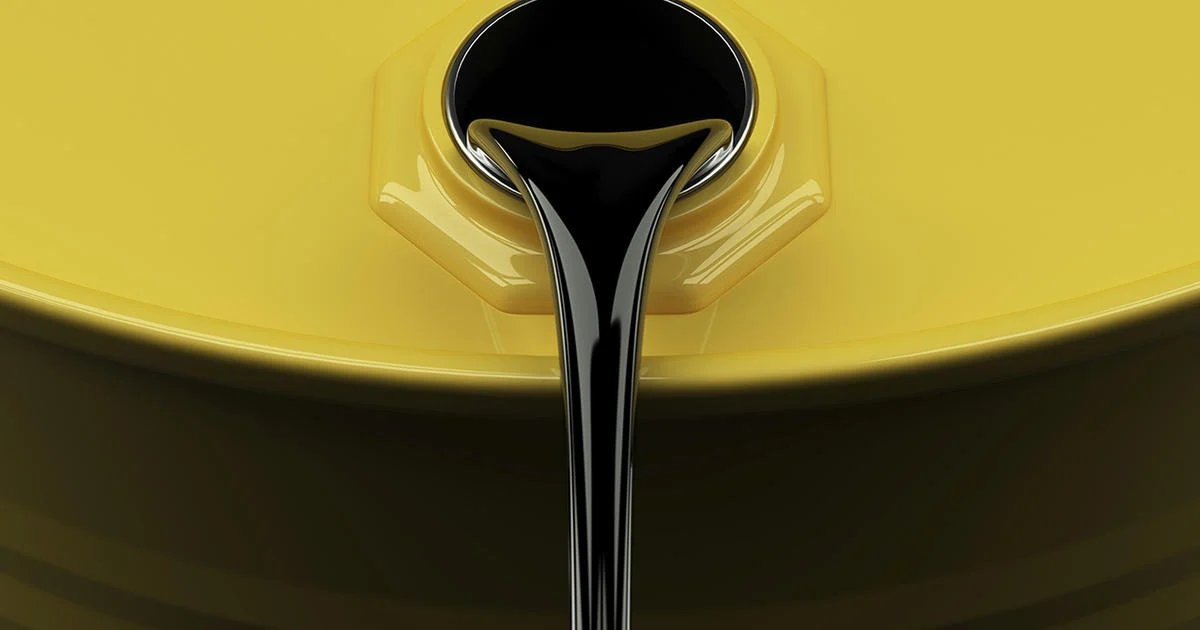
(LVDE) – In September, Senegal reached a new milestone in its oil industry by exporting 2.89 million barrels of crude oil to the international market. This performance is accompanied by an upward revision of production forecasts for the coming years, underscoring the growing momentum of this strategic sector.
September 2025 proved to be particularly significant for Senegal’s petroleum industry, which managed to ship three cargoes of crude oil totaling 2.89 million barrels. This volume reflects the rising capacity in both extraction and commercialization, marking an encouraging trend for the country. According to data from the Ministry of Energy and Petroleum, production forecasts for 2025, initially set at 30.53 million barrels, have been revised upward to 34.5 million barrels, demonstrating strong operational performance and efficient well management.
At the same time, the Grand Tortue Ahmeyim project also recorded major progress, with the completion of two liquefied natural gas (LNG) shipments totaling 336,690 cubic meters. Commissioning work on the FPSO (Floating Production Storage and Offloading) facilities is ongoing, with the ambition of progressively ramping up production capacity. This dynamic is crucial for diversifying energy sources and strengthening Senegal’s energy self-sufficiency.
The Senegalese government is firmly betting on hydrocarbons to diversify its energy mix, with the goal of reaching 40% in the coming years. The national electricity company, SENELEC, is rolling out a diversification strategy by integrating gas into its production sources. This initiative aims not only to maximize economic returns but also to meet the country’s growing electricity demand while reducing dependence on traditional fossil fuels.
As part of its 2050 vision, Senegal is committed to building strong industrialization centered on hydrocarbons and mining. One notable initiative is the establishment of a phosphate processing plant in the northern region. This facility is expected to play a key role in boosting agricultural production by supplying quality fertilizers, thereby supporting food security and rural development.
On the financial side, revenue projections for the 2026–2028 period have been revised in response to recent fluctuations in global oil markets, where price declines have been observed. Despite these challenges, total revenues of 227.22 billion CFA francs are projected, highlighting the sector’s resilience in the face of economic volatility. This amount represents a significant opportunity to finance infrastructure projects and social development programs.
In conclusion, Senegal’s petroleum industry is asserting itself as a central pillar of the national economy. The export of nearly 3 million barrels in September illustrates not only the country’s production capacity but also its commitment to a sustainable energy transition. With clear ambitions and concrete projects on the horizon, Senegal is positioning itself as a key player in West Africa’s energy landscape.
Esther Grace
À propos de l'auteur






 Raphael Mforlem