CONCORD INTERNATIONAL HOTEL : Redefining luxury hospitality in Cameroon
 La voix des entreprises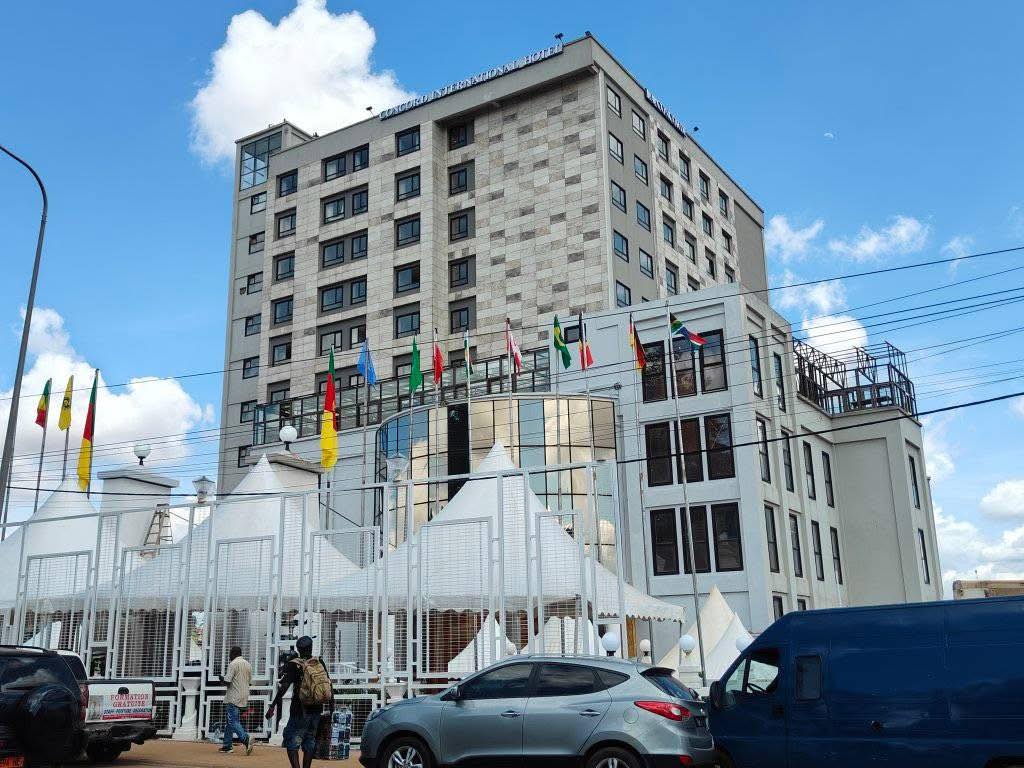
Concord International Hotel (CIH)
(LVDE) – This five-star establishment, built by the Mutual Association of Treasury Staff (Mutresor) at an estimated cost of CFAF 18 billion, aims to boost the country’s hotel and tourism sector. It was inaugurated on September 30, 2025, by Cameroon’s Prime Minister, Joseph Dion Ngute.
Cameroon’s hospitality sector reached a new milestone with the inauguration of the Concord International Hotel (CIH) on September 30, 2025. The ceremony, presided over by Prime Minister Joseph Dion Ngute, marked the arrival of a luxury hotel that seeks to redefine the tourism experience in the capital. With a total cost of CFAF 18 billion, the project was largely funded by Mutresor, an organization of nearly 4,000 members, including public servants, retirees, and contractors.
The CIH stands out with its 119 rooms and suites, including 72 executive units, 16 standard rooms, two presidential suites, and facilities adapted for people with reduced mobility. Guests can also enjoy a variety of amenities, ranging from two restaurants and a snack bar to a spa, an indoor pool, a nightclub, and a casino. Two floors are dedicated to conference facilities, enhancing the hotel’s appeal for business travel.
This opening comes at a time when Yaoundé’s hotel landscape is rapidly diversifying. Prestigious establishments such as the Hilton and Mont Fébé are already well established, while ambitious new projects are emerging. Among them are the Radisson Serviced Apartment, expected to open in 2026 with 220 units, and Hôtel du Lac, a 30-story tower developed by Belgian firm IIDG. Other projects, such as Méridien, planned for the coming years, highlight an investment dynamic ranging from CFAF 50 to 90 billion. This intensifying competition in the luxury sector could redefine hospitality standards in Cameroon.
Mutresor is no stranger to such dynamics. This is not its first investment in real estate; it also owns the Cremincam microfinance institution and a commercial building in Yaoundé. Its move into hospitality reflects a broader ambition to transform mutual associations into significant economic players. Similarly, the National Mutual of Tax Staff (Mundi) has diversified its activities into commercial and hotel real estate, underscoring a growing trend of mutual organizations expanding their reach and playing a strategic role in the national economy.
The rise of mutual associations as economic actors illustrates a drive to generate wealth and strengthen their influence. By diversifying into sectors such as hospitality, they demonstrate their potential to contribute to the country’s economic development while creating new jobs and services.
This new establishment is therefore more than just a hotel; it embodies a renewed vision for Cameroon’s tourism sector and responds to the needs of a clientele seeking unique experiences and comfort. With the arrival of the Concord International Hotel, Cameroon is positioning itself to attract high-quality tourism while enhancing its image on the international stage. The future of the hotel sector looks promising, and CIH could well play a pivotal role in this transformation.
Raphael Mforlem
À propos de l'auteur








 Raphael Mforlem
 Amélie Yandal